



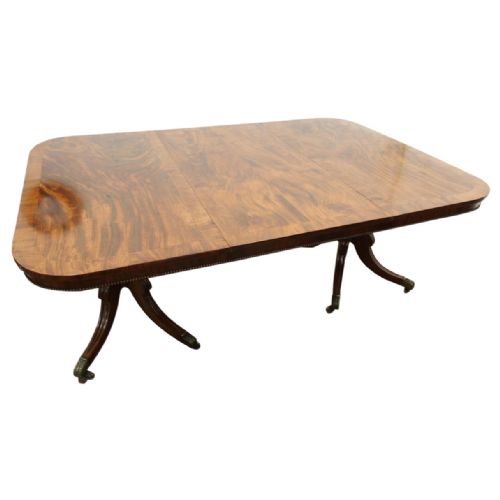


Georgian Wood Pillars
Georgian wood pillars bring classic British proportion and rich timber grain to interiors, offering sturdy support and historic elegance.
Georgian Wood Pillars
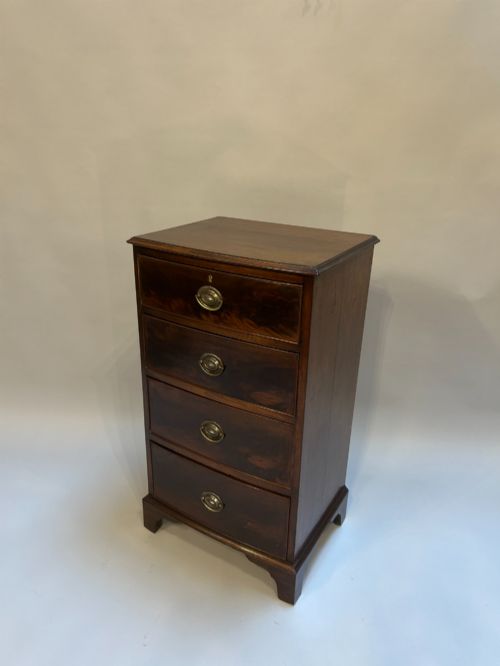
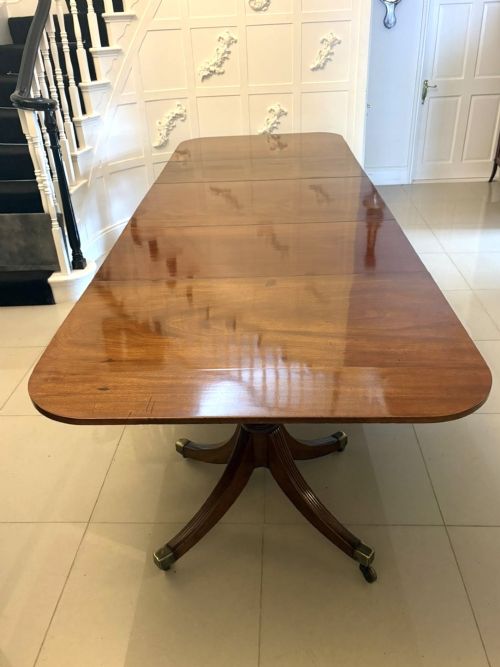
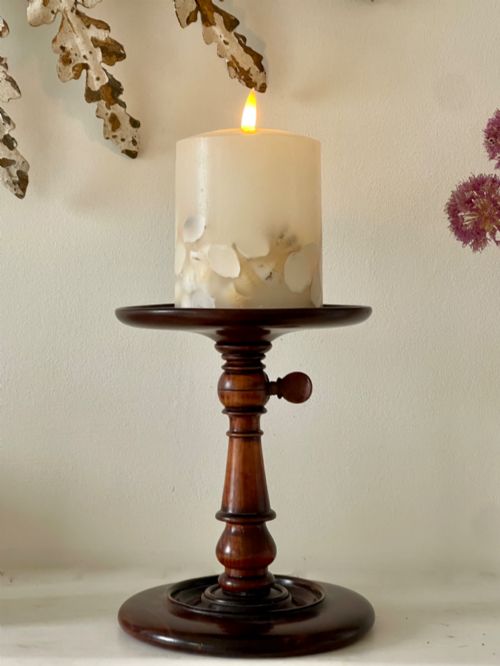
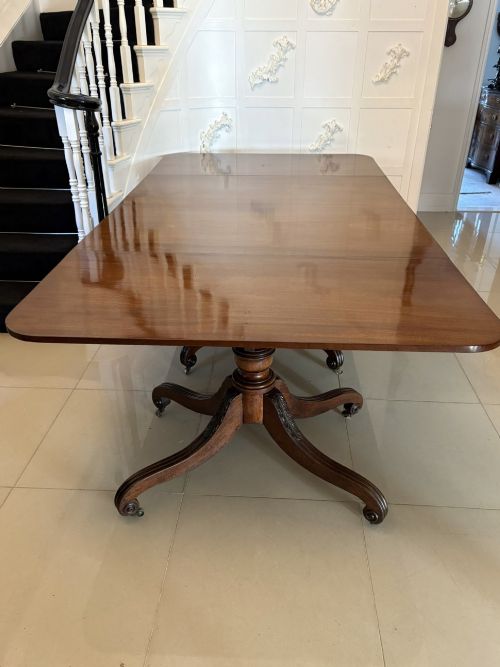
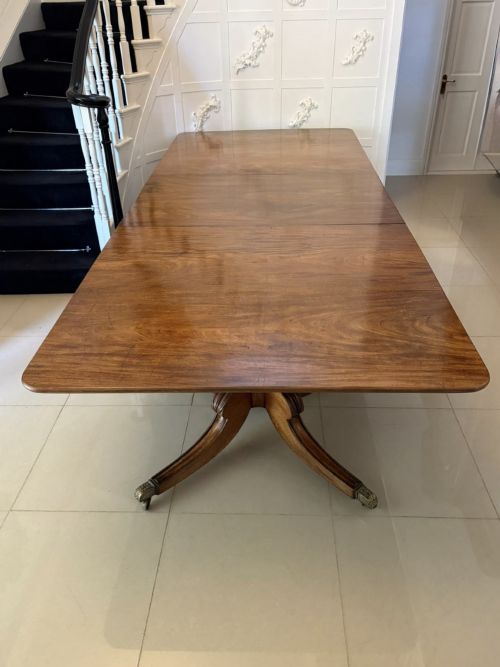
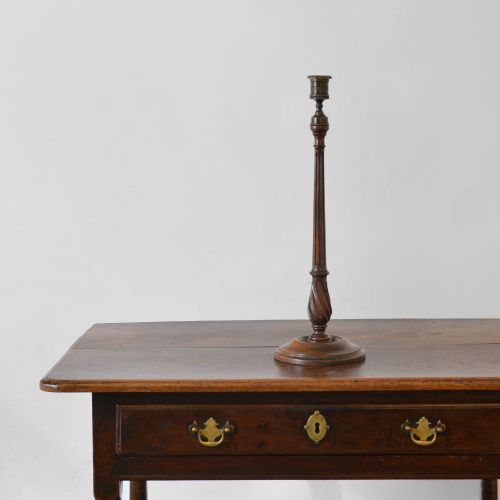
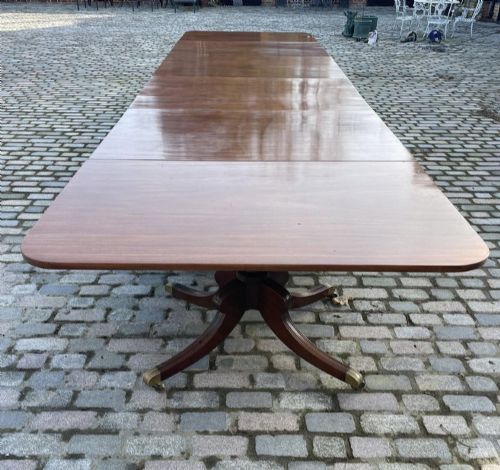
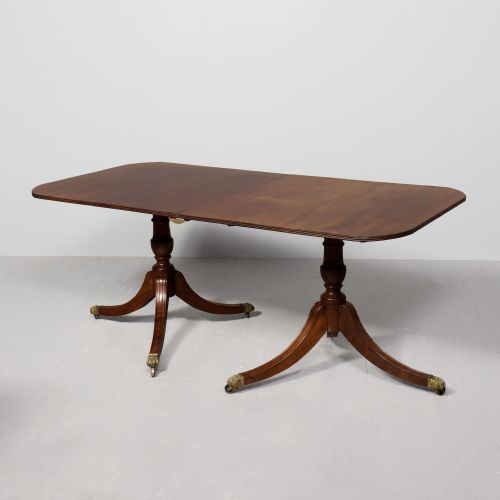
Georgian wood pillars primarily appear as structural supports on large dining tables, architectural salvage bed posts, and tall candlesticks. Buyers seeking georgian wood pillars encounter substantial dining tables with multiple pedestals alongside carved bed posts and candlesticks.
The material range leans heavily towards figured mahogany, supplemented by oak, Spanish mahogany, and occasional brass details. Pieces span the Georgian period, Regency era, George III and George IV reigns, alongside later reproductions from the 1920s.
Forms vary from twin-pillar and three-pillar dining tables to single candlesticks and matched pairs of bedposts. Most pieces demonstrate the classic architectural vocabulary of the period through turned shafts and solid timber construction.
Materials and construction methods
Makers utilised dense timbers such as mahogany and oak, selecting figured boards for prominent surfaces. Timber preparation relied on traditional sawing methods to yield stable sections for turning and carving.
Turning on a lathe shaped the cylindrical profiles of pillars and bedposts, while joinery secured pedestals to table tops and bases. Brass sconces and fittings supplemented the woodwork on candlesticks and table mechanisms.
Georgian Wood Pillars Retail Price Guide 2026
Typical asking prices for georgian wood pillars among the pieces listed under this phrase on Sellingantiques today, from the lower quarter to the upper quarter. They describe what is for sale here now, not the wider market.
Some dining tables stretch to accommodate twenty-eight guests, requiring six stout pillars to bear the feast.
Assessing quality in pillars and pedestals
Quality rests upon the selection of timber grain, particularly the depth of figuring in the mahogany used for pillars and table tops. Superior examples display careful timber matching across multiple pedestals and leaves.
Execution of the turning and carving marks the division between standard production and exceptional craftsmanship. Crisp mouldings and well-proportioned vase or column turns indicate skilled hand-working rather than mechanical duplication.
William Trotter
The Georgian Wood Pillars Glossary
- Pedestal
- A vertical support or pillar carrying a table top or architectural weight. These structures often feature turned columns resting on reeded or sabre legs.
- Figured mahogany
- Timber showing complex, decorative grain patterns such as flame or fiddleback. Cabinet makers prized this wood for visible table tops and pillar surfaces.
- Sconce
- A metal holder securing a candle atop a wooden candlestick shaft. Brass components frequently provide this functional contrast to the turned timber.
- Architectural salvage
- Elements rescued from older buildings for reuse in interior schemes. Items such as bed posts originate from this category.
- Reign style
- Design characteristics associated with a specific monarch's rule, such as George III or William IV. These classifications help date the aesthetic of the woodwork.
Georgian Wood Pillars: Frequently Asked Questions
How do I date a wood pillar?
Dating relies on examining the timber species, turning profile, and construction methods visible beneath the piece. Earlier eighteenth-century examples often feature heavier proportions and solid oak or early mahogany stocks.
Later Regency and George IV items typically display sharper reeding, brass accents, and refined classical proportions. Twentieth-century reproductions generally reveal more uniform machine tooling and lighter interior construction.
How do I care for mahogany pillars?
Mahogany pillars require stable indoor humidity and protection from direct sunlight to prevent timber shrinkage and fading. Dusting with a dry lint-free cloth maintains the surface without stripping historical wax finishes.
Avoid placing wooden items near direct heat sources or damp environments. Occasional application of quality beeswax feeds the grain and preserves the patina.
What timber was used for pillars?
Mahogany stands as the dominant timber for these pillars, sourced from colonial trade routes and valued for its stability and rich colour. Oak also appears in earlier or secondary structural components.
Makers occasionally specified Spanish mahogany for premium commissions due to its superior density and deep figuring. Brass hardware frequently complemented the timber work on candlesticks and table mechanisms.