

Georgian Wood Furniture
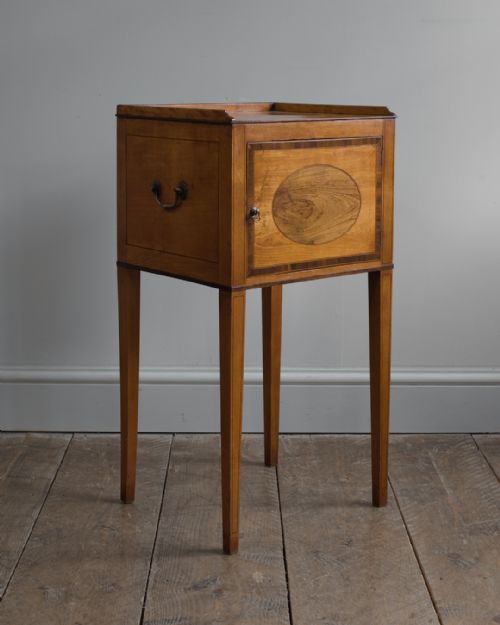
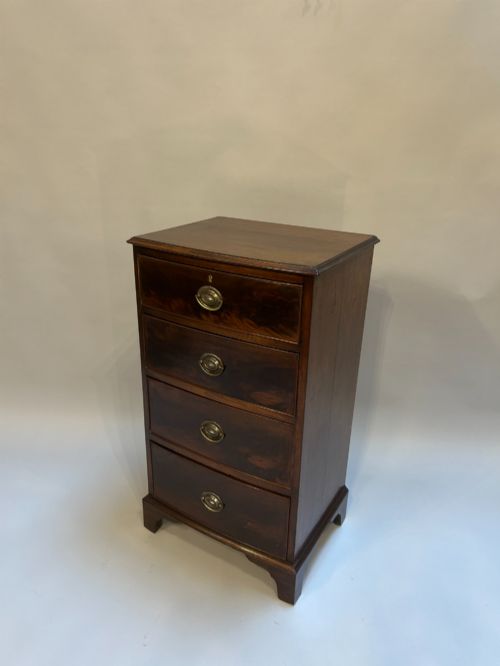
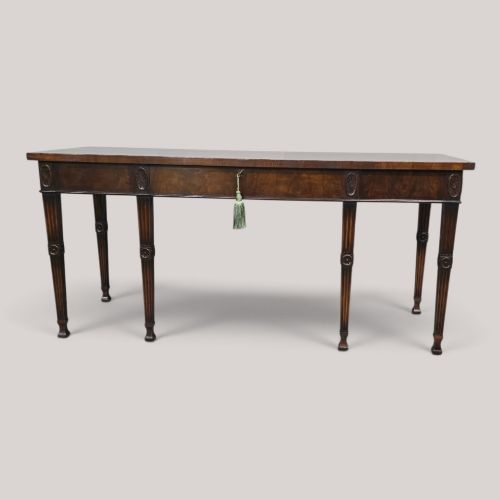
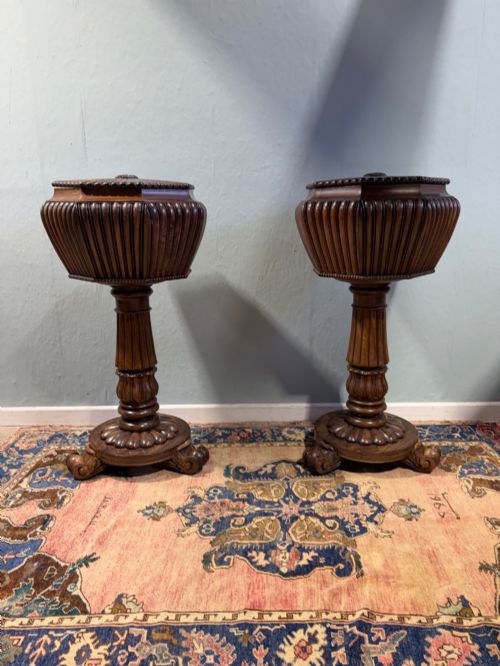
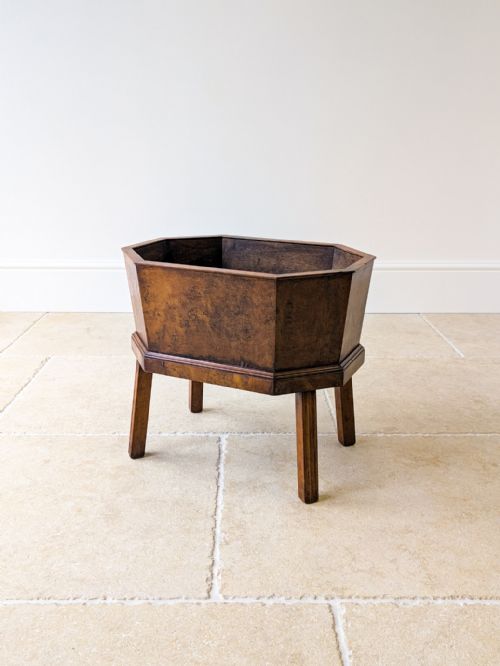
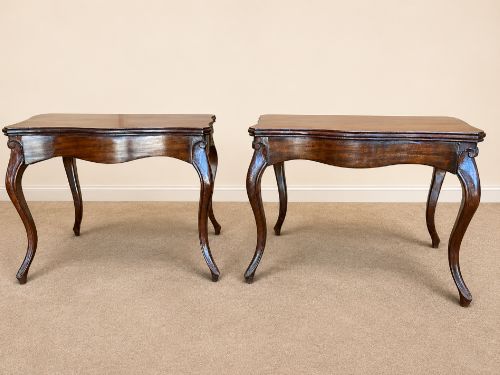
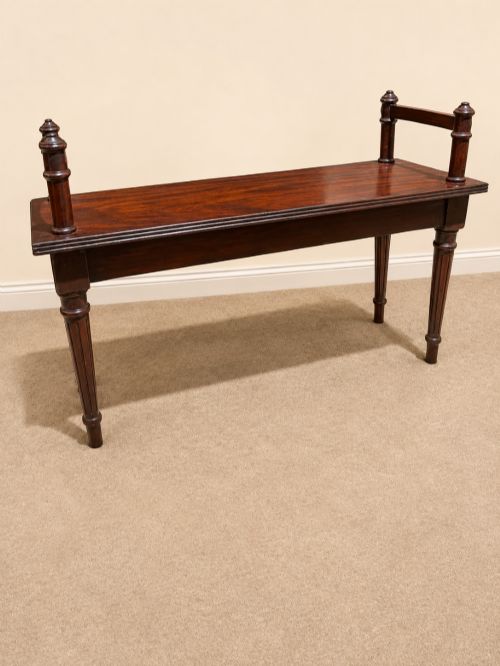
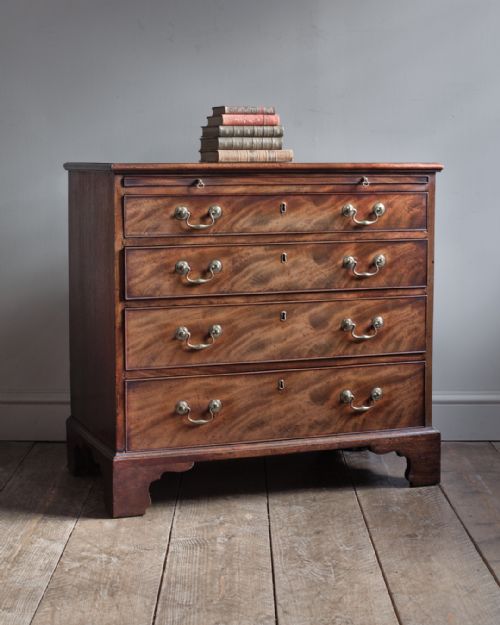
Georgian wood furniture brings together practical forms like chests of drawers and side tables shaped from timber during the eighteenth and nineteenth centuries.
Georgian Wood Furniture
Georgian wood furniture covers domestic pieces produced across the eighteenth and nineteenth centuries, spanning distinct reigns and later revival periods. Buyers searching for georgian wood furniture encounter utilitarian storage items alongside refined surface tables and seating forms.
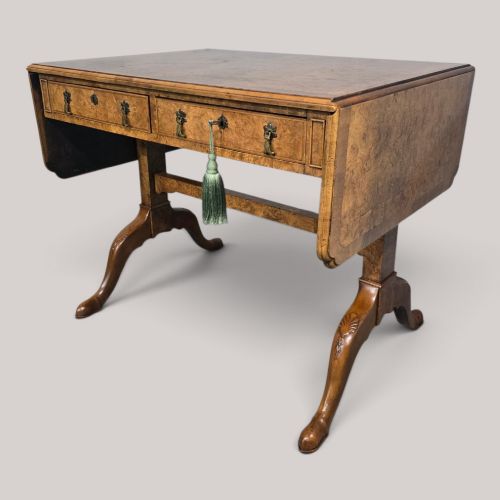
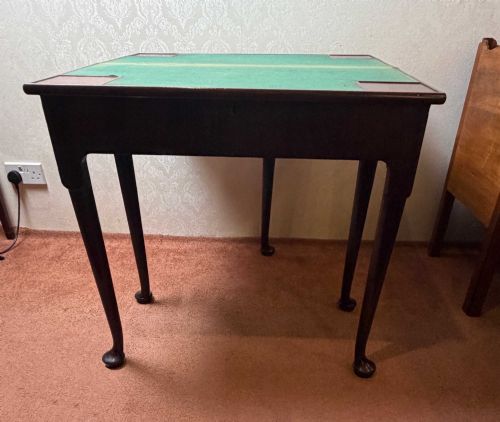
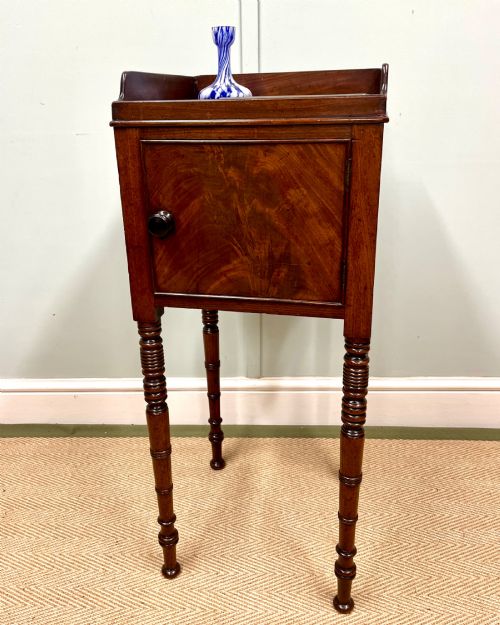
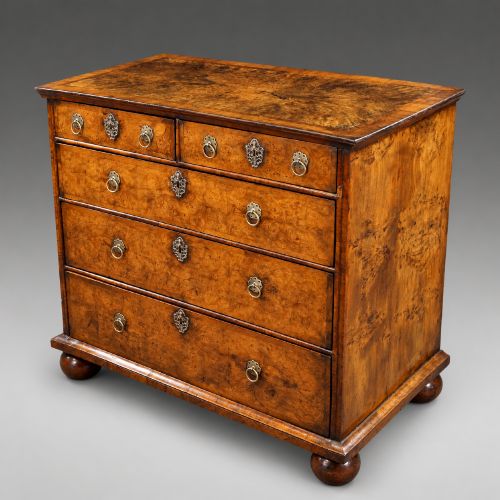
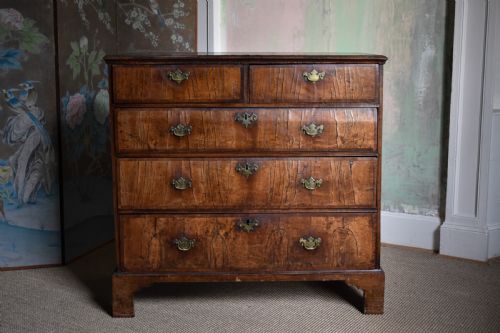
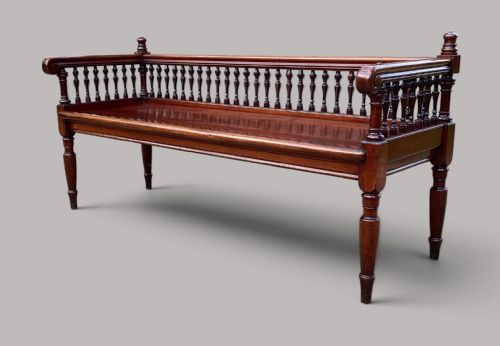
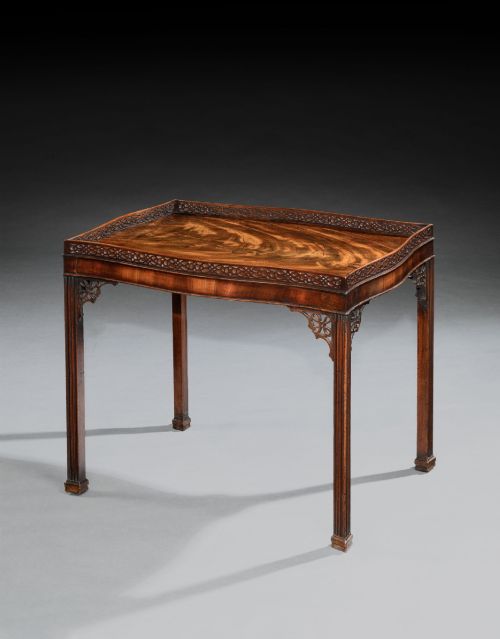
The pieces listed here appear in forms ranging from tall chests on chests and lowboys to card tables, bookcases, and Windsor armchairs. While many date directly to the Georgian era or Regency period, later nineteenth-century iterations and twentieth-century revivals also populate the selection.
Materials and construction methods
Cabinet makers utilised a range of native and imported timbers, predominantly mahogany, oak, walnut, yew, and elm, often accented with boxwood stringing or brass hardware. Solid construction techniques dominated early workshops, though decorative veneers like burr walnut and burr yew appeared on refined surfaces.
Joinery methods involved traditional methods such as dovetailing for drawer construction and pegged mortise and tenon joints for structural frames. Secondary timbers like ash frequently supported internal partitions or drawer linings within these items.
Georgian Wood Furniture Retail Price Guide 2026
Typical asking prices for georgian wood furniture among the pieces listed under this phrase on Sellingantiques today, from the lower quarter to the upper quarter. They describe what is for sale here now, not the wider market.
Factors determining quality
Quality separates pieces by the selection of timber grain, the crispness of carved details, and the integrity of original surface patination. Timber choice dictates much of the distinction, where richly figured mahogany or burr yew elevates an object above plain domestic alternatives.
Gillows
The Georgian Wood Furniture Glossary
- Brushing slide
- A pull-out wooden shelf positioned above drawers, traditionally used for folding clothes or preparing tea.
- Chest on chest
- A tall storage unit comprising one chest stacked directly on top of another, also known as a tallboy.
- Lowboy
- A small side table fitted with one or more rows of drawers, commonly used as a dressing or writing surface.
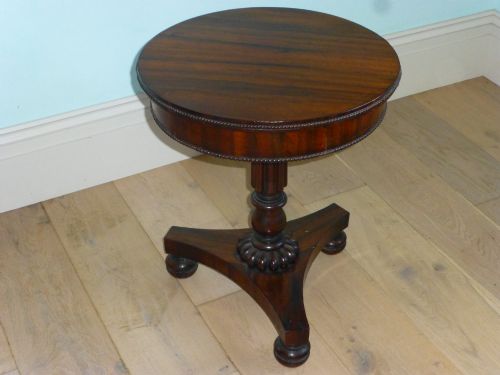
- Cricket table
- A small, lightweight round table supported by three splayed legs, historically designed for uneven floors.
Georgian Wood Furniture: Frequently Asked Questions
What defines Georgian wood furniture?
These items comprise domestic furnishings produced during the reigns of the Georges and the subsequent Regency era, alongside later revival pieces. They focus on functional household forms built from timber.
Cabinet makers produced items ranging from storage chests and lowboys to dining tables and corner cabinets. The aesthetic balances classical proportion with practical utility.
How were lowboys used historically?
Lowboys served as versatile small tables in bedrooms or parlours for grooming, writing, or holding small personal items. Their compact footprint allowed placement in tight domestic spaces.
Drawers built into the apron provided secure storage for documents or cosmetic accessories. They functioned as precursors to larger dressing tables.
How do I identify a revival piece?
Revival items mimic earlier eighteenth-century designs but date to later periods like the early twentieth century. Construction details and secondary woods often reveal the actual date of manufacture.
Labels such as Georgian style or dates from the 1910s and 1920s indicate later interpretations. These pieces adopted historical aesthetics for twentieth-century homes.
What timbers appear most often?
Mahogany forms the majority of surviving examples, prized for its strength and rich reddish tone. Oak, walnut, yew, and elm also appear frequently in regional and vernacular furniture.
Makers often combined primary display timbers with secondary woods like ash or pine for internal elements. Decorative veneers added pattern to drawer fronts and tabletops.