
Georgian Vanity
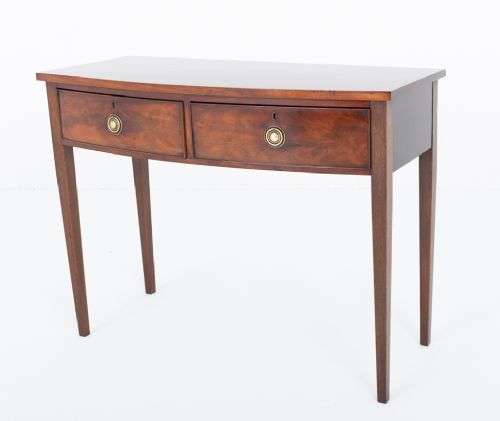
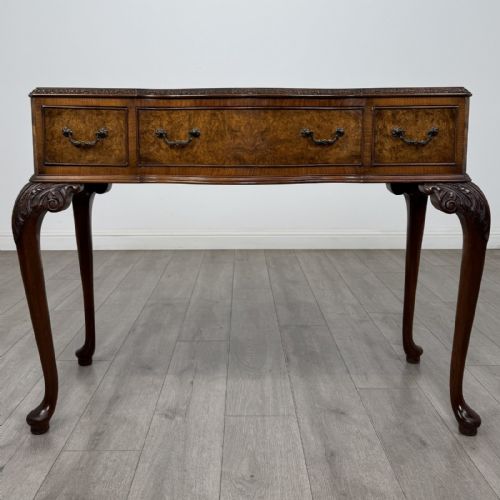
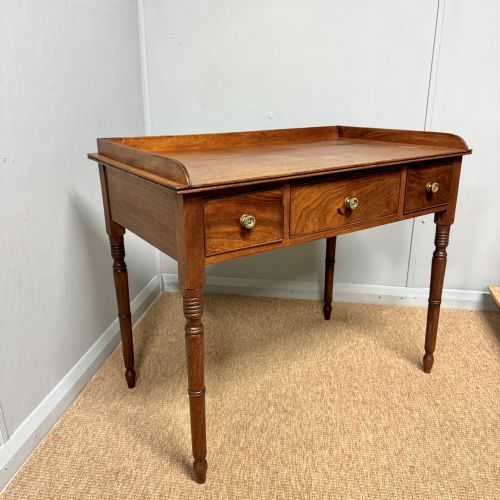
When you look for a georgian vanity, you are hunting for timber dressing tables, lowboys, and swing mirrors designed for the daily toilette.
Georgian Vanity
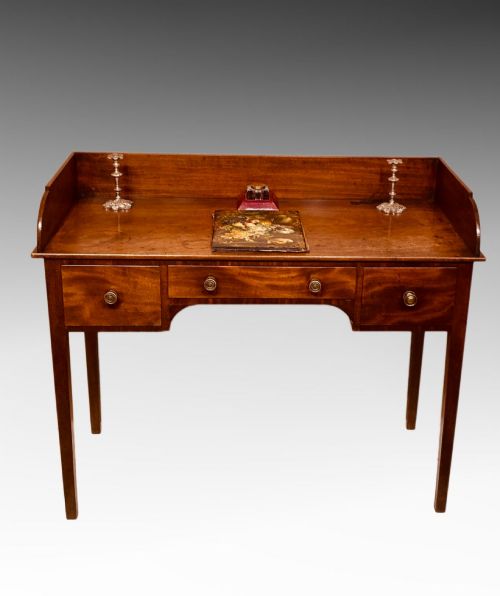
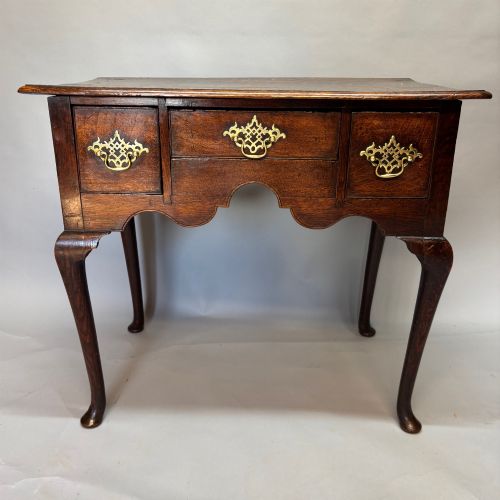
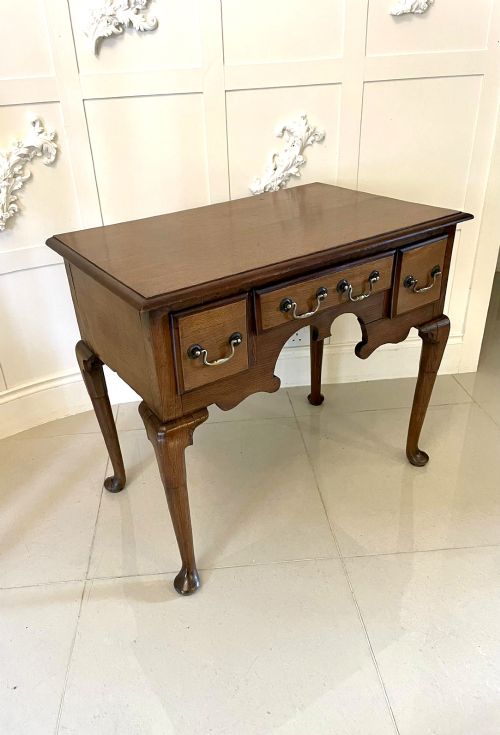
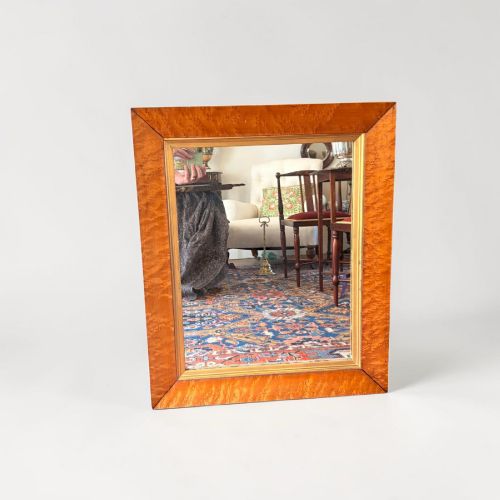
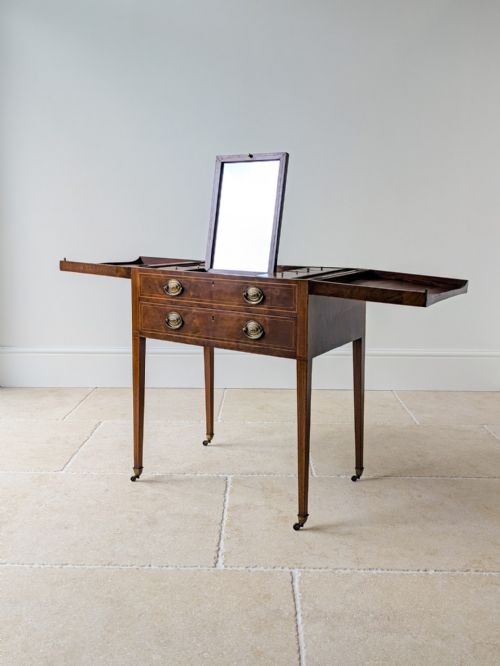
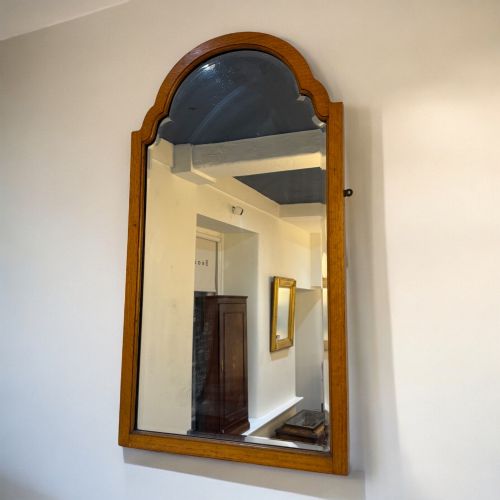
A georgian vanity primarily takes the form of dressing tables, lowboys, and dressing mirrors created across the eighteenth century and into the Regency period. These pieces served personal grooming needs in bedchambers, offering surface space for washbasins, cosmetics, and small drawers for accessories.
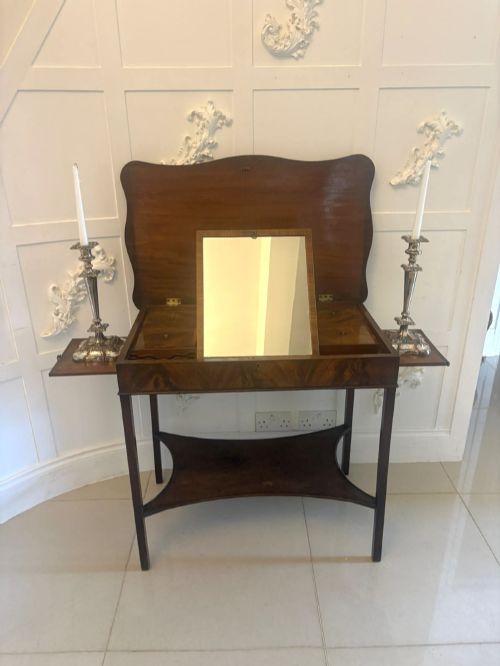
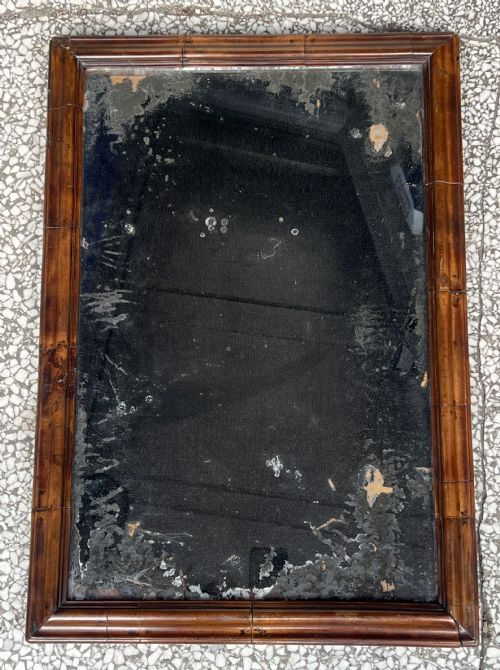
The most common survivors on this page are mahogany dressing tables, oak lowboys, and mahogany swing mirrors resting on box bases. Lowboys function as small side tables with drawers, frequently utilised for dressing, while folding tables conceal compartments and mirrors beneath hinged tops.
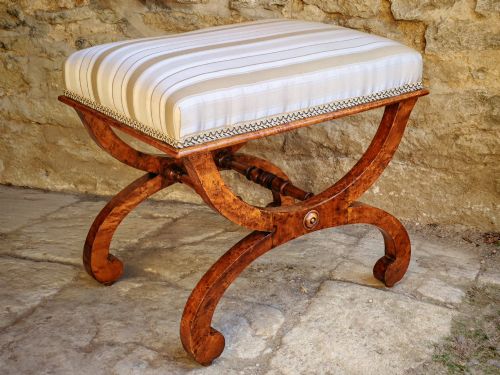
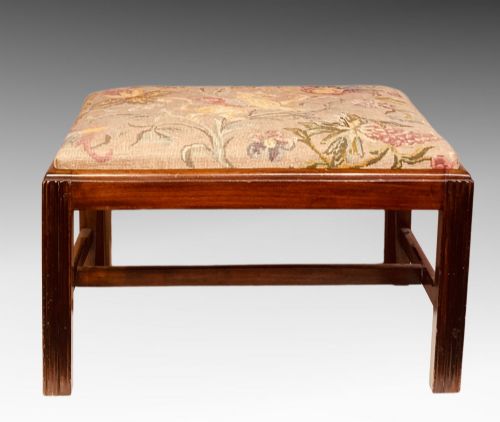
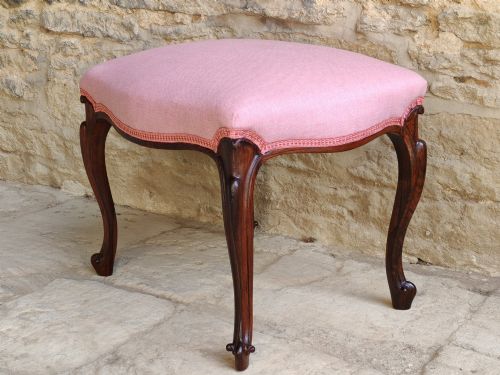
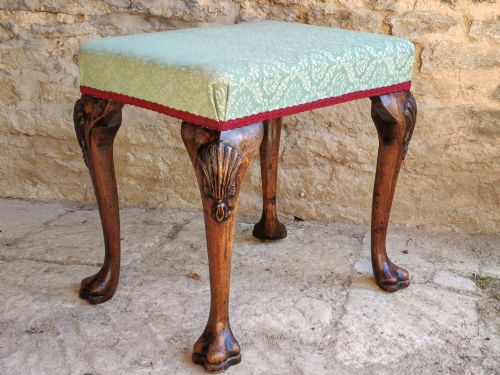
Makers produced these forms in mahogany, oak, and walnut, sometimes incorporating intricate herringbone inlay or crossbanding. Alongside tables and lowboys, related seating appears in the form of walnut, mahogany, and rosewood stools with upholstered seats.
Materials and construction
Cabinetmakers relied heavily on mahogany, oak, and walnut as structural timbers, often selecting figured veneers such as burr walnut and birds eye maple for visual impact. Timber selection governed the weight and colour of each piece, ranging from the dark reddish-brown of Cuban mahogany to the warm grain of brown oak.
Joinery techniques included dovetailing for drawer construction and mortise and tenon joints for frames and legs. Swing mirrors required pivoting brass hardware to tilt the glass smoothly between upright supports.
Secondary woods like pine or oak frequently lined drawer interiors, while specialised additions like tortoiseshell and sterling silver appeared on smaller tabletop trinket boxes.
Some folding dressing tables conceal clever internal compartments designed to hide pots of rouge and powder from prying eyes.
Markers of quality
Quality rests upon the selection of timber and the precision of the cabinetmaker's joinery rather than ornamentation alone. Superior pieces exhibit tight, hand-cut dovetails, straight-grained primary timbers, and carefully matched veneers that wrap cleanly around corners.
Hardware integrity separates better examples from standard ones, particularly the presence of original brass swing-mirror arms, escutcheons, and pulls. Altered mirror plates or replaced drawer handles diminish authenticity, whereas crisp carving on legs and mirror frames indicates a higher workshop standard.
The Georgian Vanity Glossary
- Lowboy
- A small oak or walnut table featuring one or more rows of drawers, commonly used as a dressing table in the eighteenth century. These low-standing tables provide surface storage without the height of a full bureau.
- Swing Mirror
- A table-top mirror mounted on vertical pivots between two upright posts, allowing the glass to tilt. They typically sit atop a small box base fitted with miniature drawers.
- Kneehole Desk
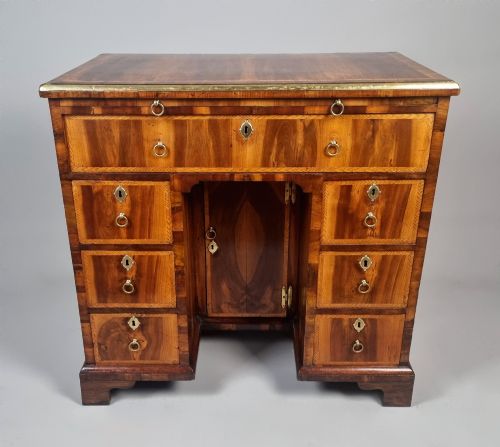
- A compact desk or dressing table featuring a central recess for the user's knees, flanked by pedestals of small drawers. They offer structured storage within a modest footprint.
- Gallery
- A raised wooden border running along the edge of a table top to prevent items from rolling off. In dressing furniture, three-quarter galleries often secure washbasins or bottles.
- Herringbone Inlay
- A decorative banding made of small veneer segments laid in a V-shaped zig-zag pattern. Cabinetmakers used it to frame drawer fronts and table tops on walnut and mahogany pieces.
Georgian Vanity: Frequently Asked Questions
What is a lowboy used for?
A lowboy functions as a small table with drawers, originally placed in bedchambers for personal grooming and storage. Eighteenth-century households utilised them as dressing tables or general side tables.
Over time, these versatile pieces moved into reception rooms and hallways as decorative stands. Their compact proportions make them practical for modern spaces requiring surface space and discreet drawer storage.
How do I date a dressing mirror?
Dating relies on the construction of the frame, the thickness of the mirror glass, and the shape of the supporting base. Eighteenth-century mirrors often feature ogee feet and hand-bevelled glass secured with wooden pegs.
Later nineteenth-century and revival examples display machine-sawn timber, heavier brass hardware, and different secondary woods in the base construction. Examining the backboards and screw types helps confirm the period.
What timber was most popular?
Mahogany dominated cabinetmaking through much of the Georgian period, prized for its strength, rich colour, and ability to take fine carved detail. Walnut and oak appear frequently in earlier pieces from the early eighteenth century.
Cabinetmakers also employed exotic veneers like burr walnut, burr maple, and rosewood for decorative impact on drawer fronts and surfaces. Secondary woods such as pine and oak were standard for drawer linings and internal framing.
Are these pieces suitable for daily use?
Georgian dressing tables and lowboys handle everyday tasks well when treated with standard care for antique furniture. Their sturdy timber construction and functional drawer layouts suit modern bedrooms and home offices.
Placing them away from direct heat sources and using coasters protects the polished wood and historical finishes. The durable joinery ensures they remain functional pieces of furniture.