



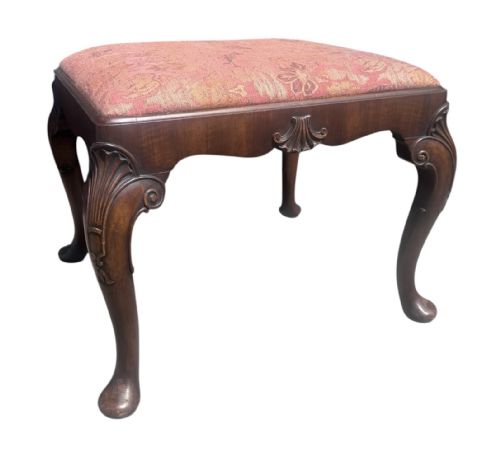

Georgian Vanity Stool
A georgian vanity stool offers compact, elegant seating crafted in rich timber and tailored upholstery.
Georgian Vanity Stool
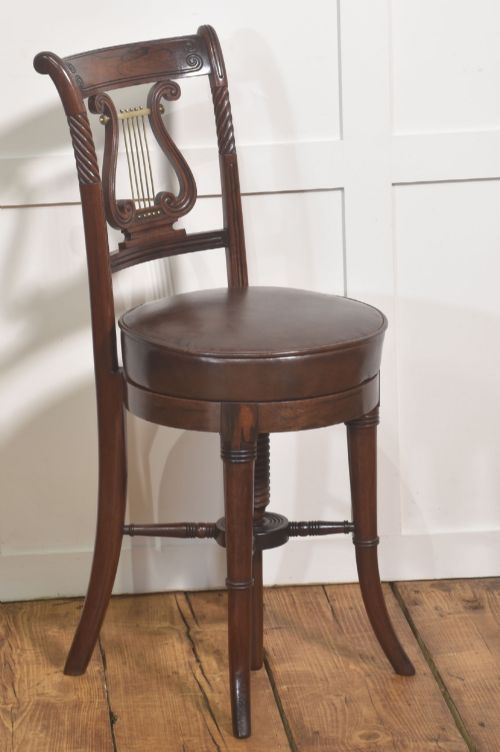
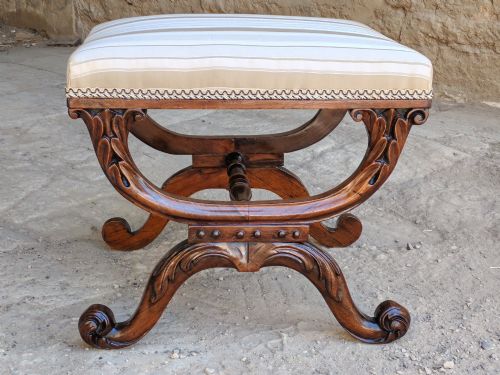
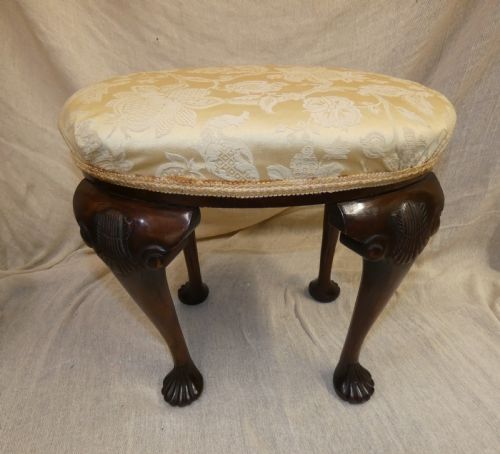
When searching for a georgian vanity stool, buyers encounter compact seating forms designed for dressing rooms and parlours. These include dressing stools, piano stools, footstools, and dressing table chairs originating from various historical periods.
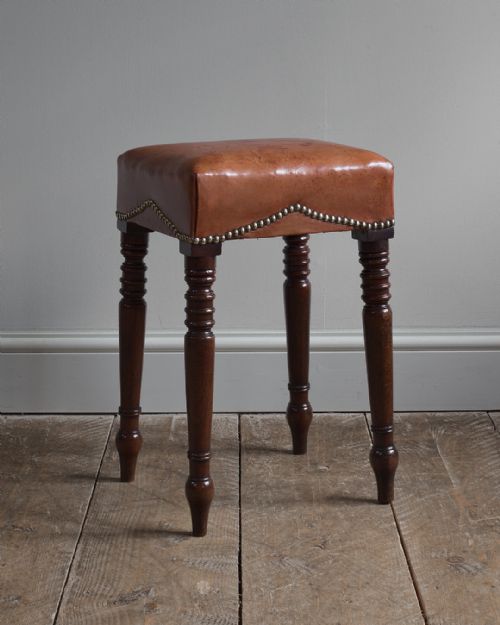
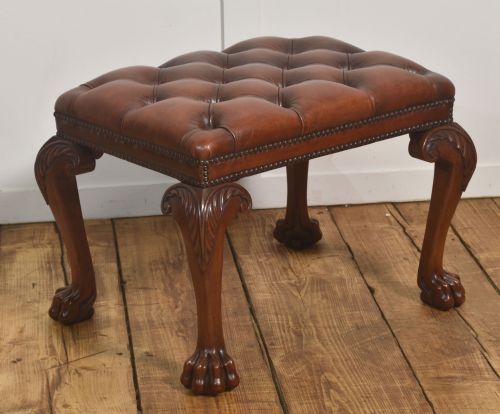
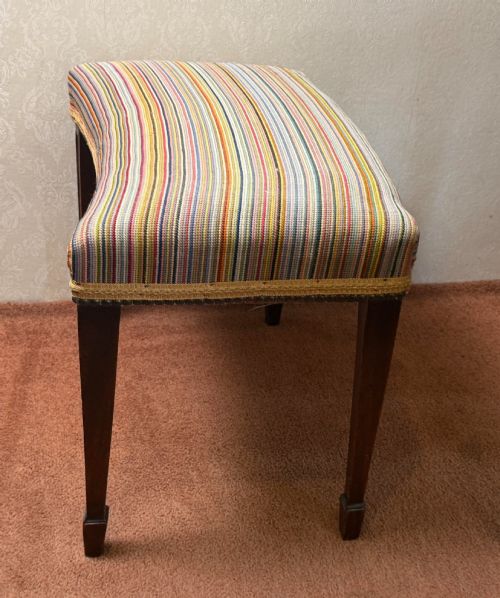
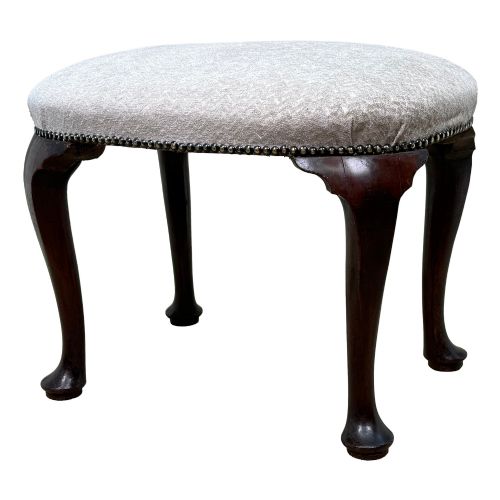
The pieces on this page span the eighteenth century, the Regency era, and later revival periods like Chippendale Style and Queen Anne Style. Mahogany and walnut frames dominate the selection, often accompanied by rosewood and burr maple examples.
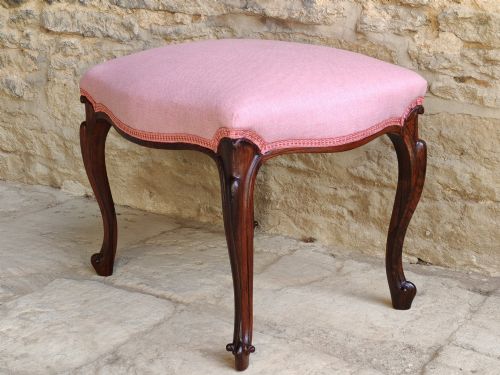
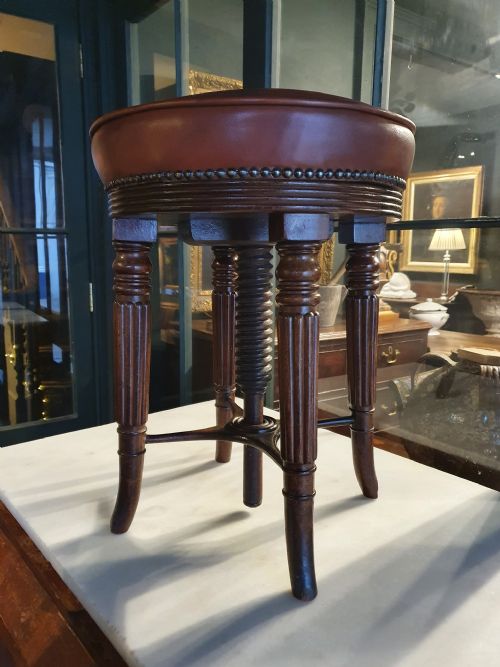
Forms vary from simple square shapes and serpentine outlines to adjustable seats and revolving mechanisms. Upholstery choices range from plain leather and velvet to tapestry, needlepoint, and chenille.
How they were made
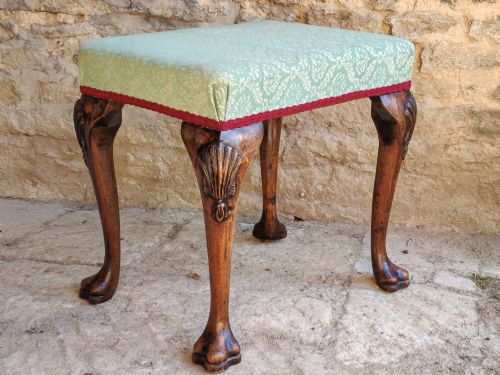
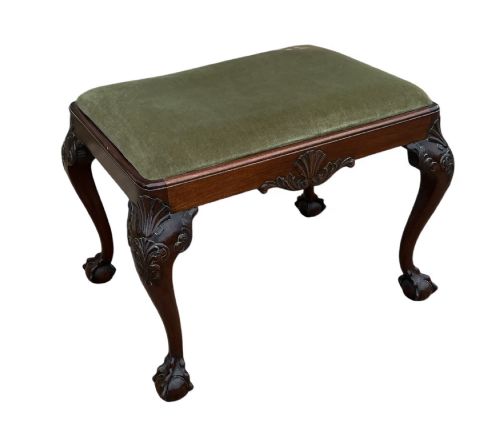
Cabinet makers built these frames using dense hardwoods like mahogany and walnut, shaping cabriole legs, square tapering legs, or turned supports. Joinery techniques ensured sturdy construction for frequent domestic use at dressing tables and pianos.
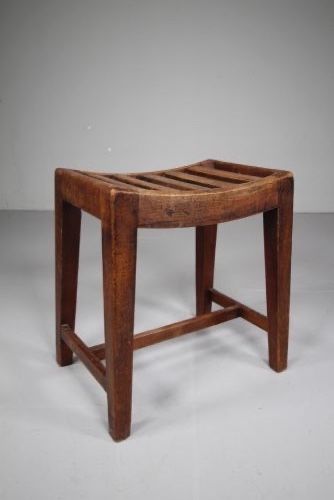
Upholstered seats utilised supportive foundations layered with textiles such as velvet, leather, tapestry, and needlepoint. Decorative details included shaped and slatted rails, carved mahogany, and simulated rosewood finishes.
Georgian Vanity Stool Retail Price Guide 2026
Typical asking prices for georgian vanity stool among the pieces listed under this phrase on Sellingantiques today, from the lower quarter to the upper quarter. They describe what is for sale here now, not the wider market.
Some industrious makers fitted these seats with clever revolving mechanisms so musicians could spin in place between movements.
What varies in quality
The refinement of the timber carving and the elegance of the frame proportions define the standard of execution. Pieces featuring well-drawn serpentine shapes, burr maple veneers, or sophisticated turning demonstrate superior workshop capability.
The integrity of the original timber and the quality of the chosen upholstery materials distinguish finer examples from standard production. Intricately worked needlepoint and period textiles contribute significantly to the character of the seating.
Gillows
The Georgian Vanity Stool Glossary
- Cabriole leg
- A furniture leg that curves outward at the knee and tapers inward to an ankle. This classical shape appears frequently on eighteenth-century walnut and mahogany frames.
- Serpentine shape
- A line or edge that curves inward centrally and outward at the ends in a gentle wave. Cabinet makers applied this contour to seat rails for visual fluidity.
- Needlepoint
- Hand-stitched embroidery executed on canvas mesh using wool or silk threads. Such traditional work often forms the original seat covering on period stools.
- Simulated rosewood
- A painted or stained surface treatment applied to a secondary timber to imitate the rich grain and colour of genuine rosewood. This technique was popular during the Regency period.
- Slatted
- Constructed with narrow strips of wood arranged in an open pattern. This method added ventilation and visual lightness to dressing stool frames.
Georgian Vanity Stool: Frequently Asked Questions
What is a georgian vanity stool used for?
These pieces served primarily as seat furniture in dressing rooms, boudoirs, and music rooms. They accommodated individuals sitting at dressing tables or playing keyboard instruments.
Their compact scale allowed them to slide neatly beneath furniture when not in use.
How do I identify a period piece?
Examine the timber species, construction joints, and leg styles to gauge the era of manufacture. Eighteenth-century examples often feature walnut or early mahogany with hand-cut joinery.
Later revival pieces replicate these forms but utilise nineteenth- or twentieth-century manufacturing techniques.
What fabrics cover these seats?
Upholstery materials include leather, velvet, chenille, and woven tapestry. Many surviving examples retain period needlepoint or textile coverings.
Reupholstery is common to maintain usability while respecting historical styles.
Are piano stools adjustable?
Certain examples feature revolving mechanisms or mechanical height adjustment. These adaptations suited musicians requiring specific seating elevations.
Fixed-height dressing stools remain more common across the selection.