



Georgian Tobacco Accessories
Georgian tobacco accessories are small pocket and table containers for snuff, cigars, and pipes that bring tactile craft from the Georgian era into daily use.
Georgian Tobacco Accessories
When you search for georgian tobacco accessories, you encounter personal containers and smoking equipment designed for tobacco use across the Georgian period and into the mid nineteenth century. The selection centres on snuff boxes, alongside cigar cases, pipe stands, and small related objects.
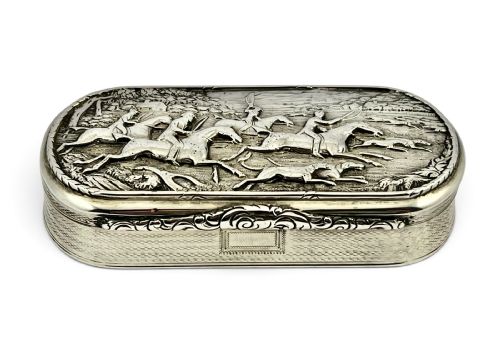
You are most likely to meet silver snuff boxes and tortoiseshell boxes, alongside brass vessels and wooden treen pieces. These items range from plain utilitarian pocket boxes to decorative table pieces adorned with crests or engine turning.
The objects bridge functional smoking habits and personal display, reflecting the social rituals of tobacco consumption in the eighteenth and nineteenth centuries.
How they were made
Metalsmiths shaped sterling silver and gold through casting, hammering, and engine turning to create textured patterns on cigar cases and table boxes. Silversmiths applied hallmarks and engraved armorial crests onto smooth metal surfaces.
Craftworkers shaped tortoiseshell and combined it with gold inlay or mounted it in metal hinges for pocket snuff boxes. Woodworkers turned mahogany and other timbers to produce coopered barrels, treen spoons, and pipe stands using traditional joinery and lathe work.
Georgian Tobacco Accessories Retail Price Guide 2026
Typical asking prices for georgian tobacco accessories among the pieces listed under this phrase on Sellingantiques today, from the lower quarter to the upper quarter. They describe what is for sale here now, not the wider market.
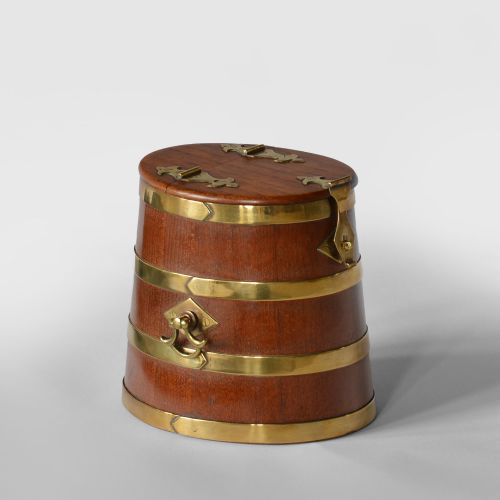
A miniature coopered naval rum barrel in brass-bound wood sits among the snuff boxes.
What varies in quality
The distinction between standard items and superior examples lies in the precision of the materials and the crispness of the decoration. Finer pieces display sharp engine-turned patterns, secure hinge mechanisms, and precious metals combined with tortoiseshell or agate.
Simpler objects rely on basic turned wood or plain brass without complex decoration, representing practical utility rather than high workshop execution.
Edward Edwards·Matthew Linwood·James Phipps I
The Georgian Tobacco Accessories Glossary
- Snuff box
- A small lidded container designed to hold powdered tobacco for nasal consumption. These pocket items appear in silver, tortoiseshell, and gold.
- Engine turned
- A mechanical decoration technique that cuts intricate geometric patterns into metal surfaces. This method creates textured lines across silver cigar cases and boxes.
- Treen
- Small handmade wooden domestic objects produced by turning or carving. This category includes snuff spoons and pipe stands made from timber.
- Navette shaped
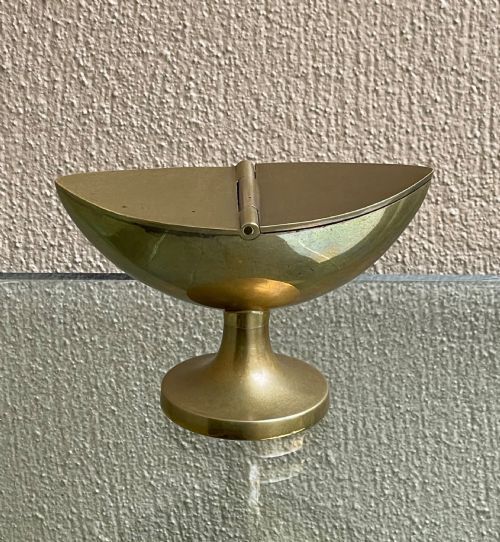
- A boat-like form with pointed ends and a tapered outline. This silhouette appears on brass table snuff boxes.
- Coopered
- Constructed from curved wooden staves bound together with metal bands. This technique forms miniature barrels used for storage.
Georgian Tobacco Accessories: Frequently Asked Questions
What are georgian tobacco accessories used for?
These items held tobacco products such as snuff, cigars, and clay pipes for personal consumption and social display. People carried pocket boxes for quick access or placed table boxes in reception rooms.
Today, collectors use them as decorative desk objects or small display pieces that retain their original mechanical function.
How do I identify a Georgian piece?
You identify pieces through hallmarks, construction methods, and materials characteristic of the eighteenth and early nineteenth centuries. Silver items often carry assay office marks and makers' stamps that date the metal.
Stylistic cues such as navette shapes, engine turning, and tortoiseshell inlay further align pieces with Georgian and George IV manufacturing periods.
Are these items made of solid silver?
Many boxes and cases use sterling silver or 18 carat gold throughout their construction. Hallmarks stamped into the metal confirm the precious metal standard and trace the London or provincial origin.
Other items combine precious metals with organic materials like tortoiseshell and agate, or utilise base metals such as brass.
How should I care for tortoiseshell and silver?
Keep tortoiseshell away from direct heat and strong sunlight to prevent warping and cracking of the organic material. Clean silver gently with appropriate soft cloths to preserve engraved details and engine-turned patterns without harsh abrasion.
Store pieces in stable humidity environments to protect both the metal hinges and the delicate wooden treen.