





Georgian Tea Spoon
When you seek a genuine georgian tea spoon, you enter a world of diminutive silver and delicate leaf bowls designed for the caddy.
Georgian Tea Spoon
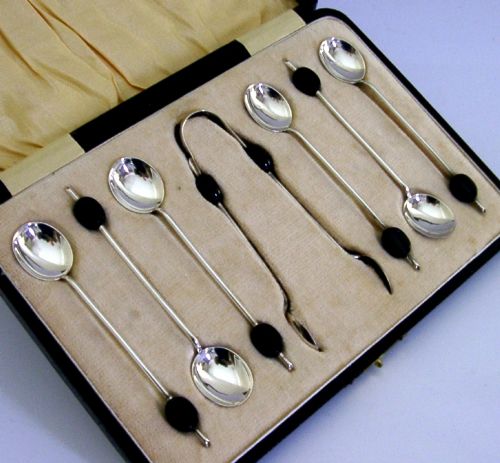
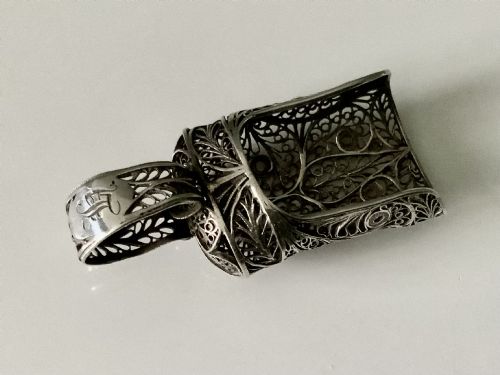
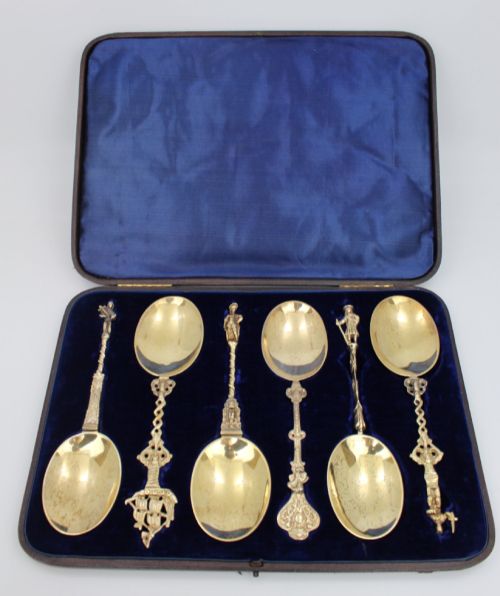
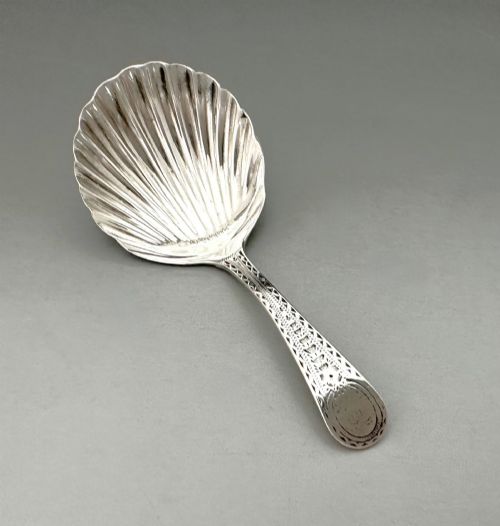
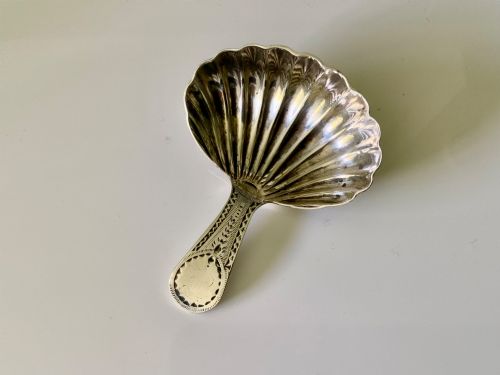
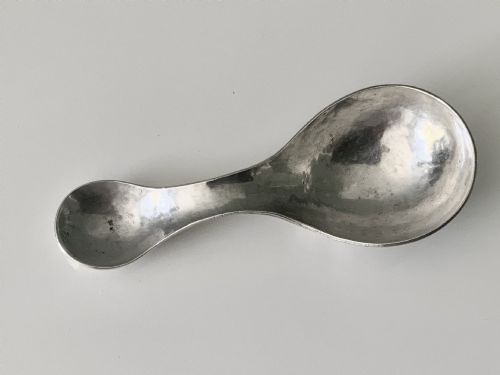
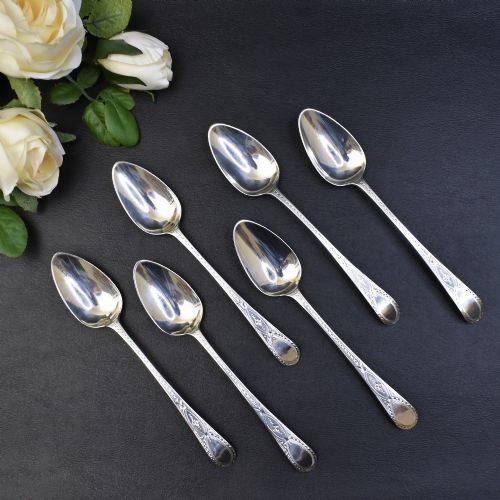
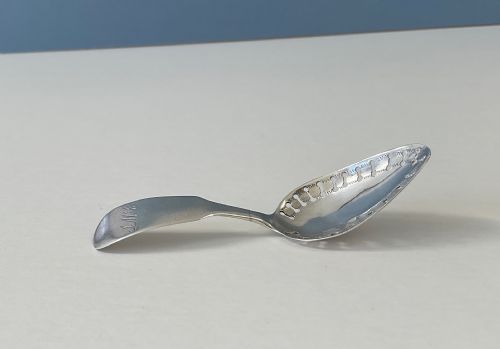
A georgian tea spoon encompasses several distinct forms designed for the tea table, ranging from standard teaspoons to specialised caddy spoons and perforated mote spoons used during the eighteenth and early nineteenth centuries. The listings frequently feature caddy spoons shaped as vine leaves, jockey caps, and simple shovels alongside matched sets of standard teaspoons.
Silver and Technique
Silversmiths employed sterling silver and parcel-gilt techniques to shape these spoons, often utilising hammering, casting, and piercing methods to create intricate bowls. Handles were frequently engraved with bright-cut patterns, or formed into naturalistic vine leaves and turned dyed green ivory.
Makers struck their pieces with hallmarks indicating the city of assay and the year of production, while fancy back designs featured decorative motifs stamped onto the reverse of the bowl. The combination of embossed scrolls, pierced decoration, and solid silver construction defines the manufacturing standards of the era.
Georgian Tea Spoon Retail Price Guide 2026
Typical asking prices for georgian tea spoon among the pieces listed under this phrase on Sellingantiques today, from the lower quarter to the upper quarter. They describe what is for sale here now, not the wider market.
Silversmiths occasionally shaped solid silver spoons to resemble tiny jockey caps, complete with peaks and quilted crowns.
Distinctions in Execution
Quality in a georgian tea spoon rests upon the crispness of the chasing, the weight of the silver in the bowl, and the articulation of cast details such as stems and handles. Superior examples display deep, legible hallmarks and precise hand-engraving that remains sharp across the surface.
Design ambition separates standard flatware from exceptional caddy spoons shaped as hands, caps, or natural foliage. The survival of original gilding and the integrity of delicate pierced work further distinguish the finer pieces within this category.
Joseph Willmore·Jeremiah Lee·George Wintle·Taylor and Perry·Bateman Family
The Georgian Tea Spoon Glossary
- Caddy Spoon
- A short spoon designed specifically for measuring loose tea leaves from a caddy. These pieces often feature decorative bowls shaped like shells, leaves, or shovels.
- Mote Spoon
- An eighteenth-century implement featuring a pierced bowl for straining tea leaves and a pointed stem used for clearing the spout of a teapot. They date from the early Georgian period.
- Bright-Cut
- A style of engraving executed with flat-bottomed angled cuts that reflect light like facets. It is commonly found on late eighteenth-century spoons and handles.
- Parcel-Gilt
- Silver objects that are partially gilded with a thin layer of gold, usually restricted to the interior of the bowl. This technique provides a contrast against the polished silver exterior.
- Fancy Back
- A teaspoon featuring decorative relief work stamped onto the reverse of the bowl. This fashionable eighteenth-century detail ornamented the underside of the piece.
Georgian Tea Spoon: Frequently Asked Questions
What is a caddy spoon used for?
A caddy spoon measured loose tea leaves from a caddy into the teapot during the eighteenth and nineteenth centuries. Their short handles allowed them to sit neatly inside or beside the tea storage vessel.
Because they were meant for handling dry leaves rather than stirring liquid, makers designed them with wide, shallow bowls and highly ornamental forms like shells and leaves.
How do you identify a mote spoon?
Mote spoons feature a perforated bowl used to strain loose leaves from the cup and a pointed terminal used as a pick. They belong to the earlier part of the Georgian era.
The presence of piercing on the bowl distinguishes them immediately from standard teaspoons of the same period.
Were these spoons made in sets?
Teaspoons were routinely produced in matched sets of six or twelve for household tea service. Caddy spoons and mote spoons were individual pieces made to serve a single function.
Finding a complete set of provincial teaspoons remains less common than encountering single caddy spoons.
What does bright-cut engraving look like?
Bright-cut engraving utilises faceted cuts made with a sharp graving tool to create geometric and floral patterns that catch the light. It was widely adopted during the late eighteenth century.
This technique gives a glittering appearance to the handle surfaces without removing excessive metal from the silver.