

Georgian Storage
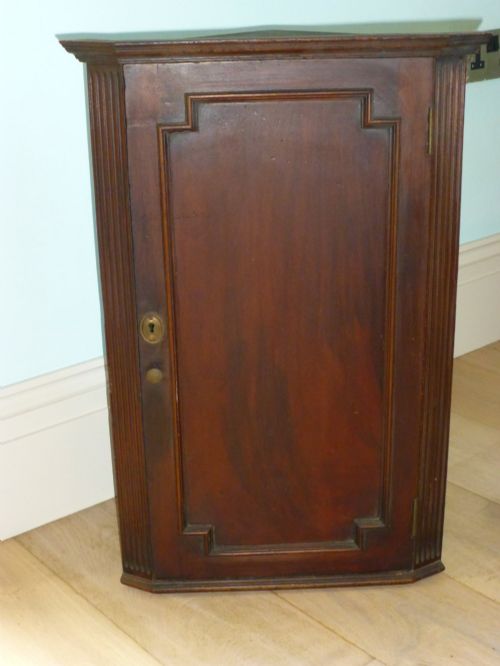
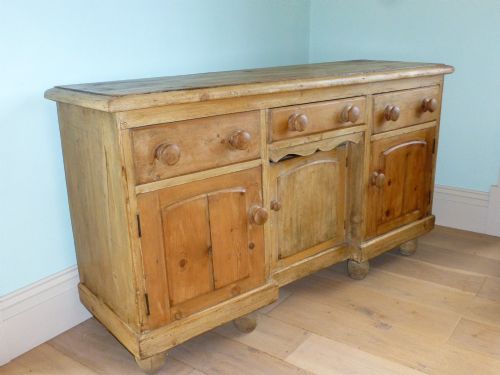
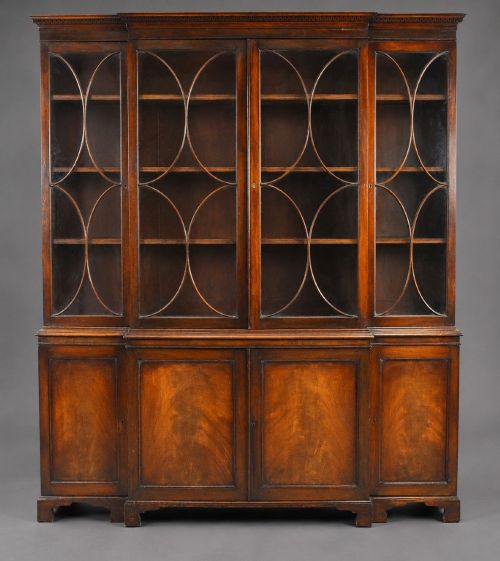
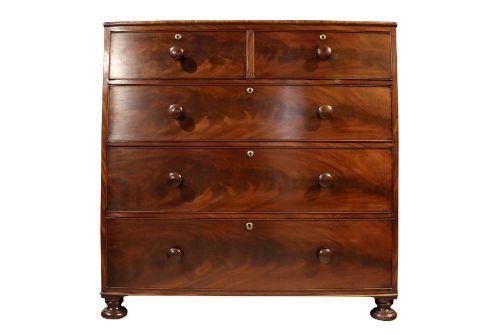
Georgian storage pieces are substantial domestic containers built in oak, mahogany, and walnut to organise household goods with architectural precision.
Georgian Storage
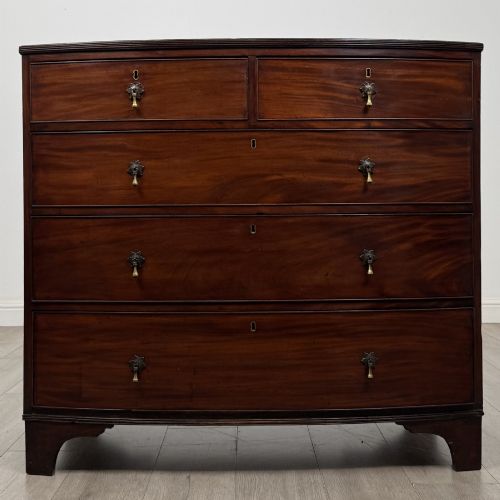
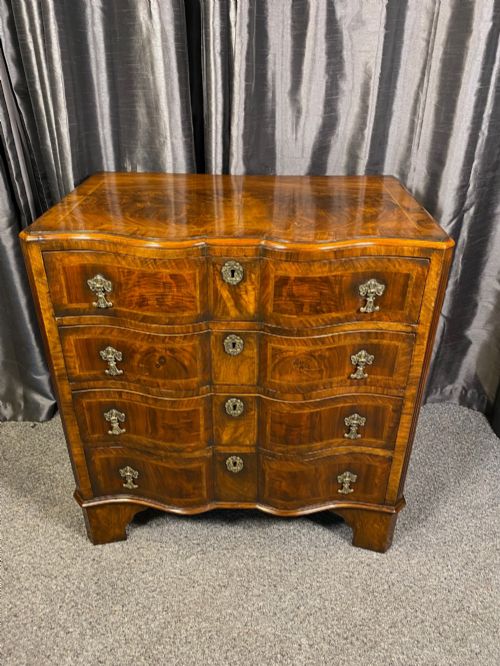
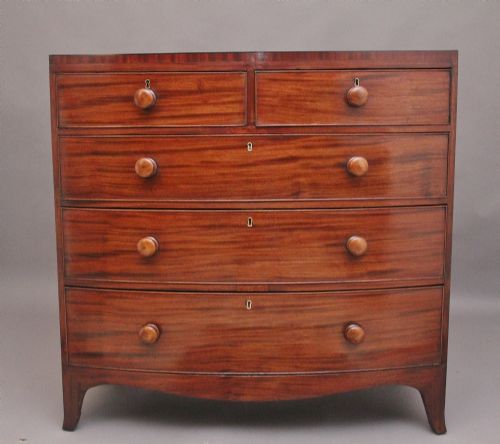
Buyers encounter distinct regional and stylistic variations, including early oak vernacular pieces and later Regency mahogany items with bow fronts or cross-banding. Revival pieces from the early twentieth century also appear, echoing the proportions of earlier centuries in burr walnut and mahogany.
Materials and Construction
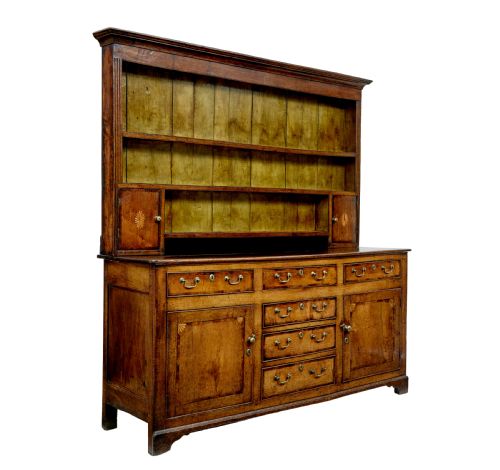
Cabinetmakers relied on primary timbers such as mahogany, oak, walnut, and elm, often pairing them with secondary woods like pine for internal partitions and drawer linings. Timber selection dictated the structural integrity and surface figure of each piece.
Joinery methods involved precise dovetailing for drawer construction and sturdy pegged framing for larger coffers and linen presses. Decorative elements relied on natural grain patterns, brass hardware, and occasional cross-banding rather than excessive carving.
Georgian Storage Retail Price Guide 2026
Typical asking prices for georgian storage among the pieces listed under this phrase on Sellingantiques today, from the lower quarter to the upper quarter. They describe what is for sale here now, not the wider market.
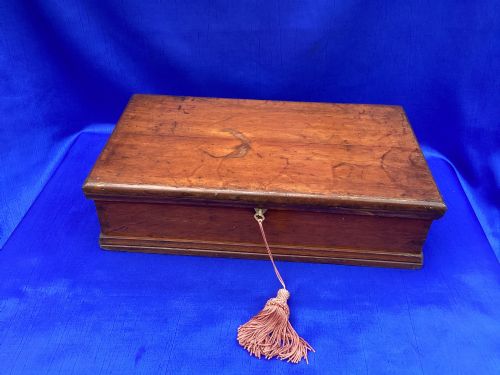
Several tea caddies require a key to open, maintaining a two-century-old tradition of locking away the tea leaves.
Quality and Proportion
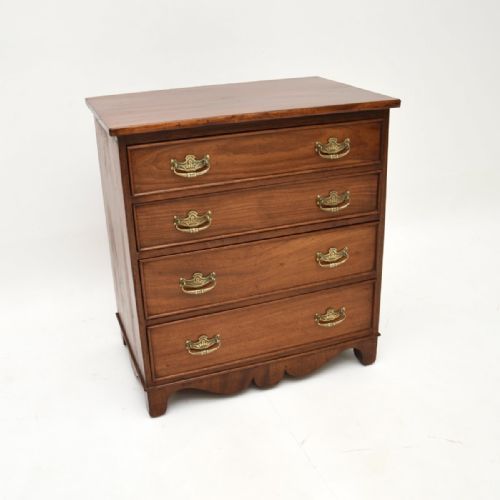
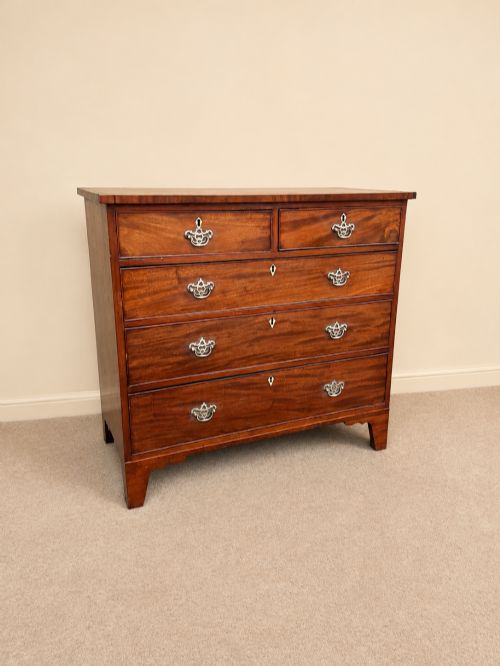
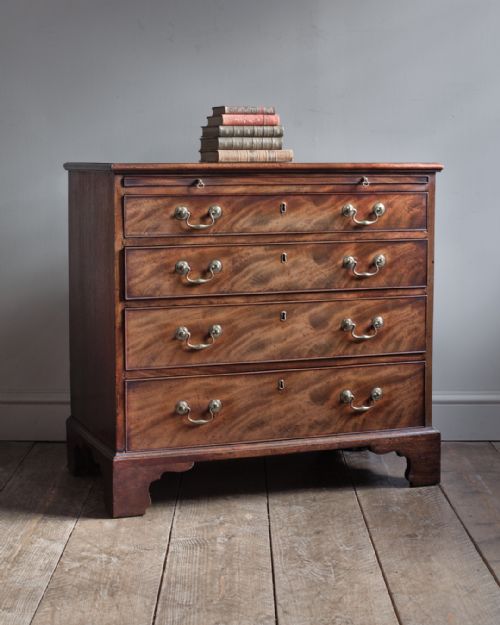
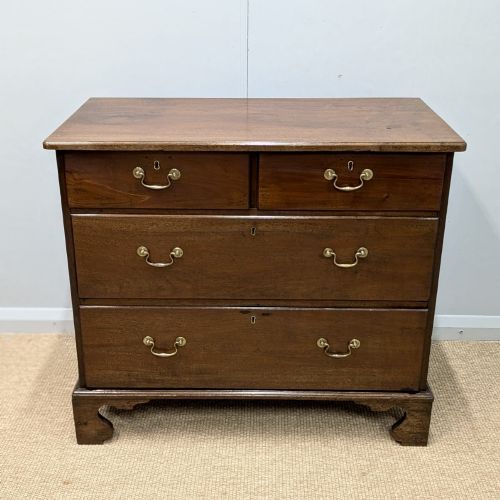
Quality rests in the harmony of proportion, the choice of timber figure, and the preservation of original surfaces. A neatly proportioned chest of drawers with graduated drawers and well-chosen mahogany veneer commands greater regard than a clumsy or heavily altered example.
The integrity of secondary timbers, original brass handles, and internal fittings distinguishes standard utility pieces from finer urban cabinetwork. Consistency in timber selection across carcass and drawer linings marks superior construction.
The Georgian Storage Glossary
- Brushing slide
- A pull-out shelf integrated into the upper section of a chest of drawers or bureau, traditionally used for writing or brushing clothes.
- Cofer
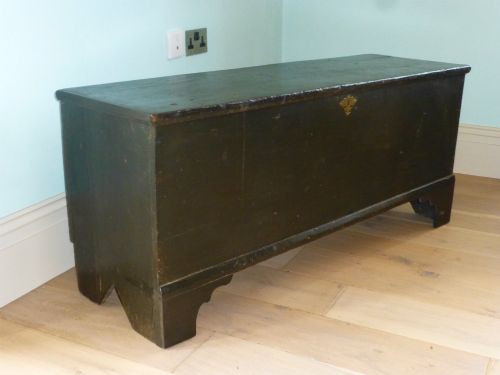
- A heavy wooden storage chest, often constructed from oak with plank panels, used for household linens and valuables before fitted closets were common.
- Cross-banding
- A decorative border technique where thin strips of veneer are laid perpendicular to the grain of the primary surface, common on Regency furniture.
- Linen press
- A tall cupboard featuring sliding trays or shelves in the upper section for folded textiles, placed above a base of practical storage drawers.
- Sarcophagus
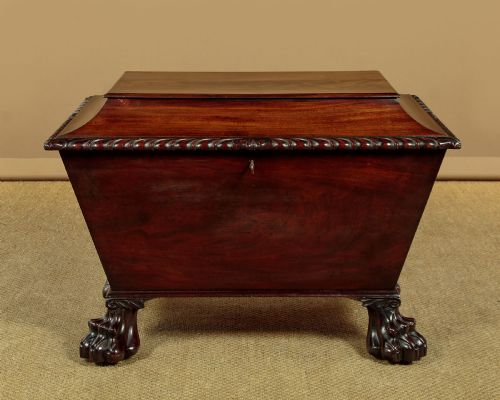
- A monumental, pedestal-shaped tea caddy or wine cooler with a domed lid, popular during the Regency period for dining room storage.
Georgian Storage: Frequently Asked Questions
What is a Georgian chest on chest?
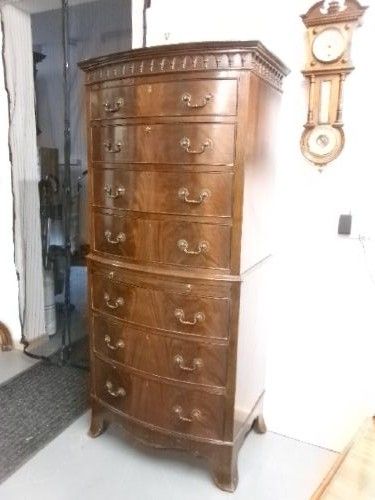
A chest on chest, or tallboy, consists of a larger chest of drawers supporting a slightly smaller upper chest to maximise vertical storage.
These pieces combine functional capacity with clean architectural lines, often in figured mahogany or walnut.
How do I identify a genuine period piece?
Examine the internal construction, hand-cut dovetails, and timber shrinkage patterns to establish age. Period pieces show consistent wear and appropriate secondary woods like oak or pine inside the drawers.
Revival pieces from the twentieth century often use machine-cut joints and modern adhesives, even when styled after eighteenth-century forms.
What was a tea caddy used for?
Tea caddies served as secure, lockable boxes for storing expensive imported loose tea leaves in the eighteenth and nineteenth centuries.
Inside, they typically featured lidded compartments to keep different blends separated and fresh away from household moisture.
Where should I place a coffer?
Coffers function well at the foot of a bed or along a hallway wall to store heavy blankets, woollens, or seasonal items.
Their robust construction in oak or elm allows them to double as occasional seating or surface display.