
Georgian Stool
A georgian stool offers a compact, functional form rooted in eighteenth-century design, bringing traditional seating and foot rests into domestic spaces.
Georgian Stool
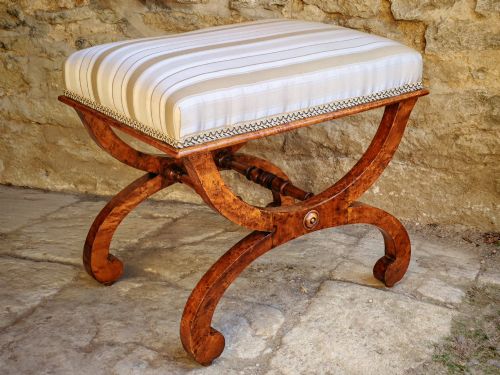
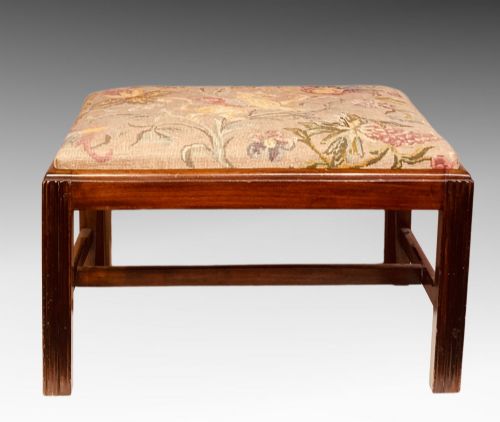
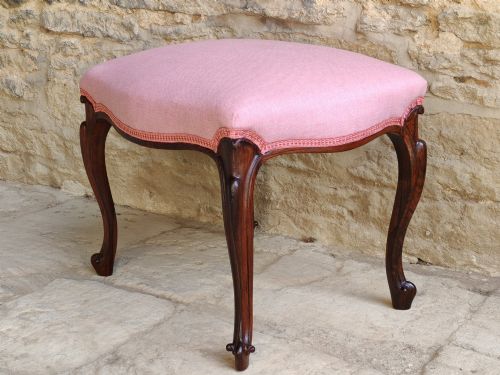
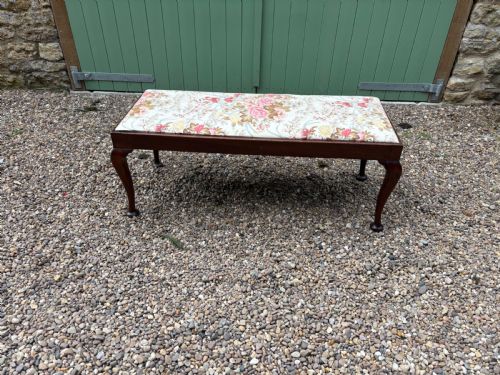
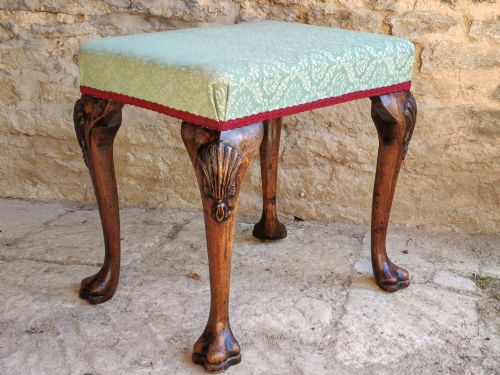
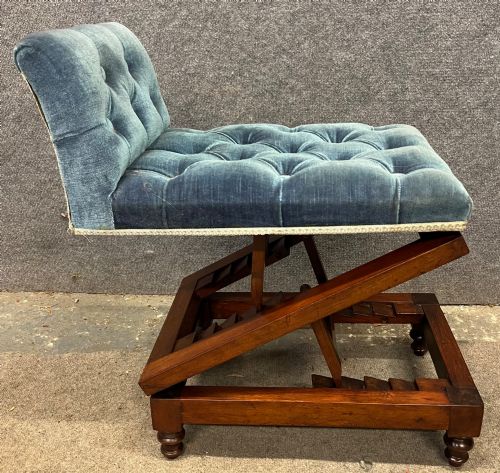
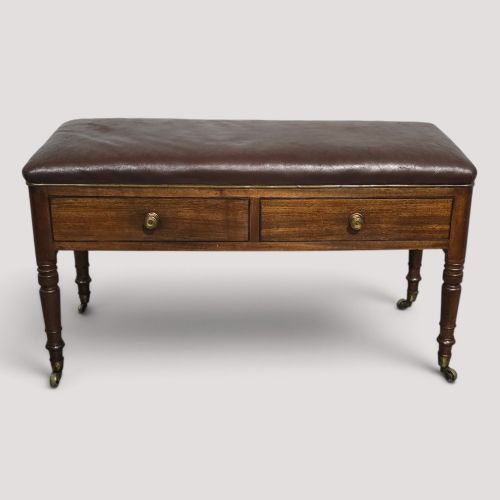
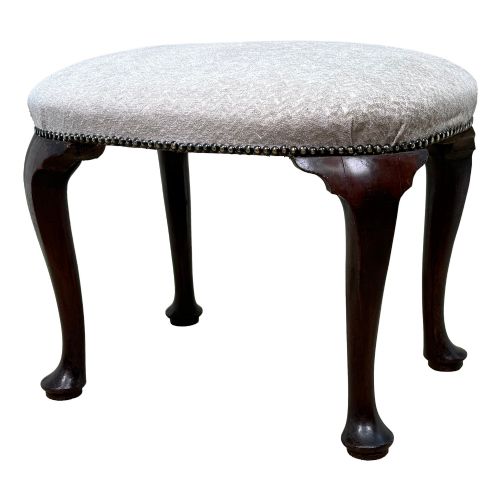
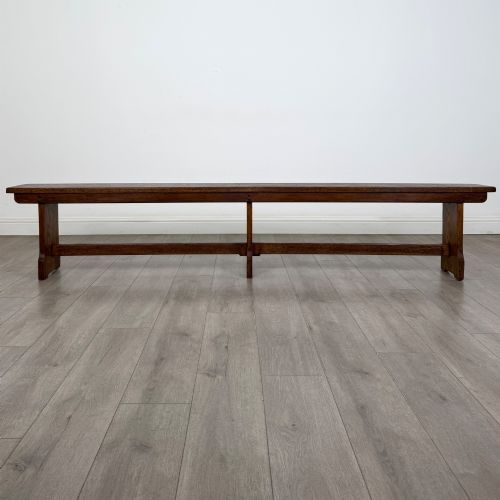
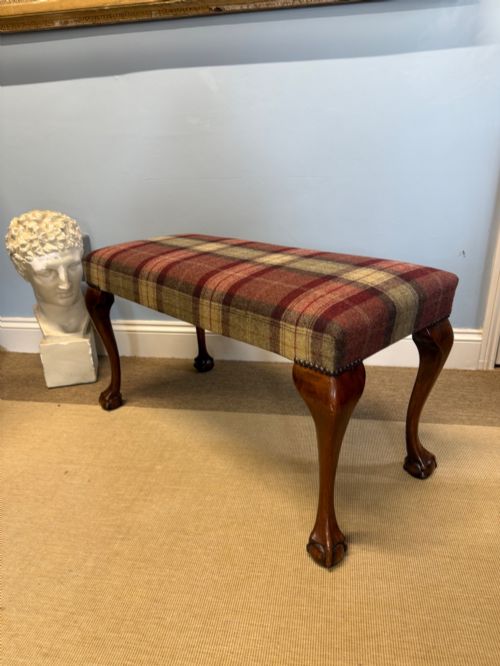
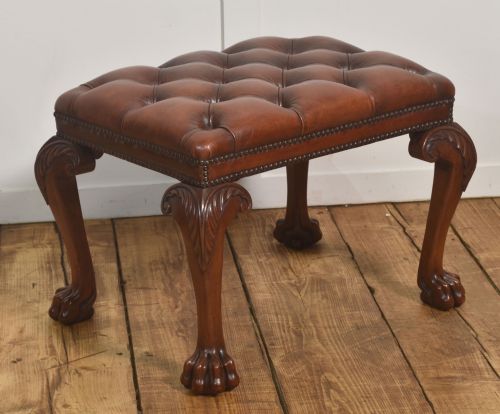
A georgian stool encompasses various low seating forms, including dressing stools, footstools, duet seats, and joint stools originating from eighteenth-century and subsequent periods. The listings include examples from the Georgian, Regency, and Victorian eras, along with later revival pieces produced in the nineteenth and twentieth centuries. Buyers frequently encounter mahogany and oak frames, often accompanied by fabric, leather, or velvet upholstery.
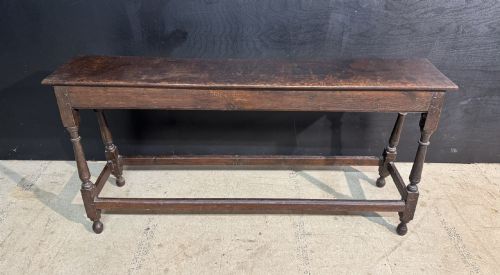
Provincial and vernacular pieces appear alongside formal household furniture, showing simpler construction methods such as splayed legs or plank tops. More elaborate examples display stylistic references to Chippendale, Queen Anne, and George I periods, utilising walnut, rosewood, and burr maple. These objects served diverse domestic functions, from bedside close stools and piano seating to dressing table accompaniments and hearth footmen.
Materials and construction
Cabinet makers utilised dense hardwoods such as mahogany, oak, walnut, and rosewood for structural frames, sometimes incorporating brass fittings, wrought iron, or painted pine. Joinery techniques range from traditional joint stool construction and cross stretchers to turned legs and cabriole supports.
Upholstered versions integrate textile, fabric, leather, velvet, and hide, frequently secured over padding on wooden bases. Blacksmith repairs and hedgerow splayed legs demonstrate the practical methods employed in provincial workshops to maintain structural integrity.
Materials recorded across the inventory include brass, leather, velvet, and burr maple alongside traditional oak and mahogany.
Assessing the pieces
The degree of refinement in carved detail and the selection of timber veneers separate standard production from superior examples. Natural colour and aged patination across hardwood surfaces indicate historical handling and seasoning of the material.
Structural cohesion relies on the integrity of the original joinery and the survival of period upholstery methods. Pieces retaining their early surfaces and uncompromised frames demonstrate greater authenticity within the historical record.
Miles and Edwards
The Georgian Stool Glossary
- Joint stool
- A solid wooden stool constructed with mortise and tenon joints, common in early domestic interiors. These sturdy pieces predated widespread upholstered seating.
- Close stool
- A cabinet-style seat enclosing a chamber pot, designed to resemble a small chest or box. They provided discrete sanitation before modern plumbing.
- Duet stool
- An elongated seat built to accommodate two musicians sharing a keyboard instrument. They often feature adjustable height mechanisms or upholstered tops.
- Curule footstool
- A cross-frame seat modelled on classical Roman folding chairs. The intersecting curved legs create an X-shape profile.
- Footman
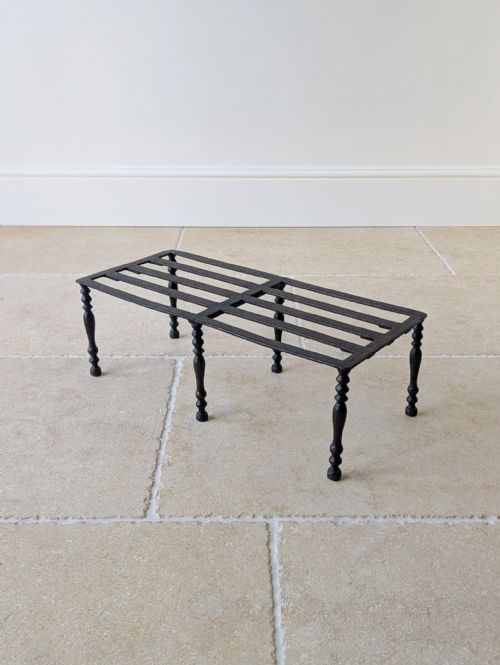
- A metal stand placed by a fireplace to hold cooking vessels or keep items warm. Examples in wrought iron served hearthside utility.
Georgian Stool: Frequently Asked Questions
What is a close stool?
A close stool is an enclosed wooden piece designed to hide a chamber pot inside a small cabinet or chest form. They offered concealed convenience in bedrooms before modern sanitation.
Craftsmen built these items to match other domestic furniture, often resembling small tables or bedside cupboards with hinged lids and panelled doors.
How do I identify a joint stool?
A joint stool is built using pegged mortise and tenon joinery rather than nailed construction. Carpenters made these sturdy oak seats to withstand heavy daily use in early households.
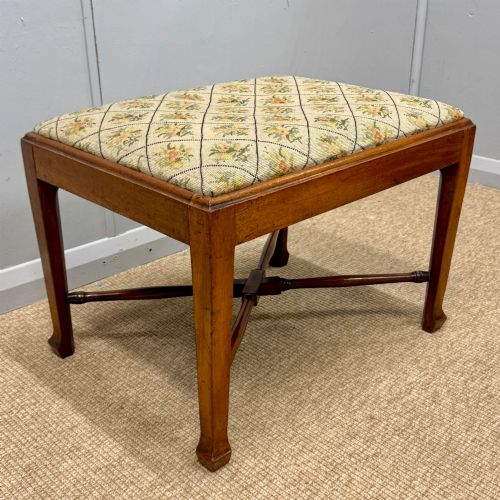
They typically feature rectangular plank tops supported by turned or straight legs connected by low stretcher rails for stability.
Where were piano stools used?
Piano stools provided dedicated seating for musicians at keyboard instruments in nineteenth-century parlours. Many incorporated swivel mechanisms or adjustable screws to alter the seating height.
They appear in revolving formats or as longer duet benches designed for two players sharing an instrument.
What are window seats?
Window seats are elongated benches or stools built specifically to fit into the architectural recess of a bay window. They provided comfortable daytime seating overlooking the grounds.
Examples from the Regency and Victorian periods often feature scrolled ends, painted pine frames, or upholstered tops matching interior drapery.