

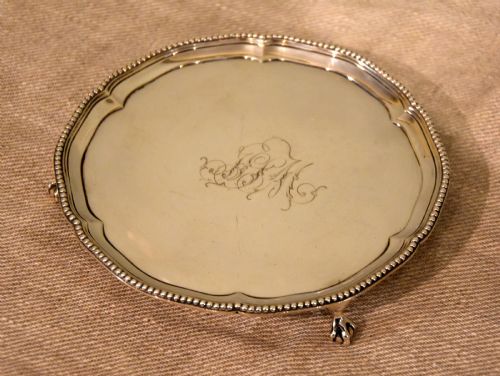

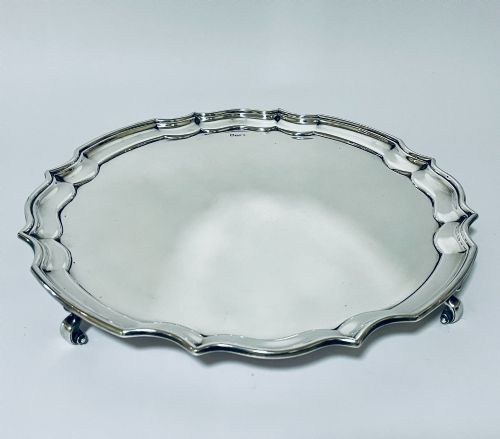


Georgian Sterling Platter
A georgian sterling platter brings heavy solid silver and precise eighteenth or nineteenth century craftsmanship straight to your dining table or sideboard.
Georgian Sterling Platter
When you search for a georgian sterling platter, you encounter large serving dishes and salvers forged from solid sterling silver during the Georgian era and the early nineteenth century. These pieces encompass substantial platters, trays, card trays, and centrepieces that reflect the formal dining customs of their period.
The versions you are most likely to meet on this page span the eighteenth century and the nineteenth century, including specific dates from seventeen thirty-six through to eighteen thirty-three. Makers from London, Sheffield, Dublin, York, and international origins shaped these items into Grand Regency and Georgian styles.
Every piece listed carries the unmistakable weight and polish of genuine sterling silver, serving as both a functional tableware item and a historic metalwork object.
How they were made
Silversmiths utilised solid sterling silver to create these substantial platters and salvers, hammering and casting the metal to achieve rigid structures capable of supporting heavy service. Master craftsmen in major silversmithing hubs shaped the silver plates into circular or shaped trays with raised borders.
Detailed engraving, applied borders, and hallmarks stamped directly into the sterling silver recorded the maker, assay office, and year of production. These manufacturing steps ensured both structural integrity and official verification of the silver standard.
Georgian Sterling Platter Retail Price Guide 2026
Typical asking prices for georgian sterling platter among the pieces listed under this phrase on Sellingantiques today, from the lower quarter to the upper quarter. They describe what is for sale here now, not the wider market.
This site lists sterling silver items spanning the eighteenth century, the nineteenth century, and nineteen twenty, featuring forms from salvers to centrepieces.
What varies in quality
The distinction between standard examples and the finest pieces often rests upon the prominence of the silversmith, the clarity of the assay hallmarks, and the complexity of any engraved ornamentation. Pieces bearing the mark of celebrated workshops command greater attention through superior metal distribution and crisp detailing.
The presence of documented historical association, such as military or noble provenance, elevates certain trays above standard domestic silver service items. Heavier gram weights and crisp, unaltered borders further separate exceptional platters from simpler domestic salvers.
John Schofield·S.C. Younge and Co.·Robert Breading·James Fray·Paul Storr
The Georgian Sterling Platter Glossary
- Sterling silver
- A silver alloy containing ninety-two point five percent pure silver by mass, with the remainder consisting of copper or other metals. This standard ensures the durability required for functional tableware.
- Salver
- A flat tray, usually made of silver and supported on feet, used for presenting food, drinks, or visiting cards. In Georgian dining, these served central ceremonial roles.
- Assay office
- An official body charged with testing the purity of precious metals and stamping them with hallmarks. Cities such as London, Sheffield, Dublin, and York maintained active offices during the Georgian period.
- Centrepiece
- A large decorative vessel or tray placed in the middle of a dining table during formal meals. These grand items often featured elaborate cast borders and substantial weight.
Georgian Sterling Platter: Frequently Asked Questions
What is a georgian sterling platter?
A georgian sterling platter is a solid silver serving dish or tray created during the eighteenth or early nineteenth century. These items were fashioned by skilled silversmiths for formal dining and display.
They combine heavy sterling silver construction with classical Georgian or Grand Regency decorative motifs, making them enduring examples of period metalwork.
How were these platters used originally?
In period households, these silver pieces served food, drinks, or letters during formal gatherings and meals. Platters held roasted meats or large courses, while smaller salvers and card trays managed calling cards or glassware.
Their substantial weight and reflective silver surface demonstrated the status and hospitality of the host.
How do I care for sterling silver?
Living with antique silver requires gentle cleaning with specialised silver polish to maintain the shine without wearing away fine engraving or hallmarks. Avoid harsh abrasives and store pieces in dry, tarnish-resistant environments.
Regular handling and careful washing in warm soapy water preserve the natural patina developed over centuries.
How do I identify the date of a piece?
Dating relies heavily on the stamped hallmarks, which include specific letters corresponding to the assay office year cycles. Additionally, stylistic cues such as Grand Regency borders or simpler mid-eighteenth-century edges help narrow down the period.
Maker marks also point to active working decades for specific silversmiths and workshops.