





Georgian Sketch Art
Georgian sketch art brings domestic portraiture, landscapes and architectural studies into interiors through original ink, pencil and wash on paper.
Georgian Sketch Art
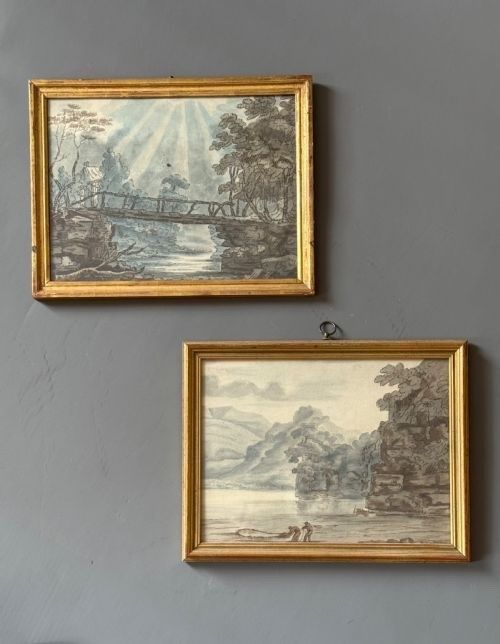
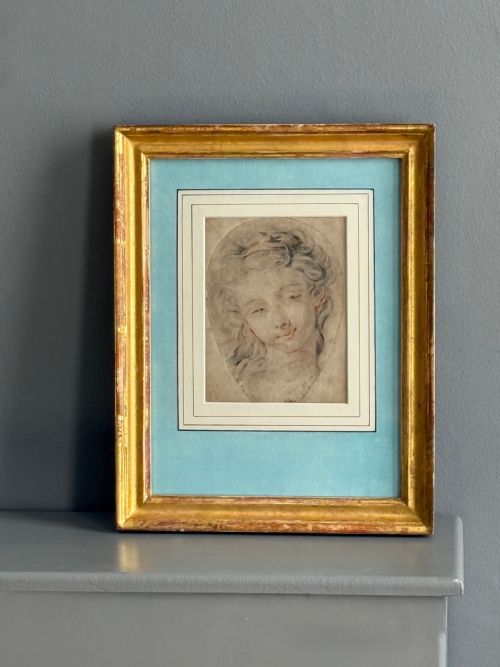
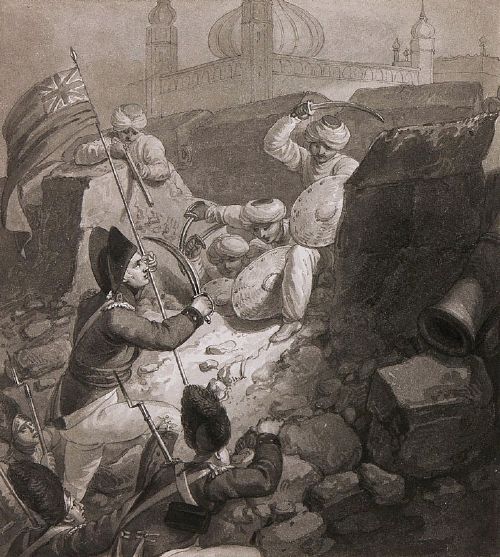
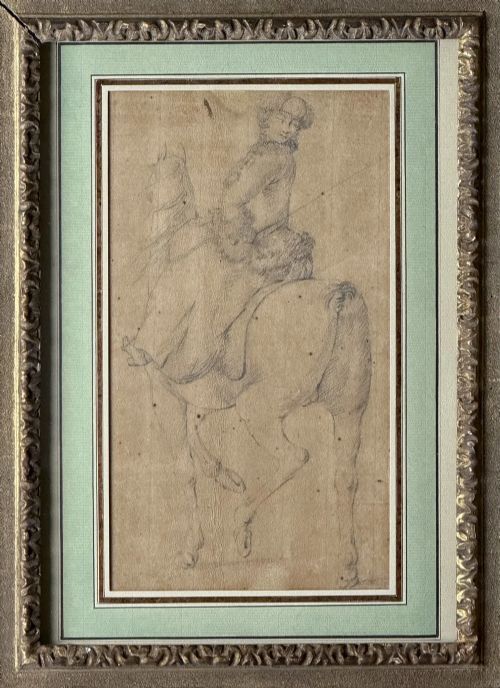
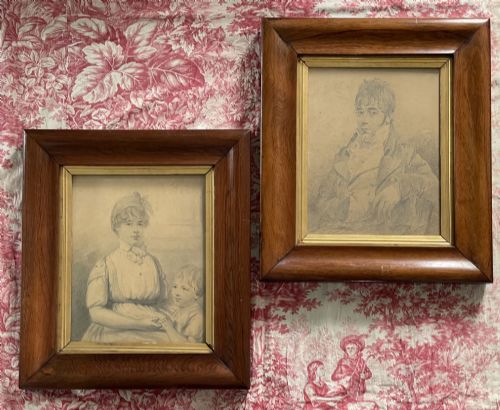
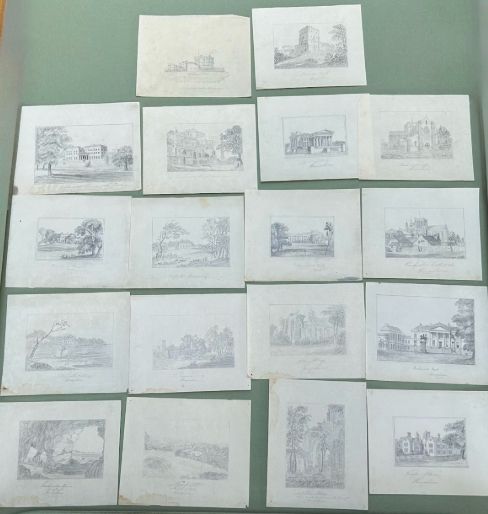
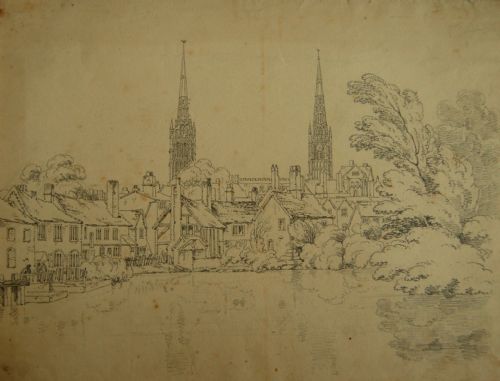
When seeking georgian sketch art, collectors encounter original works on paper spanning the eighteenth and nineteenth centuries, including landscape views, equestrian scenes and portrait drawings. These pieces range from rapid pencil studies to finished ink and wash watercolours executed by named masters and regional schools.
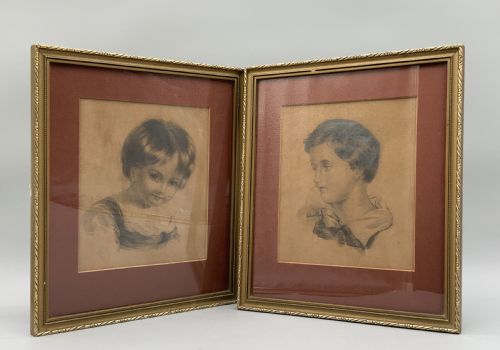
The material record on this page shows framed drawings, oil studies on paper and pastel portraits housed in period frames such as carved Florentine wood, maple and gilt scroll designs. Portraiture dominates the selection, featuring sitters from children to nobility alongside topographical and architectural studies.
How They Were Made
Artists worked primarily on paper using graphite, charcoal, plumbago and pen and ink, often combining monochrome media with delicate washes of watercolour. Some pieces utilise oil paint applied directly to paper or panel supports.
Framing forms an integral part of the survival of these works, utilising materials like giltwood, wood and glass to protect fragile media while reflecting the aesthetic preferences of the eighteenth and nineteenth centuries.
Georgian Sketch Art Retail Price Guide 2026
Typical asking prices for georgian sketch art among the pieces listed under this phrase on Sellingantiques today, from the lower quarter to the upper quarter. They describe what is for sale here now, not the wider market.
The selection includes works spanning the eighteenth century through the Victorian era, utilising media from graphite and charcoal to oil on paper.
What Varies in Quality
The distinction between standard works and exceptional pieces rests upon the sureness of the draughtsmanship and the known attribution of the hand, ranging from accomplished regional practitioners to exhibited academicians. Direct association with documented sitters or identifiable topographical locations elevates the historical weight of a drawing.
Preservation of the delicate media on paper, the presence of original period frames such as maple or carved giltwood, and clear inscriptions or signatures shape the standing of individual examples within the wider field.
Francois Boucher·William Marshall Craig·Edward Dayes·James Ferguson·Richard Leech·Thomas Rowlandson·John Hoppner·Sir Francis Leggatt Chantrey·Ozias Humphry·Johan Noah Bemmel·Peter Tillemans·George Richmond·Sir Nathaniel Dance-Holland·Henry Edridge·Sir William Charles Ross·Dr Thomas Monro
The Georgian Sketch Art Glossary
- Plumbago
- A drawing executed in black lead or graphite, popular for finely detailed miniature portraiture in the seventeenth and eighteenth centuries.
- Wash
- A thin, transparent layer of diluted watercolour or ink applied with a brush to create tonal depth and shadow behind linear work.
- Pastel
- A dry medium composed of powdered pigment and a binder, producing velvety colour surfaces often seen in eighteenth-century portraiture.
- Giltwood
- Carved wood coated with fine leaf gold, used extensively for decorative picture frames during the Georgian and Regency periods.
- Graphite
- A form of carbon used as a drawing tool in pencils, allowing artists to achieve varied tonal shading and precise line work.
Georgian Sketch Art: Frequently Asked Questions
What is georgian sketch art?
Georgian sketch art comprises original drawings, watercolours and oil studies produced on paper or panel during the eighteenth and early nineteenth centuries. These works record contemporary landscapes, architectural studies and portraits.
They capture immediate observations by artists working in monochrome ink, graphite, wash and pastel. Many survive in their original frames from the period.
How were these drawings displayed?
Historic drawings were typically mounted behind glass within timber frames made of maple, giltwood or carved scroll designs to protect the fragile paper from dust and light.
Today, they require similar care away from direct sunlight to preserve the fugitive pigments of early watercolours and the delicate lines of pencil and ink.
Who created these sketches?
The works originate from royal academicians, travelling topographical artists, portrait painters and continental schools. Many pieces reflect the output of formal drawing circles and academy students.
Signatures, inscriptions or stamps occasionally identify the hand, while others represent anonymous regional practitioners of the period.
How do I care for antique paper art?
Preserving works on paper involves maintaining stable humidity levels and positioning frames away from direct exposure to strong sunlight to prevent the fading of ink and watercolour.
Original frames should be retained where possible, as they provide contextual evidence of the period and protect the structural integrity of the artwork.