

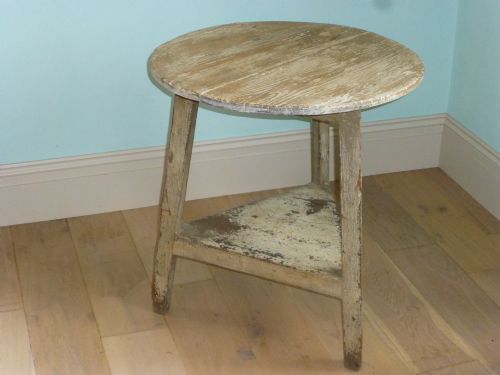
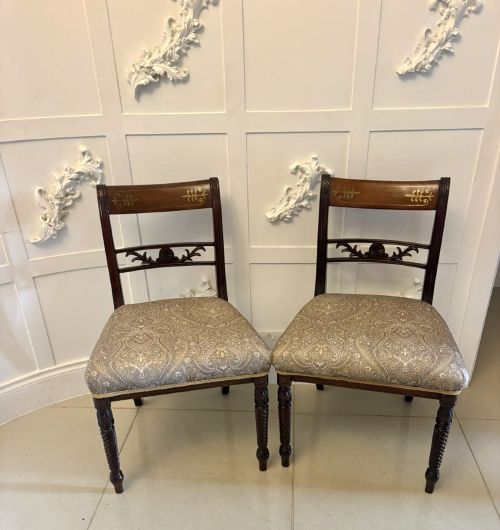
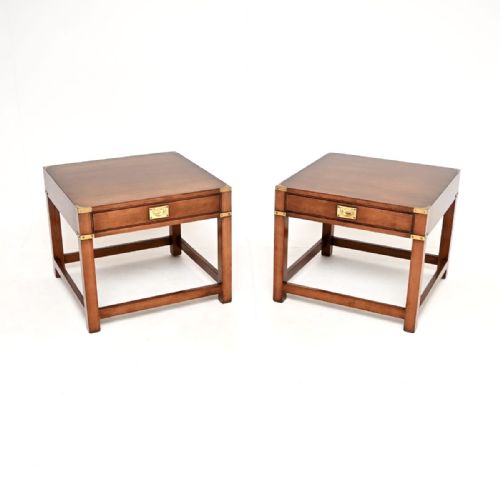
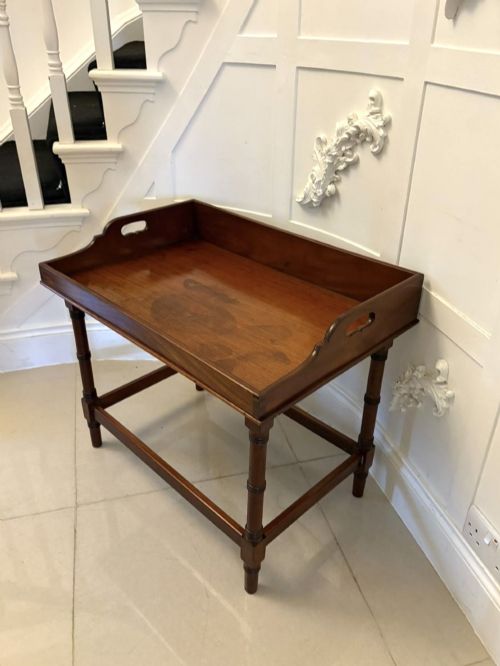
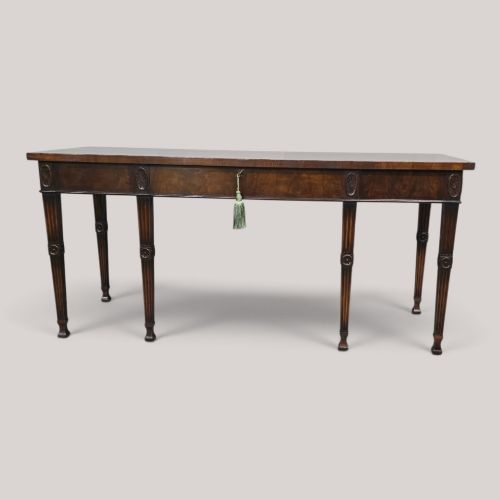
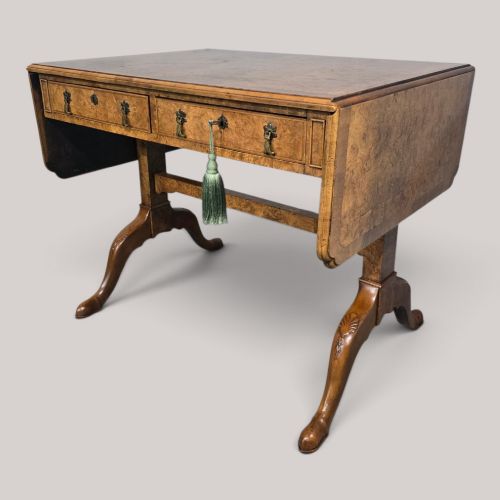
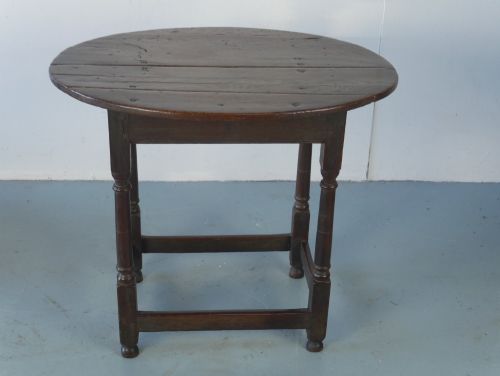
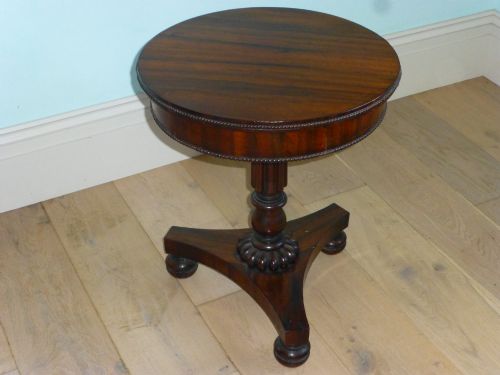
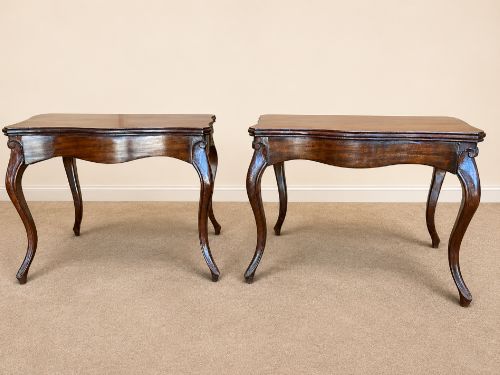
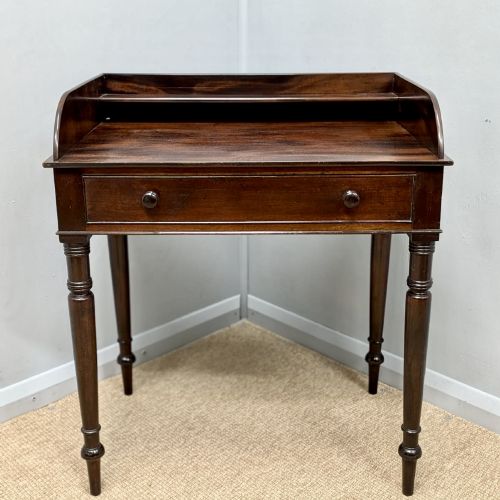
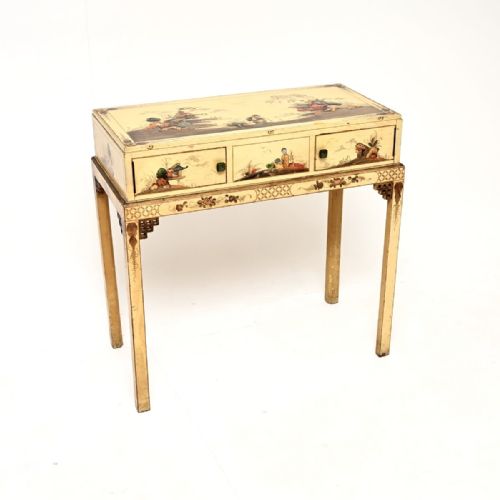
Georgian Side Furniture
Georgian side furniture encompasses practical tables, desks, and dressers in mahogany and oak designed to stand against room perimeters.
Georgian Side Furniture
When you search for georgian side furniture, you encounter a variety of forms including lowboys, card tables, side tables, writing tables, and dressers. These items date primarily from the eighteenth and early nineteenth centuries, covering the Georgian and Regency periods.
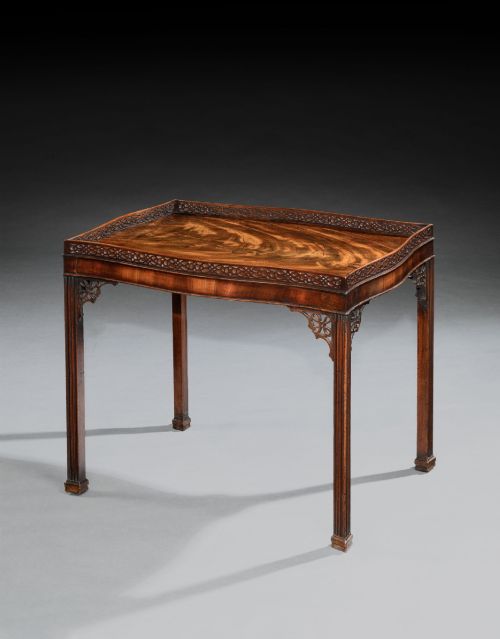
The most common versions met on this page are mahogany or oak side tables and lowboys fitted with drawers, alongside occasional tea tables and work tables. They served specific domestic functions in reception rooms, bedrooms, and dining spaces.
Makers utilised timber varieties such as walnut, satinwood, rosewood, and fruitwood to construct pieces reflecting George II, George III, and Regency stylistic developments. The selection balances functional storage and display surfaces with cabinet-making craft.
How they were made
Carpenters and cabinet-makers built these items predominantly using solid and veneered timbers such as mahogany, oak, walnut, and rosewood, frequently incorporating secondary woods like elm and ash. Surfaces often feature polished finishes, while select items incorporate painted decoration, brass fittings, or marquetry detailing.
Construction techniques relied on traditional joinery methods including dovetailing for drawer construction and mortise and tenon joints for frames. Tables frequently include hinged folding tops, tilt mechanisms, or removable surfaces supported by turned, cabriole, or pillar legs.
Georgian Side Furniture Retail Price Guide 2026
Typical asking prices for georgian side furniture among the pieces listed under this phrase on Sellingantiques today, from the lower quarter to the upper quarter. They describe what is for sale here now, not the wider market.
What varies in quality
The standard of timber selection and the precision of the grain alignment largely dictate the distinction between standard examples and finer pieces. Rich, well-figured mahogany, figured walnut, or contrasting satinwood veneers demonstrate greater material consideration.
Refinement in carving detail, such as hand-carved paw feet or crisp mouldings, indicates superior craftsmanship. Original brass hardware, sound structural joinery, and untouched patination further elevate the standing of a piece.
The Georgian Side Furniture Glossary
- Lowboy
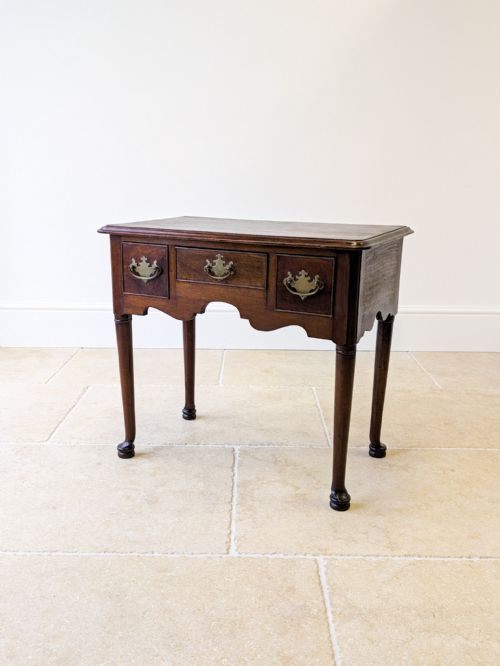
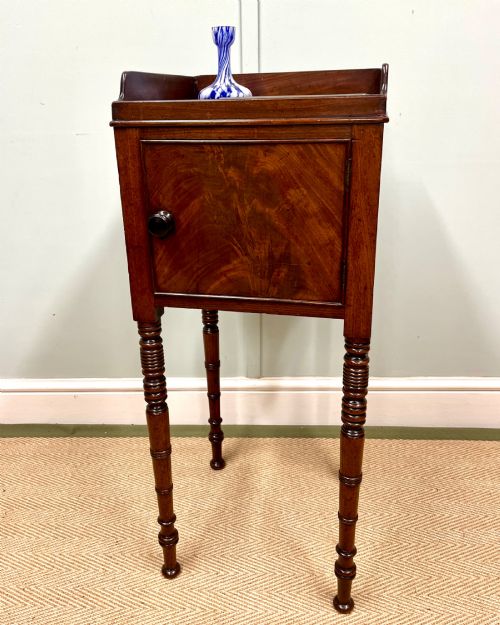
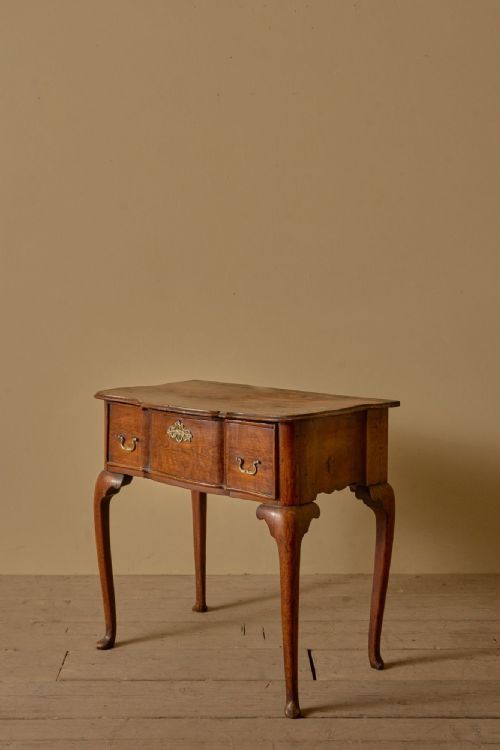
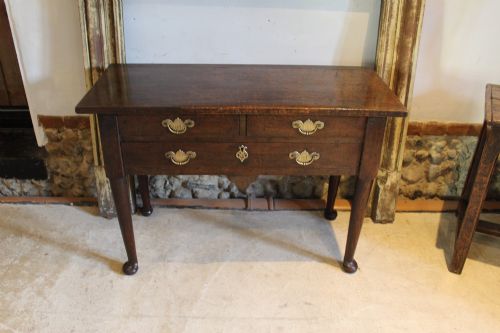
- A small oak or mahogany dressing or side table featuring one or more rows of drawers, commonly standing on cabriole or straight legs. These low tables were standard bedroom or parlour items in the eighteenth century.
- Tilt-top
- A table mechanism allowing the wooden top to pivot into a vertical position when not in use. This design saved space in smaller rooms.
- Card table
- A folding table with a hinged top that opens to reveal a baize-lined surface for playing games. They were essential furnishings for Georgian drawing rooms.
- Dumb waiter
- A tiered revolving stand used in dining rooms for serving food without domestic staff present. These pieces typically feature graduated circular trays on a central column.
- Whatnot
- An open set of shelving units supported by slender upright pillars used for displaying books or ornaments. The form gained popularity during the Regency period.
Georgian Side Furniture: Frequently Asked Questions
What is a lowboy used for?
A lowboy served primarily as a small dressing table or a side table for holding personal items in bedrooms and private chambers. They provided convenient surface space and drawer storage without occupying the footprint of larger wardrobes.
Over time, these pieces also found placement in hallways and reception rooms as decorative surfaces for lamps or small decorative objects.
How do I identify a Georgian side table?
Georgian side tables are typically distinguished by their use of dense native timbers like oak or imported woods such as Cuban mahogany. Look for construction methods like hand-cut dovetails inside the drawers and period-appropriate leg forms including cabriole or square tapered legs.
Stylistic markers often align with the reigns of George II and George III, showing restrained carving or understated mouldings rather than heavy nineteenth-century revival details.
Where should I place a wine table?
Wine tables are compact circular or tilt-top tables designed to sit beside seating arrangements to hold glasses or bottles during social gatherings. Their small scale allows them to fit easily into tight corners or between armchairs.
In modern interiors, they function effectively as lamp tables or bedside stands.