


Georgian Pottery
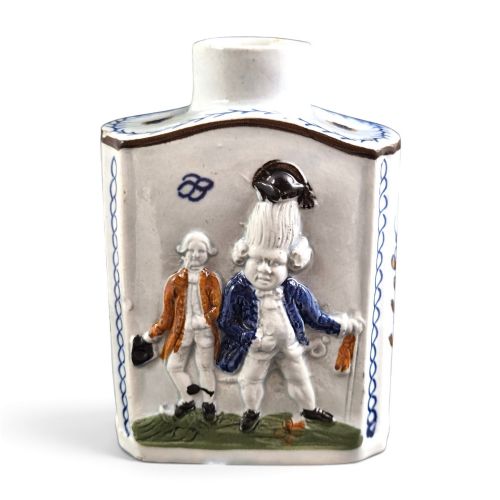
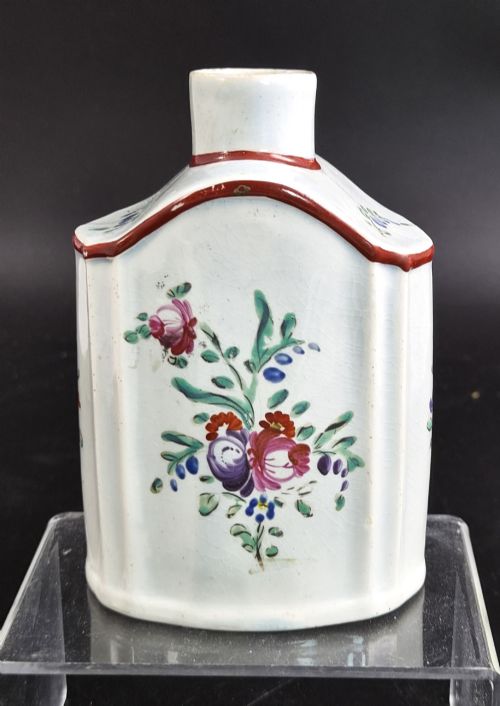
Georgian pottery comprises earthenware, creamware, pearlware, and stoneware vessels from the eighteenth and nineteenth centuries that collectors prize for their hand-painted enamels, transfer prints, and functional domestic forms.
Georgian Pottery
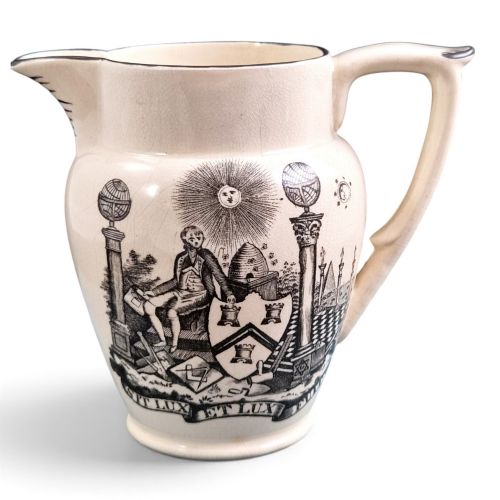
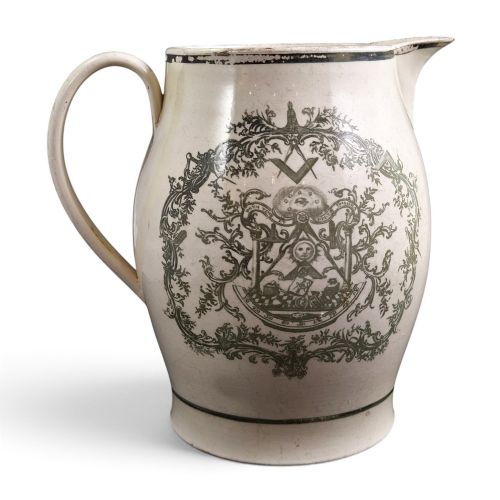
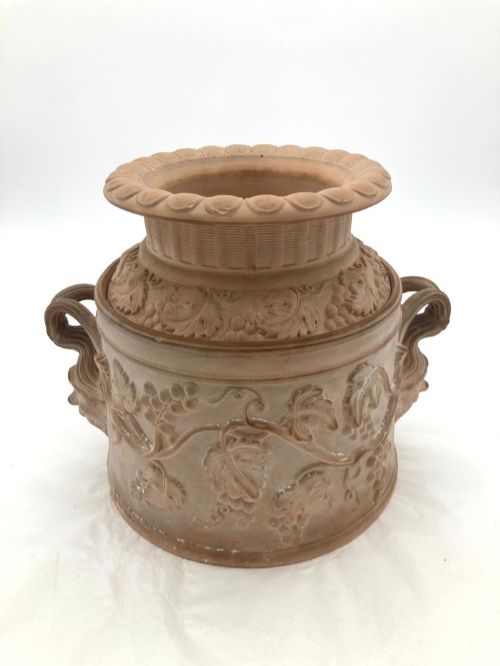
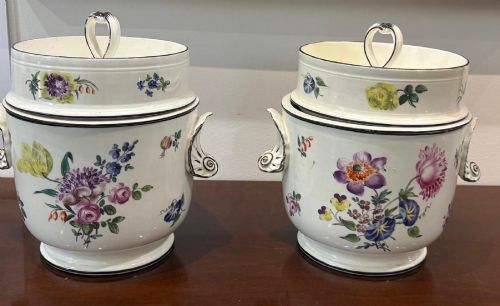
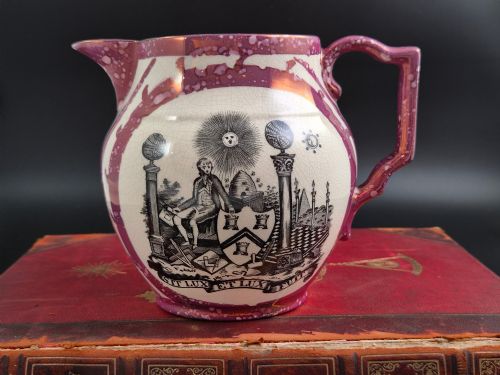
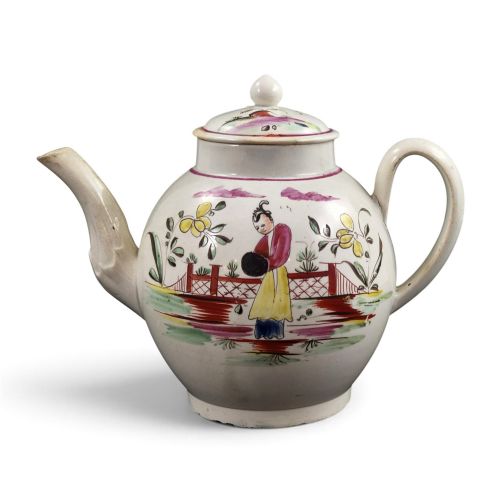
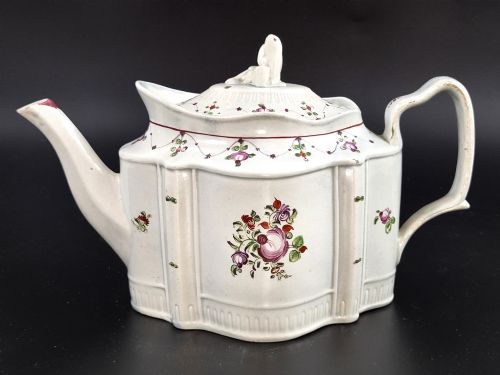
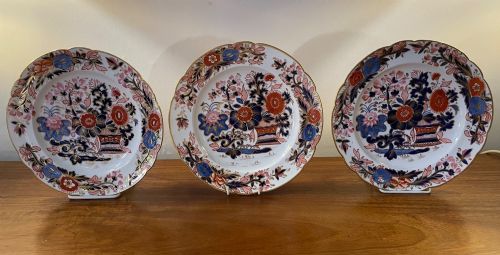
When you search for georgian pottery, you encounter utilitarian and decorative vessels spanning the eighteenth and nineteenth centuries, including the Georgian, Regency, and early Victorian eras. The selection on this page centres on creamware, pearlware, earthenware, and ironstone objects shaped as jugs, teapots, plates, platters, and tureens.
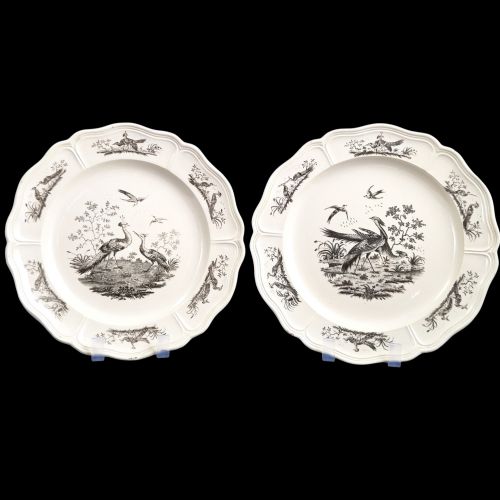
The most common items you meet are creamware and pearlware tableware produced by English potteries, alongside transfer-printed platters and painted jugs. These pieces reflect both vernacular country traditions and sophisticated neoclassical designs intended for everyday dining and display.
The origins span regional English workshops, prominent Staffordshire potteries, and Dutch delftware production, capturing a period of immense technical development in British ceramic manufacturing.
How they were made
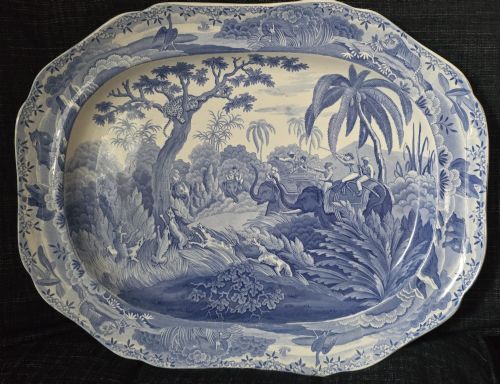
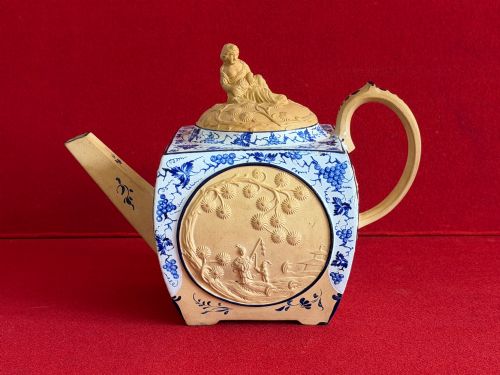
Potters utilised refined earthenware bodies such as creamware and pearlware, which were glazed to provide a smooth, durable surface suitable for domestic use. Decoration was achieved through hand-painted floral enamels, transfer printing in blue and black, and coloured slip applications.
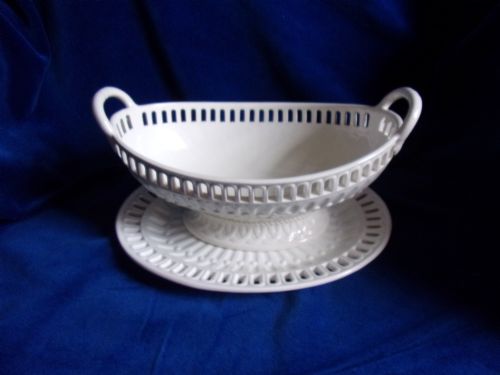
Objects were shaped on the potter's wheel or formed in moulds, allowing for intricate reticulated baskets, figural mugs, and sculptural jugs. Firing took place in traditional kilns, after which pieces received protective lead or tin glazes depending on the ceramic body.
Several drinking vessels conceal internal ceramic frogs that leap out at the drinker as the ale empties.
What varies in quality
Quality rests upon the crispness of the moulding, the clarity of the transfer print or the dexterity of the hand-painted enamels. Superior examples display precise brushwork, well-defined relief work, and minimal kiln distortion in the ceramic body.
The distinction between standard domestic wares and exceptional factory pieces lies in the sophistication of the design, the depth of the glaze, and the preservation of delicate details such as reticulated basketweave or applied handles.
Wedgewood·Spode·Leeds Pottery·Davenport·Mason's Ironstone·Minton·Robert Hamilton·John Rogers and Son·J and R Clews
The Georgian Pottery Glossary
- Creamware
- A fine earthenware developed in England with a pale yellowish straw-coloured lead glaze. It revolutionised eighteenth-century dining tables with its light weight and clean appearance.
- Pearlware
- A refined earthenware introduced by Josiah Wedgwood featuring a bluish-tinted glaze that pooled slightly in recesses to mimic Chinese export porcelain.
- Transfer printing
- A decoration technique where an engraved copper plate transfers a design onto tissue paper, which is then stamped onto the unglazed or bisque ceramic body before firing.
- Slipware
- Pottery decorated with liquid clay slip applied by trailing, brushing, or dipping onto a coarser earthenware body before glazing and firing.
- Lustreware
- Earthenware finished with a metallic glaze that creates a reflective, iridescent sheen resembling copper, silver, or pink gold.
Georgian Pottery: Frequently Asked Questions
What is creamware?
Creamware is a refined earthenware body developed in eighteenth-century England, coated with a transparent lead glaze that yields a warm, pale yellow tone.
It became the dominant tableware material for dining before white ironstone took precedence in the nineteenth century.
What is pearlware?
Pearlware is an improved earthenware body developed to rival porcelain, utilising a subtle cobalt-tinted glaze that counteracted the natural yellow hue of the clay.
Potters used this smooth surface extensively for blue and white transfer-printed tableware and vibrant painted figures.
How are periods distinguished?
Periods are identified by ceramic composition, glaze characteristics, decorative palettes, and stylistic markers such as neoclassical motifs or early transfer-printed scenes.
Examining the foot rim, manufacturing marks, and wear patterns provides further confirmation of age.