


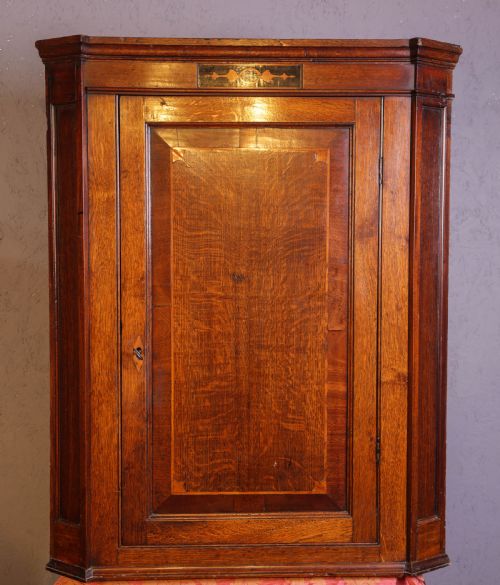


Georgian Period Wardrobe
These georgian period wardrobe pieces offer generous storage in timbers like mahogany and oak, built to anchor a bedroom or hall with traditional presence.
Georgian Period Wardrobe
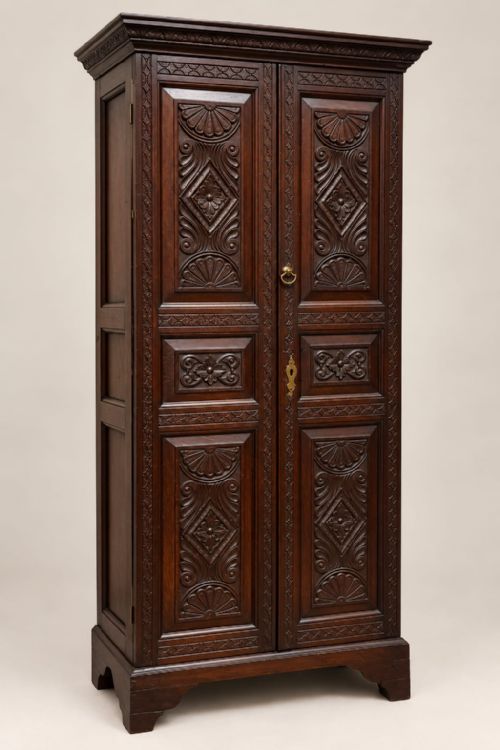
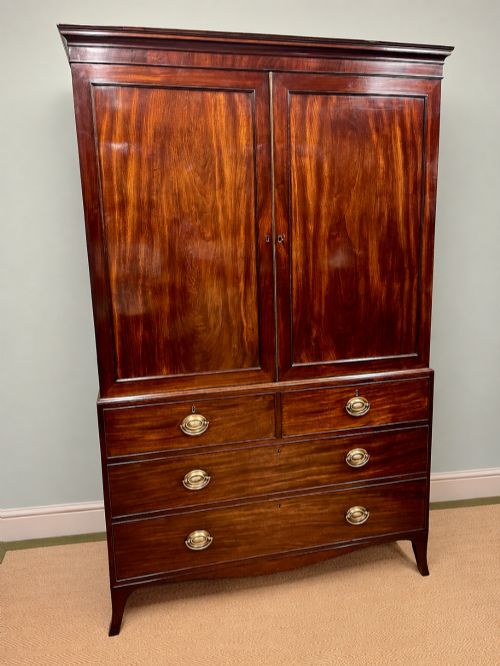
A georgian period wardrobe search uncovers large storage furniture designed to hold garments and household linen, encompassing forms like linen presses, gentleman's cabinets on chest, and double wardrobes. These pieces stem from periods spanning the eighteenth and nineteenth centuries, carrying stylistic influences from George III, Regency, and William IV eras.
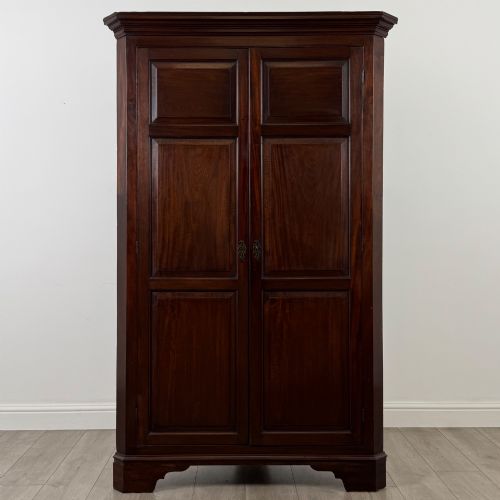
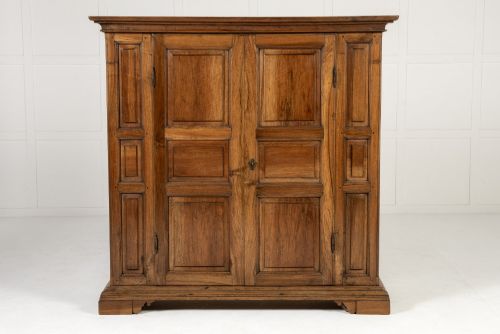
The version most commonly encountered on this page is the mahogany linen press, often combining upper panelled doors with lower drawer sections, alongside various corner cabinets and housekeeper's cupboards in oak and walnut. Regional variations appear too, including Irish Regency and English country iterations that reflect local timber preferences and workshop traditions.
Buyers select these items to bring period character and functional storage into domestic spaces, appreciating the architectural cornices, fielded panels, and substantial timber builds. Each piece documents a specific era of cabinet-making, from simple rural oak cupboards to grand townhouse wardrobes veneered in figured mahogany.
Materials and construction
Makers relied primarily on native oak and imported mahogany, often selecting flame mahogany or Cuban mahogany for principal display surfaces to create deep grain figures. Secondary woods like pine appear in internal shelving and carcass framing, whilst brass hardware such as drop handles and escutcheons secures doors and drawers.
Joinery methods involved traditional frame and panel construction, dovetailing for drawer construction, and hand-cut mouldings that defined cornices like the swan-neck pediment. Surfaces received hand-polished finishes that enhanced the natural tones of the walnut, oak, and mahogany without synthetic lacquers.
Georgian Period Wardrobe Retail Price Guide 2026
Typical asking prices for georgian period wardrobe among the pieces listed under this phrase on Sellingantiques today, from the lower quarter to the upper quarter. They describe what is for sale here now, not the wider market.
Current listings feature pieces spanning the 18th century, Georgian, and Regency periods, constructed from oak, walnut, and various mahogany timbers.
Judging quality and proportion
Quality rests upon the selection of timber figures, such as matched flame mahogany veneers, and the crispness of carved details like swan-neck pediments and bracket feet. Superior pieces maintain balanced proportions between upper cupboard sections and lower chests, integrating original brass fixtures and stable internal sliding trays or hanging spaces.
Construction integrity distinguishes workshop output, seen in the neatness of dovetails, the snug fit of panelled doors, and the preservation of original backboards. Examples retaining their initial painted finishes or unblemished timber patination demonstrate higher preservation standards than those altered by extensive timber replacement.
The Georgian Period Wardrobe Glossary
- Linen Press
- A tall storage cabinet featuring upper doors enclosing sliding trays or shelves, positioned above a base chest of drawers. Originally built to store household linen flat.
- Gentleman's Cabinet On Chest
- A multi-section furniture form comprising a hanging or shelving cupboard mounted upon a chest of graduating drawers. These pieces served domestic storage needs in larger households.
- Swan-Neck Pediment
- A decorative broken pediment top featuring opposing curved scrolls rising to a central terminal or plinth. This architectural detail frequently crowns high-status eighteenth-century wardrobes.
- Corner Cabinet
- A specialised storage piece built with a triangular footprint to fit snugly into room corners. They appear in both hanging and shelved formats using oak or mahogany.
- Flame Mahogany
- A veneer cut from mahogany timber where the grain creates a flickering, flame-like pattern. Cabinet-makers utilised this figure on prominent door panels and drawer fronts.
Georgian Period Wardrobe: Frequently Asked Questions
What is a linen press?
A linen press is a tall storage cabinet with upper doors that enclose sliding wooden trays, set above a lower chest of drawers. They were designed for folding and storing household linen before hanging wardrobes became standard.
Today, these interior trays can be removed or adapted, allowing the upper section to function as a conventional wardrobe space while retaining the traditional exterior appearance.
How do I date a wardrobe?
Dating relies on observing timber choices, construction techniques, and stylistic ornament such as pediments, bracket feet, and brass hardware. Oak construction often points to earlier eighteenth-century rural pieces, whilst figured mahogany and satinwood inlay align with later George III and Regency periods.
Examining internal secondary woods and drawer dovetails helps confirm the era of manufacture, as hand-cut joints differ visibly from later nineteenth-century machine production.
Where should I place a large cupboard?
Large cupboards and presses require stable interior wall space with adequate clearance for opening heavy panelled doors and lower drawers. Measuring ceiling height is essential, particularly for pieces featuring architectural cornices or swan-neck pediments.
Placing these items away from direct heat sources prevents timber shrinkage and protects the polish on mahogany and oak surfaces over time.
Are interior fittings original?
Interior fittings often include sliding trays, fixed shelves, or later-inserted clothes rails depending on how previous owners utilised the storage space. Many period wardrobes underwent conversion during the nineteenth or twentieth centuries to accommodate hanging garments instead of folded linen.
Checking for peg holes, runner grooves, and timber matching inside the carcass reveals whether the current shelving or hanging arrangement reflects the original workshop design.