
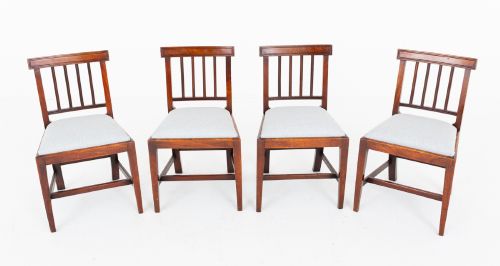
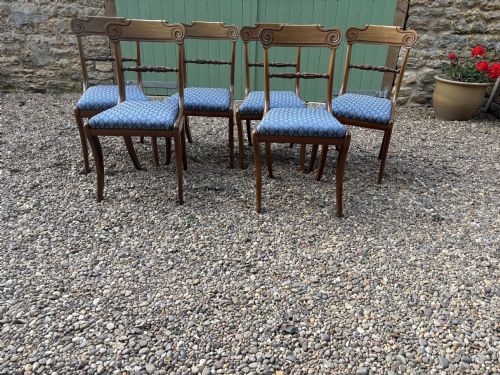
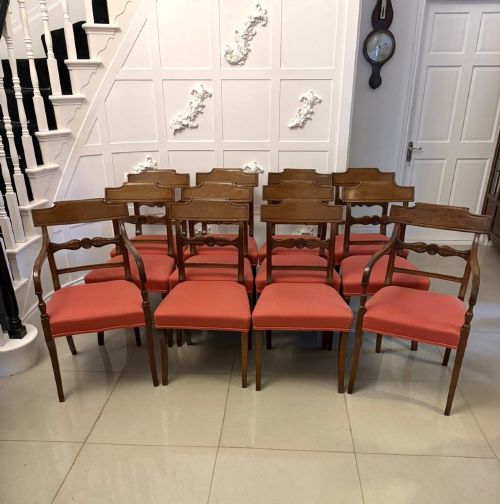
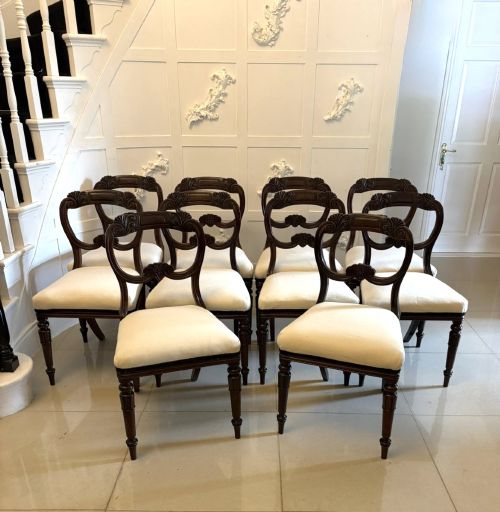
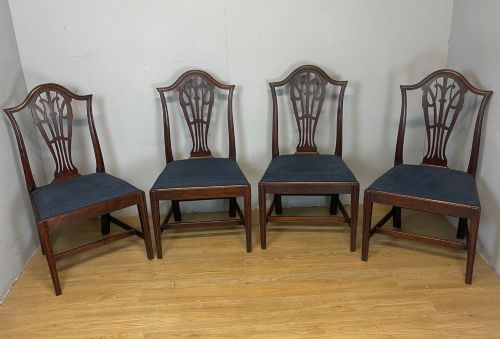
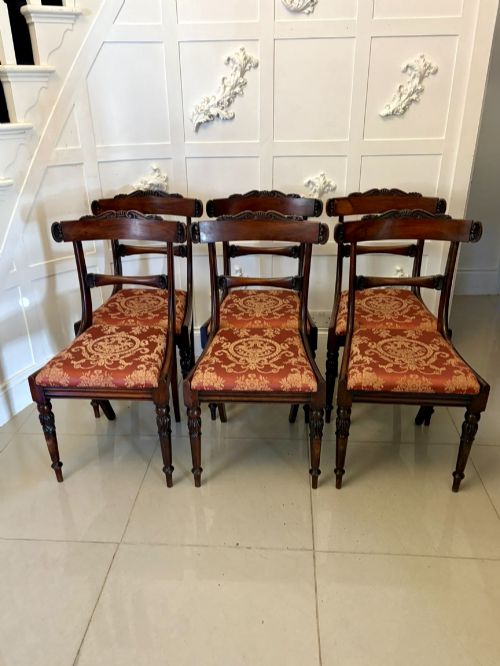
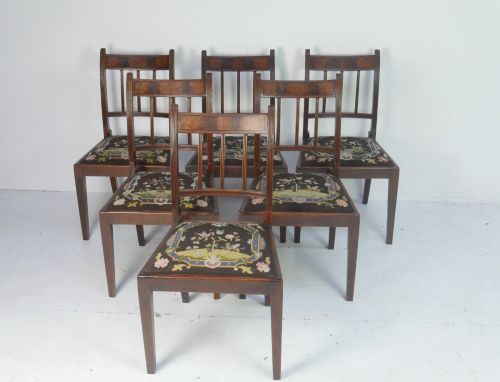
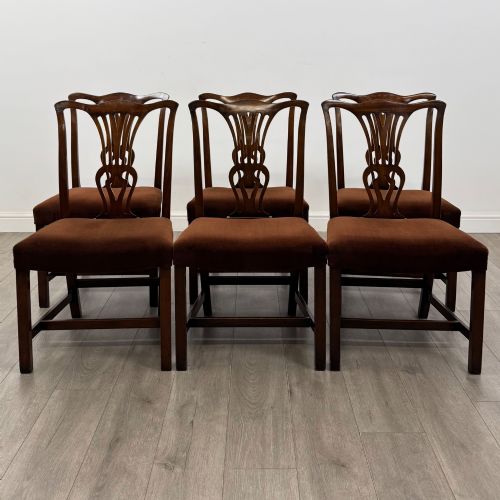
Georgian Period Mahogany Chair
A georgian period mahogany chair brings enduring timber craftsmanship and classic proportion into the daily interior.
Georgian Period Mahogany Chair
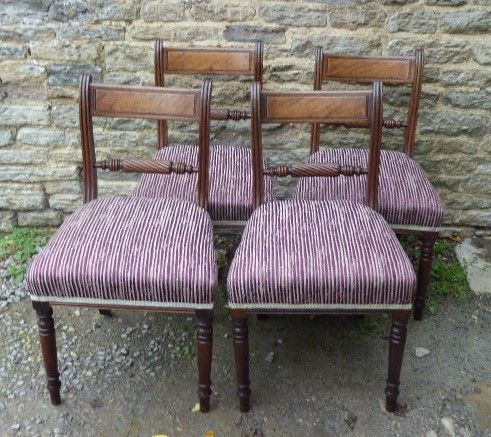
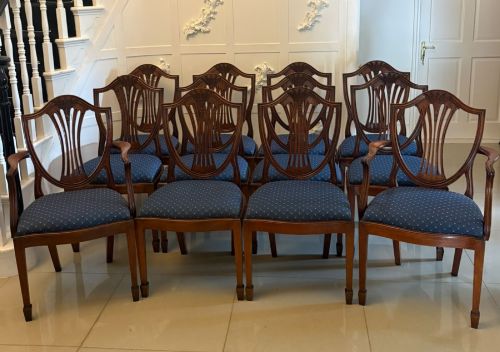
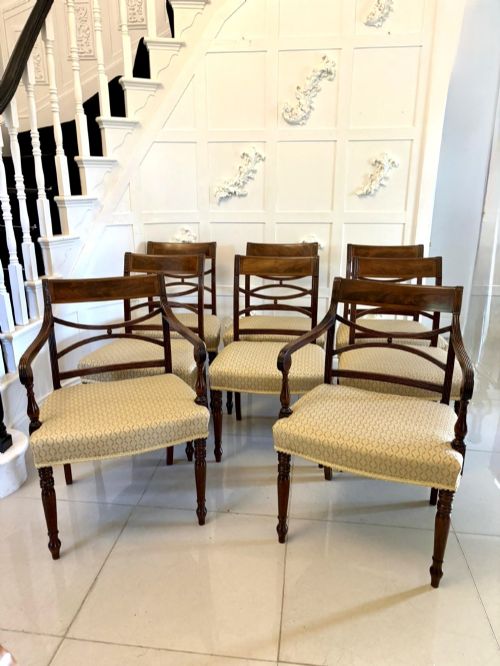
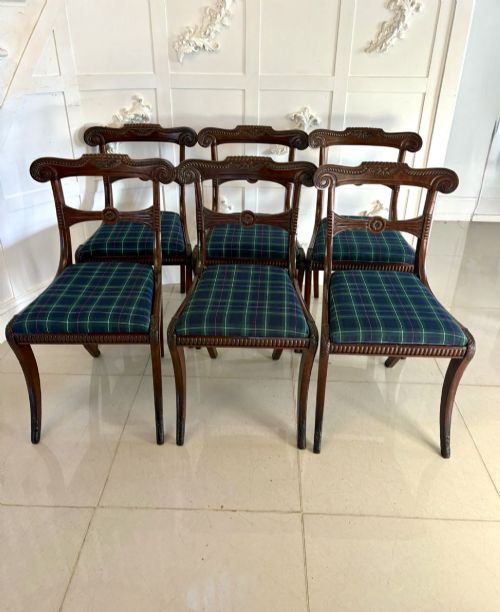
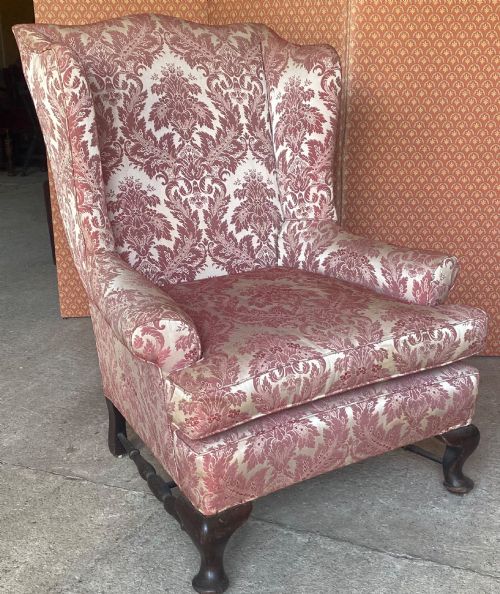
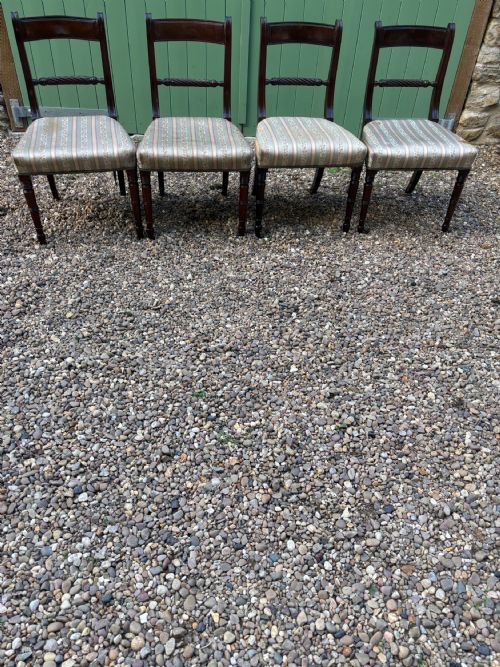
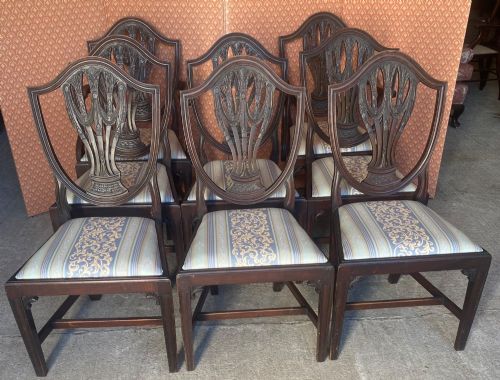
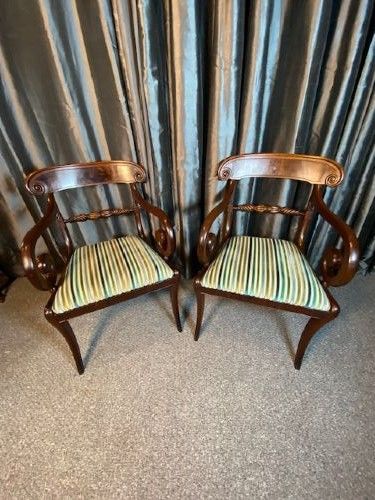
When a buyer investigates a georgian period mahogany chair, they encounter seating spanning the eighteenth and early nineteenth centuries. The listings predominantly feature dining chairs in large sets, alongside library armchairs and open armchairs.
Forms range from simple ladder-backs and bar-backs to elaborate openwork splats influenced by Chippendale, Hepplewhite, and Sheraton designs. Single chairs and carvers appear frequently, often grouped into sets of four, six, eight, or twelve.
Origins stretch across English, Scottish, and Irish workshops, reflecting regional variations in carving depth and structural proportion. The material palette remains anchored in solid mahogany, frequently paired with period textiles, leather, or cane seats.
How they were made
Cabinetmakers utilised dense, dark mahogany timber, prized for its strength in slender carved components like cabriole legs and pierced backsplats. Joinery relied on mortise and tenon construction, secured with pegging to ensure rigidity under daily use.
Upholstery techniques involved webbing and horsehair stuffing retained by traditional canvas, then finished with leather, velvet, or woven fabric secured by brass tacks. Cane seating panels were hand-woven directly into drilled seat frames for resilient flexibility.
Listings feature mahogany alongside supporting materials like brass, cane, and period leather.
What varies in quality
Quality separates through the crispness of hand-carved details, such as acanthus leaves, fretwork, and reeding, where deeper chiselling denotes superior workshop output. The selection of timber grain consistency and the survival of original structural framing also elevate certain pieces above standard production.
Completeness of matched dining sets and the retention of period upholstery materials influence the standing of an item. Greater harmony within larger sets of singles and carvers marks the distinction between ordinary domestic furniture and higher-tier examples.
The Georgian Period Mahogany Chair Glossary
- Carver
- An armchair designed with elbow rests, traditionally placed at the head of a dining table to match surrounding single chairs.
- Splat
- The vertical wooden centrepiece of a chair back, frequently shaped, carved, or pierced in distinct regional and stylistic patterns.
- Bar back
- A horizontal curved wooden slat across the upper chair back, characteristic of Regency seating design.
- Gainsborough chair
- A wide, upholstered armchair with open padded arms and square legs, originating in the mid-eighteenth century.
- Cane
- Woven rattan material utilised for flexible, lightweight seat panels on library and dining chairs.
Georgian Period Mahogany Chair: Frequently Asked Questions
How do I spot a true period piece?
Examine the timber underneath for tool marks, hand-cut joinery, and the heavy weight of dense historical mahogany rather than lighter modern substitutes.
Check for timber shrinkage and consistent wear patterns around the feet and arm supports that confirm genuine age.
Can I use these chairs for daily dining?
Most solid mahogany frames retain robust structural integrity suitable for regular seating at a modern dining table.
Ensure that glue blocks and joints have been checked by a conservator if you plan to use antique sets daily.
What is the difference between single chairs and carvers?
Single chairs are built without arms to allow close placement around dining tables in larger matched sets.
Carvers feature elbow rests and broader proportions, traditionally designated for the host at the table ends.
How do I care for antique leather upholstery?
Old leather benefits from gentle cleaning with specialised saddle soap and periodic application of conservative wax dressings.
Keep antique seating away from direct heat sources and strong sunlight to prevent the dry cracking of historic hides.