





Georgian Period Cutlery
Georgian period cutlery brings refined silver and fitted boxes to the table, offering tangible craftsmanship from past centuries for everyday use.
Georgian Period Cutlery
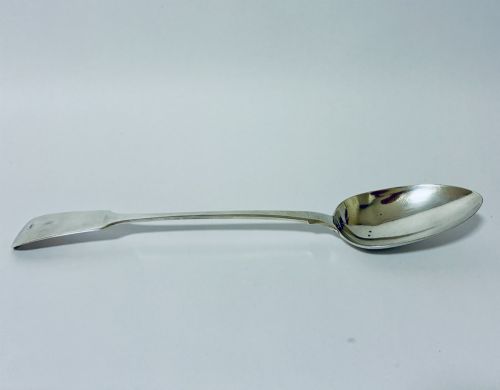
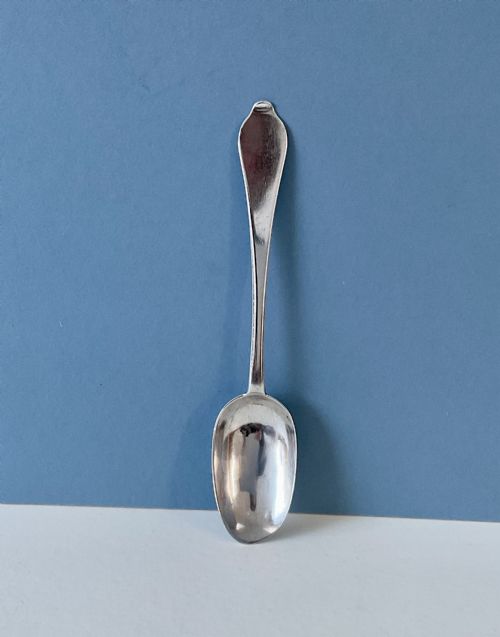
When you search for georgian period cutlery, you encounter a distinct selection of flatware, serving implements, and specialised boxes spanning the seventeenth through the nineteenth centuries. The pieces range from early dognose tablespoons and Britannia silver spoons to later fiddle pattern dessert spoons and soup ladles.
The assortment on this page also includes wooden containers such as mahogany and satinwood knife boxes and stationery boxes associated with the period. These items reflect the domestic dining habits and storage customs of Georgian households.
Materials and construction
The silver items are fashioned from sterling silver, Britannia silver, and solid silver, utilising traditional smithing techniques to shape spoons, ladles, and marrow scoops. Hallmarks and town marks stamped directly into the metal record the origins and assay offices of the pieces.
Storage containers employ timbers such as mahogany and satinwood, constructed with fitted interiors and mounted with silver elements. These boxes combine cabinetmaking skills with metal mounts to protect and present the flatware.
Georgian Period Cutlery Retail Price Guide 2026
Typical asking prices for georgian period cutlery among the pieces listed under this phrase on Sellingantiques today, from the lower quarter to the upper quarter. They describe what is for sale here now, not the wider market.
One satinwood box from seventeen-ninety was converted for stationery, proving Georgian storage items enjoyed versatile second acts.
Evaluating quality and merit
Quality in these items rests upon the crispness of hallmarks, the clarity of engraved family crests, and the preservation of original form without excessive thinning from polishing. Early dates and specific maker marks distinguish standard domestic spoons from exceptional survivals.
For wooden boxes, quality depends on the choice of timber figure, the integrity of the joinery, and the retention of original silver mounts. Pieces that maintain their structural coherence and original purpose command greater interest.
Isaac Davenport
The Georgian Period Cutlery Glossary
- Britannia silver
- A standard of silver stricter than sterling, introduced by Act of Parliament in England to discourage the melting of coinage. It contains a higher proportion of pure silver.
- Dognose tablespoon
- An early form of spoon featuring a rounded tongue or upturned tip on the terminal of the handle. It dominated flatware design around the turn of the eighteenth century.
- Fiddle pattern
- A flatware style characterised by a slender stem that expands into a pointed shoulder above a broader, flat terminal. It gained widespread popularity during the nineteenth century.
- Marrow scoop
- A narrow, trough-like utensil used for extracting marrow from animal bones at the dining table. They typically feature double-ended bowls of differing sizes.
- Slip top spoon
- An early spoon style where the handle stem is cut off at an oblique angle rather than finishing with a distinct knob. This form dates back to Tudor times and saw later revival periods.
Georgian Period Cutlery: Frequently Asked Questions
What is georgian period cutlery?
Georgian period cutlery encompasses silver spoons, ladles, and flatware produced during the eighteenth and early nineteenth centuries, alongside related dining accessories.
These pieces reflect the shifting styles and metallurgical standards of the Georgian era, ranging from early Britannia silver to later fiddle patterns.
How do I identify silver periods?
Identifying the period relies upon reading the hallmarks, town marks, and date letters stamped onto the metal of each piece.
Stylistic indicators such as handle shapes and engraving styles also help place items within the seventeenth, eighteenth, or nineteenth centuries.
What were knife boxes used for?
Knife boxes made of mahogany or satinwood were designed to hold handled cutlery upright on sideboards within wealthy dining rooms.
Many of these lidded containers feature sloping fronts and fitted interiors tailored for specific sets of table knives.
Can I use antique silver daily?
Many collectors and users incorporate Georgian silver flatware into modern dining routines, provided the pieces are washed by hand.
Regular gentle use helps maintain the patina while respecting the structural integrity of the silver.