

Georgian Paper Portrait
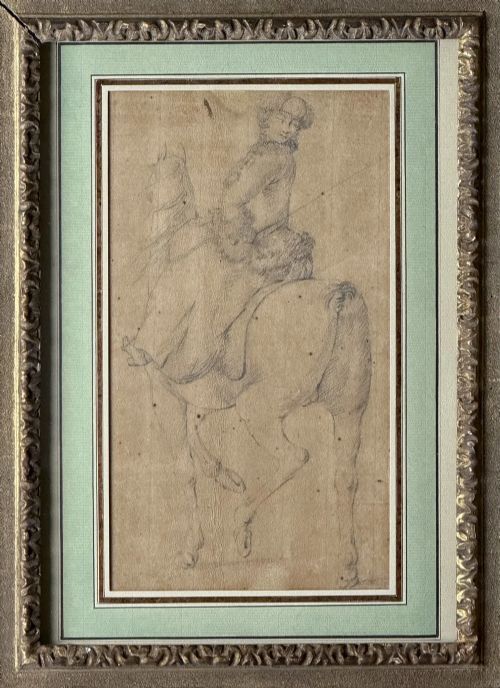
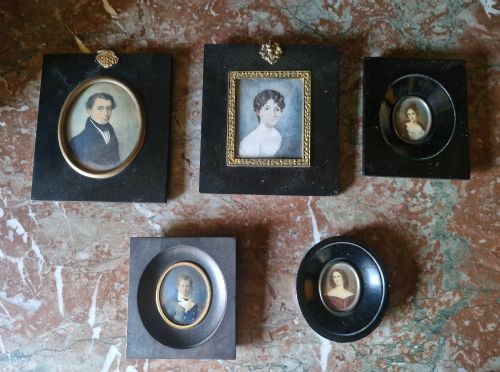
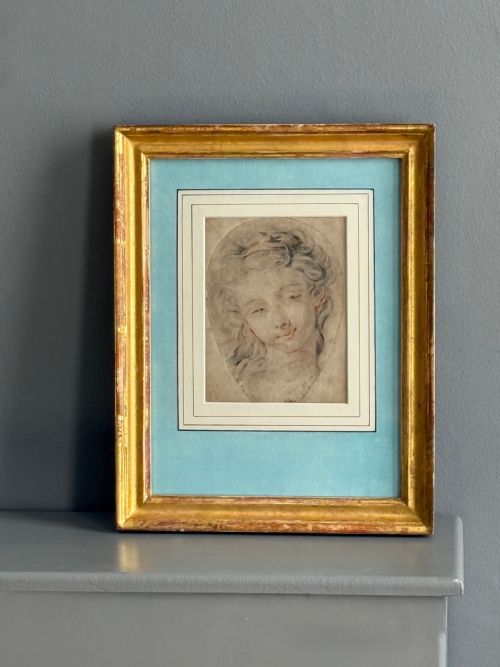
When you search for a georgian paper portrait, you find centuries-old works on paper captured in ink, watercolour, and engraved lines.
Georgian Paper Portrait
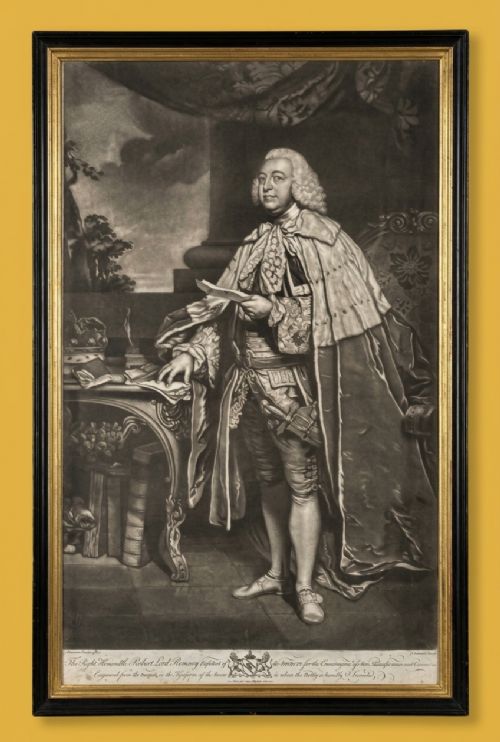
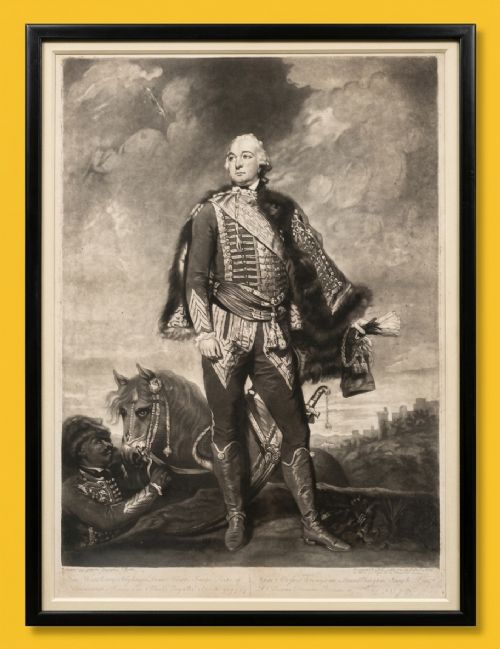
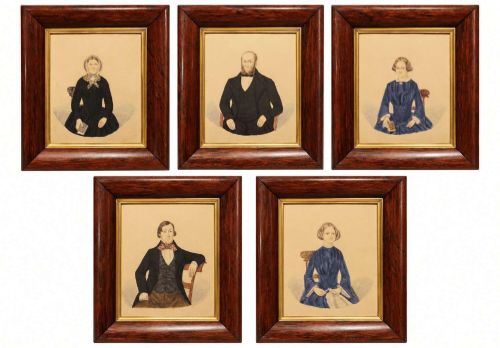
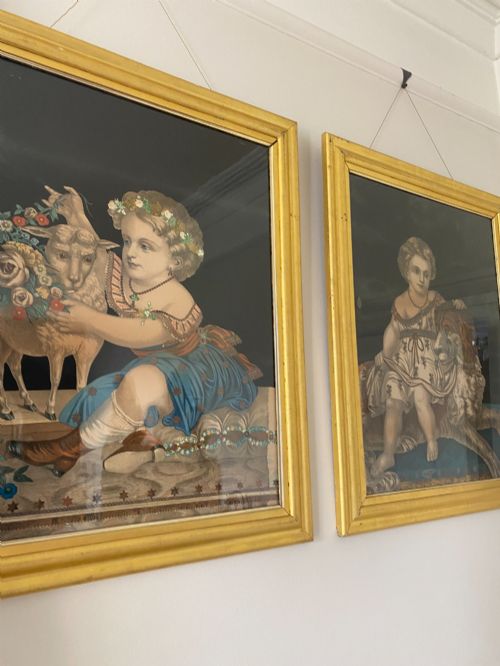
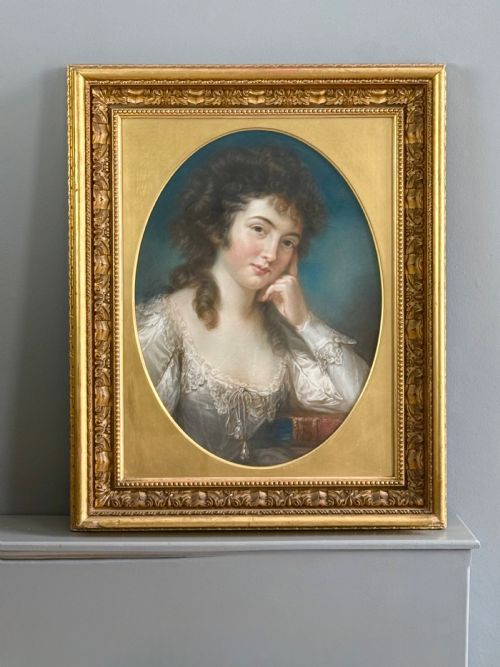
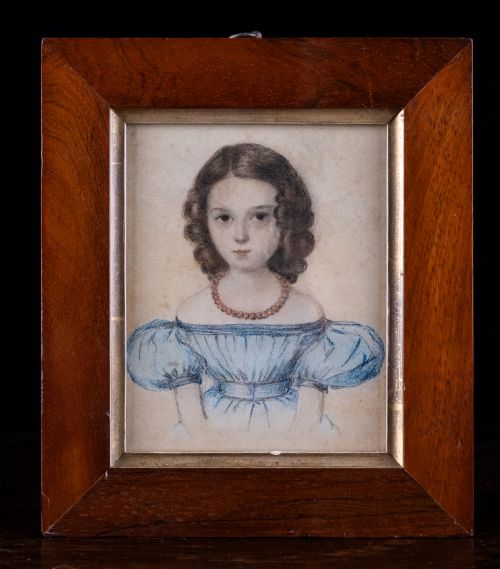
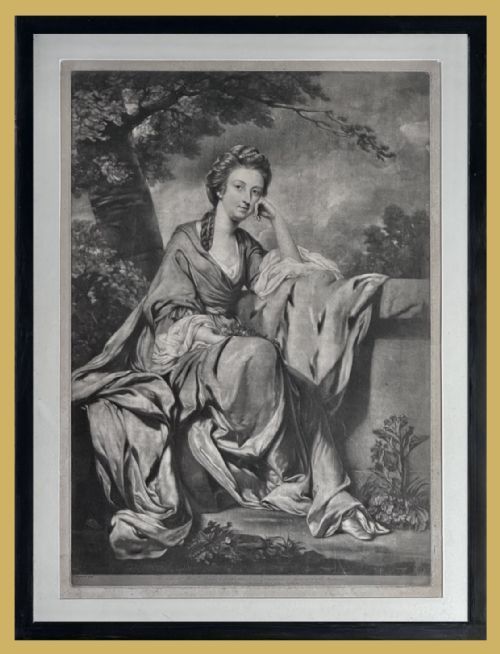
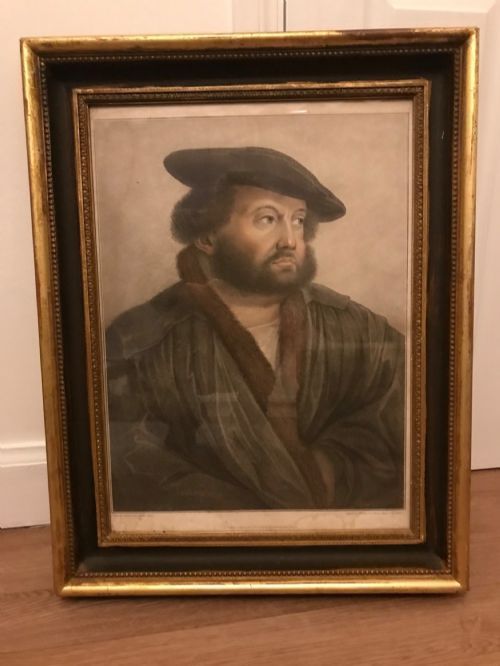
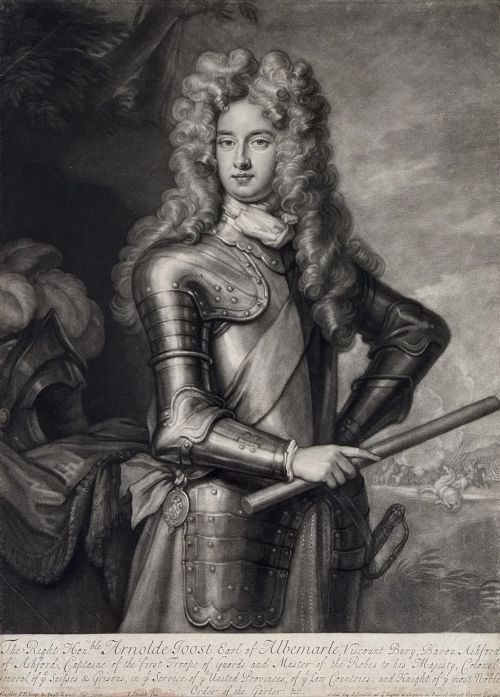
A georgian paper portrait encompasses a diverse selection of works on paper, featuring silhouettes, engravings, mezzotints, watercolours, and pastels created across the eighteenth and nineteenth centuries.
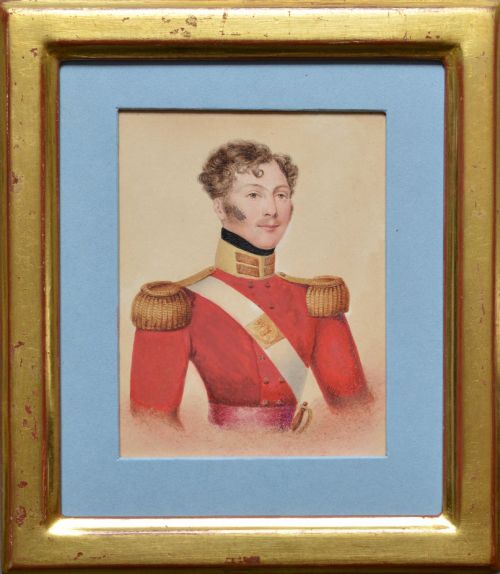
Collectors frequently encounter detailed cut-paper silhouettes, stipple engravings, and fine ink or watercolour studies depicting figures ranging from gentlemen and children to nobility.
The objects span periods from the seventeen-hundreds through the Regency era and early Victorian times, often preserved behind glass within wooden or gilded frames.
Materials and methods
Artists utilised paper as the primary medium, applying ink, watercolour, and pastels to build up delicate likenesses and tonal depth.
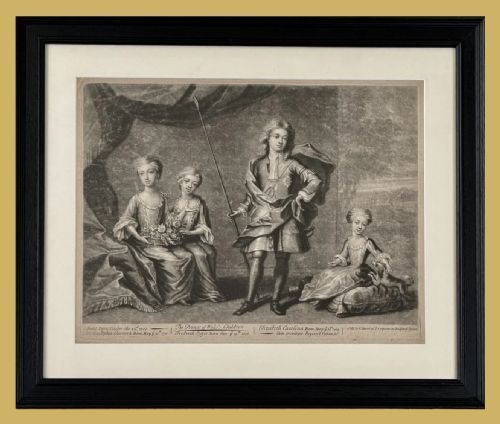
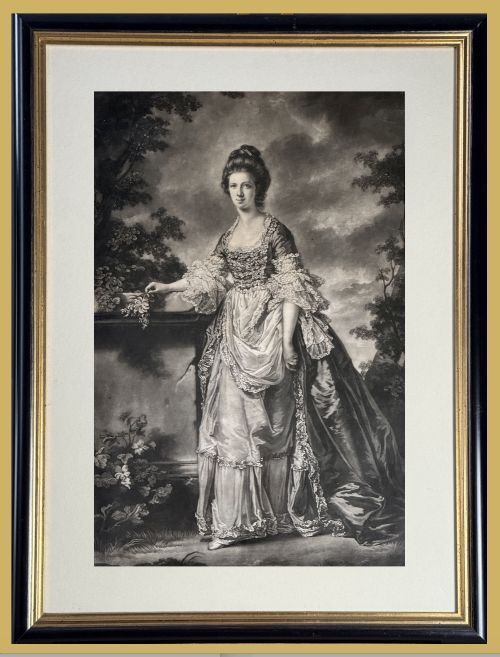
Printmakers employed engraving and mezzotint techniques on plates, transferring detailed portraits onto paper sheets with gold leaf accents sometimes added for enhancement.
Finished works were typically housed behind protective glass within timber frames, including giltwood and gilt wood constructions.
Georgian Paper Portrait Retail Price Guide 2026
Typical asking prices for georgian paper portrait among the pieces listed under this phrase on Sellingantiques today, from the lower quarter to the upper quarter. They describe what is for sale here now, not the wider market.
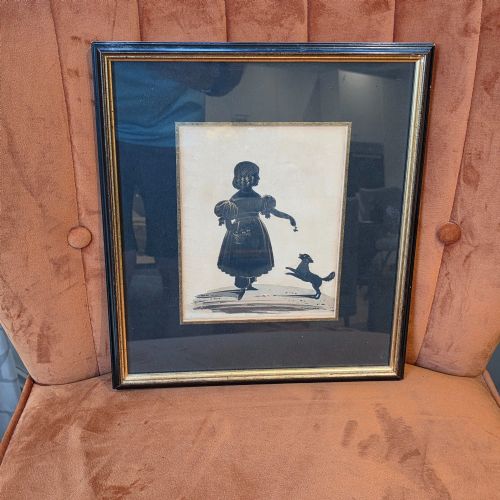
Several silhouettes capture children posing alongside family pets, including birds and horses.
Assessing quality and execution
The finesse of the hand-cut paper edges in silhouettes or the crispness of lines in mezzotint and stipple engravings distinguishes finer examples from simpler prints.
Original period framing using giltwood or wood enhances the preservation and overall presentation of the paper artwork.
John Simon·Michael Dahl·William James Hubard·John Boydell·Pier Francesco Mola·Edward Fisher·Sir Joshua Reynolds·Francesco Bartolozzi·John Smith·G Kneller·James Watson·Edward·W Dickinson·John Russell·James McArdell·Jeremiah Meyer·Thomas Watson·Augustin Edouart·Valentine Green·Maria Hadfield Cosway·Sir Peter Lely·Jacobus Howbraken·Godfrey Kneller·Antoine Pesne·Adam Buck
The Georgian Paper Portrait Glossary
- Mezzotint
- A printmaking process where the copper plate is roughened to achieve rich dark tones and subtle gradations of light. This technique allows for remarkably smooth tonal shifts.
- Silhouette
- A solid dark profile portrait, most commonly cut from black paper or painted against a pale background. These likenesses gained immense popularity during the eighteenth and nineteenth centuries.
- Stipple engraving
- A method of dotting the print surface to create gentle tonal effects and lifelike skin textures. It was widely used for reproducing detailed portraits.
- Pastel
- A dry medium of powdered pigment rolled into sticks, applied to paper to create soft portraits. Works in this medium require glass protection.
- Giltwood
- Wood carved and coated with a thin layer of gold leaf or gold paint. It forms the decorative border of many period frames.
Georgian Paper Portrait: Frequently Asked Questions
What is a georgian paper portrait?
It is an antique artwork on paper created during the eighteenth or nineteenth century, capturing a person's likeness through silhouette cutting, engraving, watercolour, or pastel.
These pieces document historical figures, nobility, and everyday individuals using traditional print and drawing techniques.
How were these portraits displayed?
Most works were mounted behind glass and housed in wooden or giltwood frames to protect the fragile paper from moisture and dust.
Original frames often feature period mouldings that complement the style of the artwork within.
How do I care for antique paper?
Keep portraits away from direct sunlight to prevent the ink, watercolour, and paper from fading over time.
Maintain stable indoor humidity levels and ensure the framing remains sealed to protect the delicate surface.
How do I identify the period?
Examine the clothing styles, hairstyles, and framing techniques, which often reflect the prevailing fashions of the eighteenth century or Regency era.
Signatures, inscriptions on the reverse, and engraving styles also offer clues to the exact date of creation.