





Georgian Panel Chair
A georgian panel chair offers solid timber construction and traditional joinery, bringing period character and sturdy seating to any interior.
Georgian Panel Chair
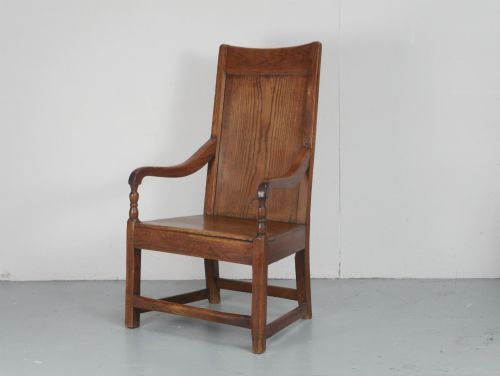
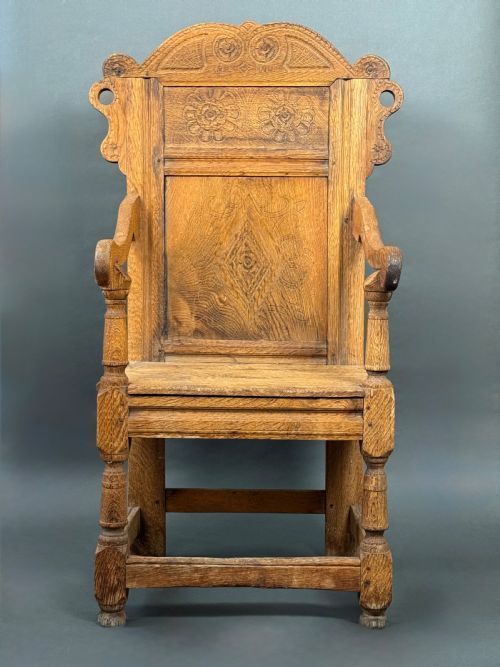
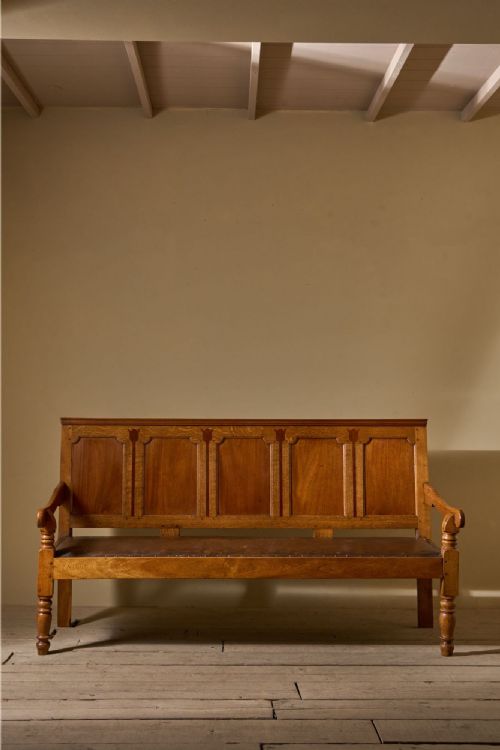
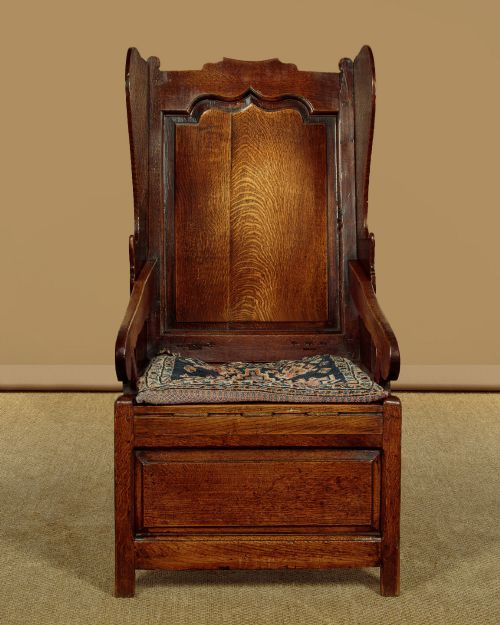
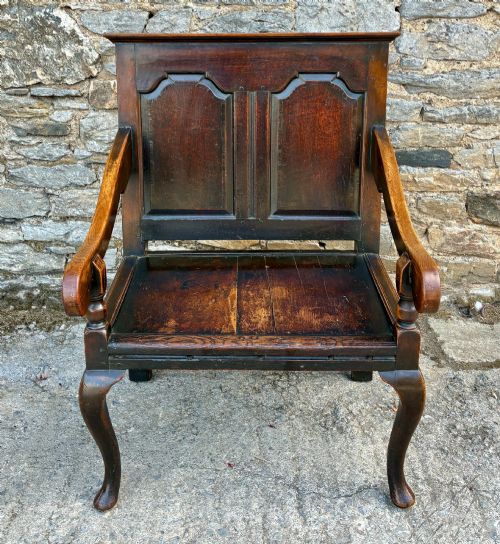
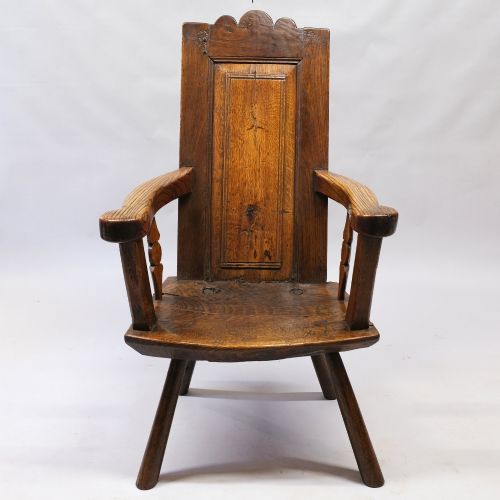
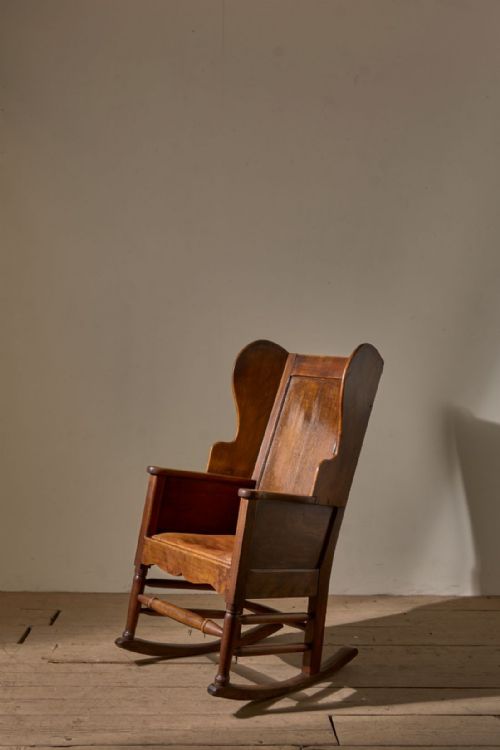
When you search for a georgian panel chair, you encounter robust seating created primarily from timber during the eighteenth and early nineteenth centuries. These pieces encompass wainscot armchairs, settle benches, and vernacular forms originating from English and Welsh country workshops.
The examples on this page span the mid eighteenth century through to the Regency period, demonstrating how regional cabinetmakers adapted classical proportions for domestic utility. You meet sturdy oak frames alongside elm and mahogany variations, reflecting the local timber availability of each maker.
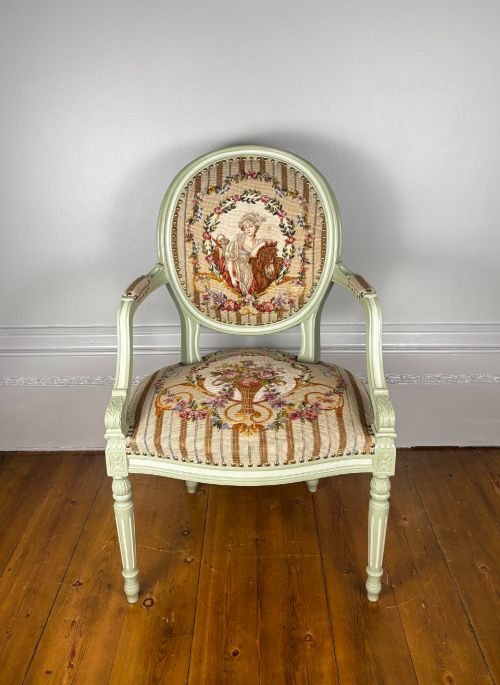
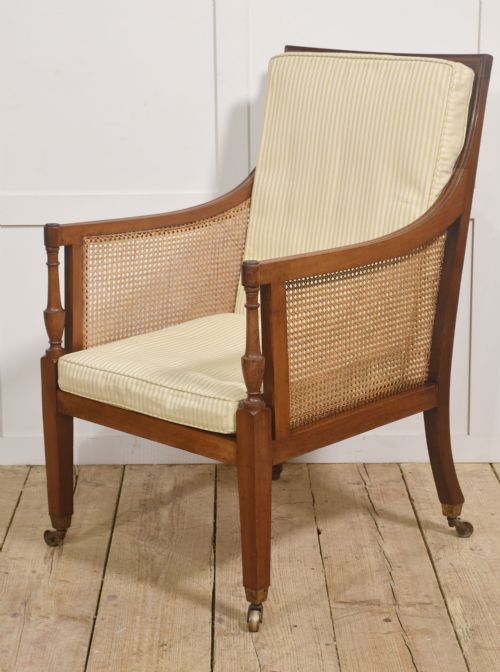
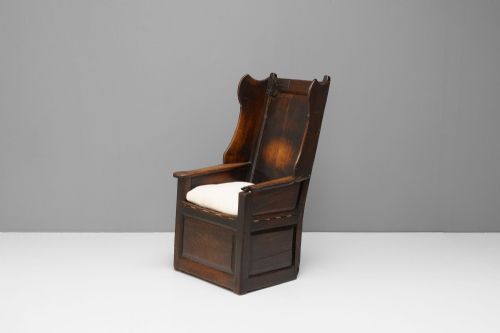
Many of these items feature panelled backs and wooden seats, while others incorporate woven cane or wool tapestry upholstery. Whether considering a high-backed lambing chair or a compact side chair, each survivor displays the functional design characteristic of the era.
Materials and Construction
The construction relies heavily on native hardwoods such as oak and elm, shaped using traditional hand tools and pegged mortise and tenon joints. Makers selected quarter-sawn timber to ensure stability in the large back panels and structural components.
Surface decoration frequently involves simple carved motifs, such as tulip patterns or panel mouldings, executed directly into the solid wood. Where upholstery appears, craftsmen employed brass studs and fabric or wool tapestry to secure coverings over stuffing materials.
Georgian Panel Chair Retail Price Guide 2026
Typical asking prices for georgian panel chair among the pieces listed under this phrase on Sellingantiques today, from the lower quarter to the upper quarter. They describe what is for sale here now, not the wider market.
The inventory combines functional seating with associated paintings and textiles that illustrate domestic interiors of the period.
Assessing Quality and Character
Quality rests upon the integrity of the original timber and the survival of early joinery without excessive replacement parts. Superior examples retain their original panel backs, arm supports, and block feet with minimal structural intervention over the centuries.
The refinement of the carving and the balance of the proportions distinguish standard utility items from finer regional pieces. Well-executed details in the crest rails and arm terminals elevate the visual presence of the seating.
The Georgian Panel Chair Glossary
- Wainscot armchair
- A heavy wooden chair characterised by a panelled back and solid seat, pre-dating the widespread adoption of upholstered seating. This form developed from earlier joinery techniques used in wall panelling.
- Lambing chair
- A draught-excluding armchair featuring high sides and a hooded or panelled back, traditionally utilised near hearths. Many examples incorporate a enclosed base or storage compartment beneath the seat.
- Settle
- A wooden bench with a high panelled back and enclosed arms designed to block cold drafts in domestic halls. They frequently share construction methods with wainscot chairs.
- Mortise and tenon
- A primary joint securing two pieces of wood together by inserting a projecting tongue into a tight cavity, often secured with wooden pegs. This method ensures lasting rigidity in early frames.
- Quarter-sawn
- Timber cut radially from the log, producing a stable board with prominent growth rings that resists warping. This method was preferred for valuable panels.
Georgian Panel Chair: Frequently Asked Questions
How do I care for an oak panel chair?
Keep wooden seating away from direct heat sources and sudden temperature shifts to prevent the timber and joints from drying out.
Apply a microcrystalline wax polish occasionally to nourish the surface and maintain the natural lustre of the aged wood.
Are these chairs comfortable for daily use?
Wooden seats and upright panel backs provide firm, supportive seating rather than the plush comfort associated with modern upholstery.
Adding a loose squab cushion in a complementary textile can improve comfort while preserving the original wooden base.
How can I tell an 18th century chair from a later copy?
Examine the construction methods and the tool marks left on the timber, looking for hand-riven boards and pegged joints rather than modern screws.
Natural wear patterns, oxidation on the wood surfaces, and shrinkage gaps in the panels indicate genuine age.