
Georgian Painting
When you search for georgian painting, you encounter canvases, oils, and miniatures that capture centuries of character through the artist's brush.
Georgian Painting
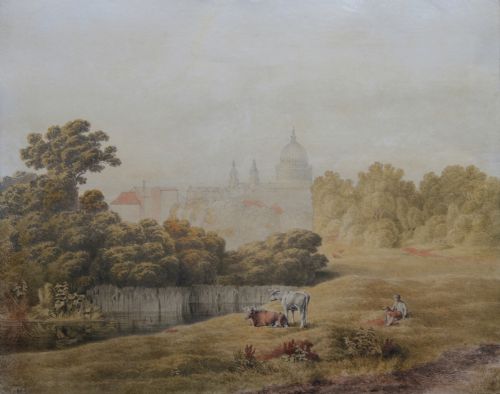
When you search for georgian painting, you find works spanning oils on canvas, portrait miniatures, and wall art from the eighteenth and nineteenth centuries. These pieces record subjects ranging from scholars and officers to grand tour landscapes and intimate family portraits.
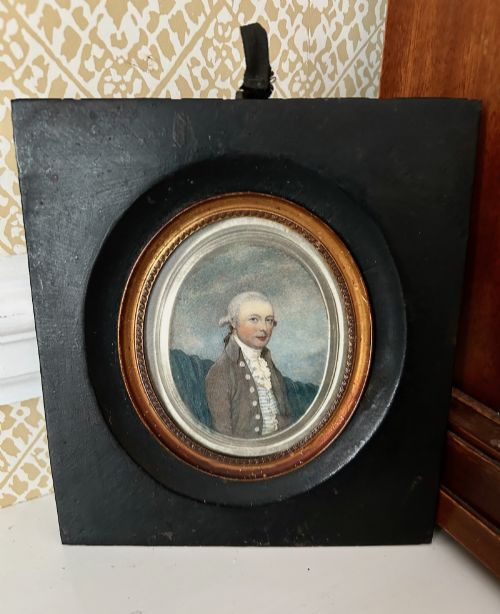
The versions you are most likely to meet on this page include oil on canvas paintings attributed to distinct portrait schools alongside delicate paper or glass miniatures. The selection bridges the Georgian era, Regency period, and seventeenth-century works.
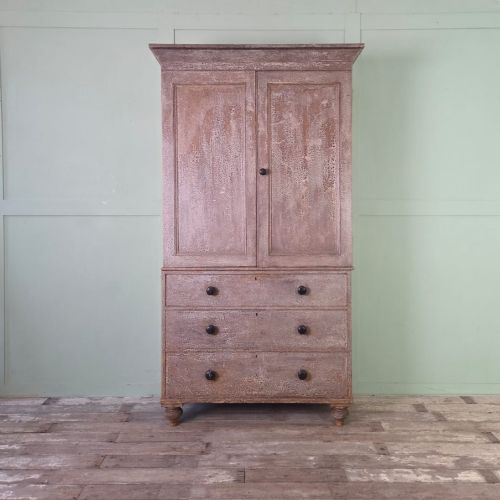
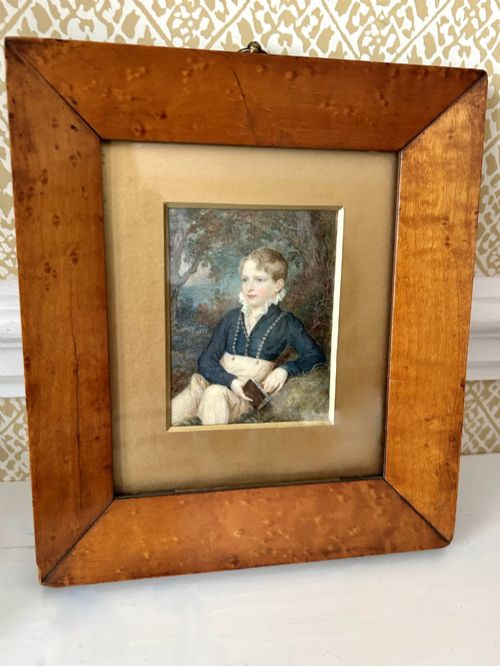
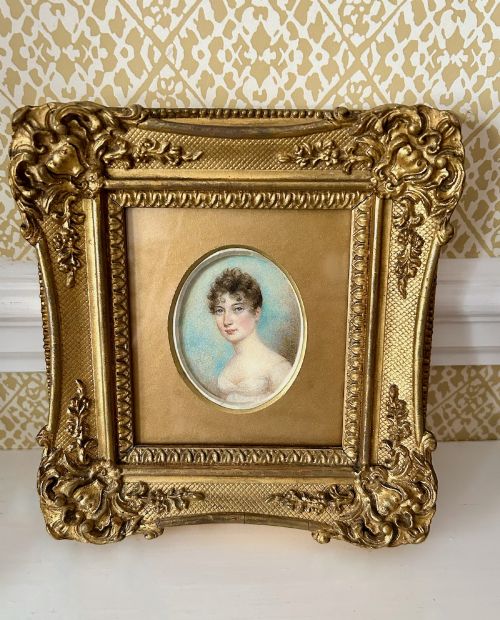
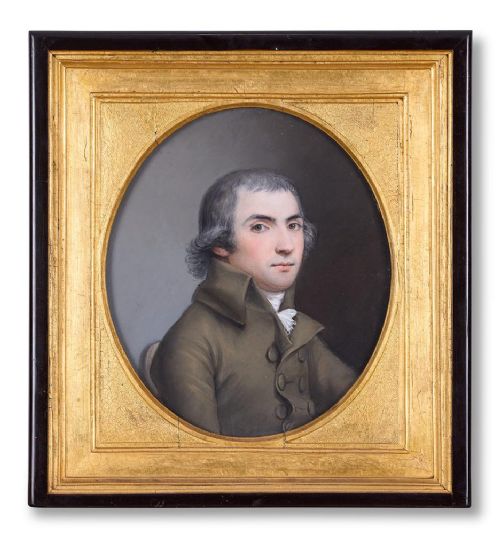
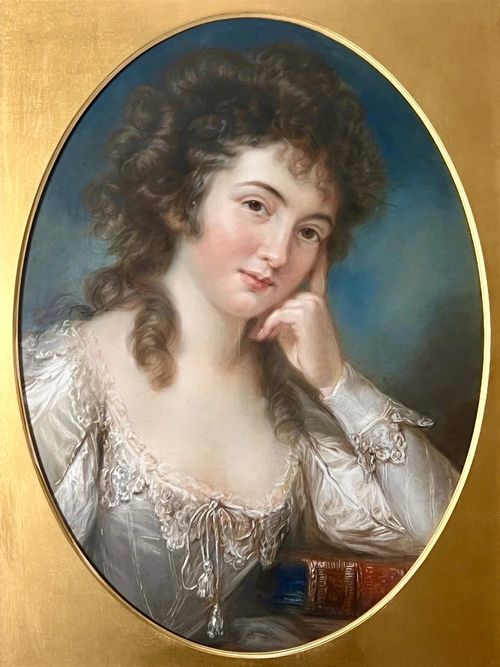
Portraits dominate the selection, showing sitters in detailed dress such as blue wraps, periwigs, and military red coats. Alongside these formal works, buyers encounter vernacular items featuring original naïve paintwork.
Materials and technique
The works rely upon oil on canvas, paper, and glass as their primary substrates for pigment application. Artists utilised fine brushes to build layered portraits and sweeping landscapes with durable oil paints.
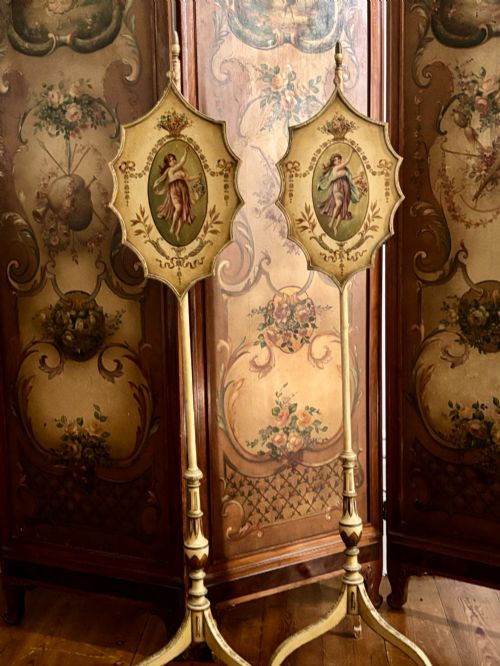
Miniatures employ delicate mediums on paper or reverse painting on glass to achieve minute detail in small formats. Giltwood and frames often accompany the canvas works to complete the physical object.
Listings feature oil on canvas paintings spanning the seventeenth century through the Victorian period, alongside paper and glass portrait miniatures.
What separates the best pieces
The distinction between standard works and exceptional pieces lies in the confidence of the brushwork and the psychological depth of the sitter's expression. Masterful portraiture captures precise facial bone structure, texture in fabrics, and natural light.
Attribution to named artists or established studio circles elevates a painting's standing within the period. The survival of original untouched surfaces and authentic framing further distinguishes superior examples.
Charles Jervas·Michael Dahl·Thomas Murray·Jacob Philipp Hackert·Frederick Buck·Margaret Sarah Carpenter·Robert Byng
The Georgian Painting Glossary
- Oil on canvas
- Pigment mixed with drying oil applied to a woven fabric support stretched over a wooden frame. This method allowed artists to blend tones smoothly and achieve rich coloration.
- Portrait miniature
- A small, highly detailed painting executed on materials such as vellum, paper, or card. These intimate items were often housed in protective cases or worn close to the body.
- Reverse painted on glass
- A technique where the artist paints directly onto the rear surface of a glass sheet so the image is viewed through the front. This creates a glossy finish unique to certain eighteenth-century decorative pieces.
- Grand tour landscape
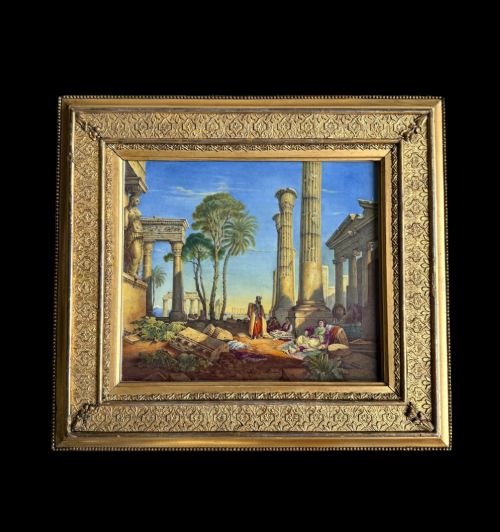
- A pictorial representation of classical ruins and foreign vistas collected by young travellers across Europe. These scenes documented the cultural education of the elite.
- Circle of
- A designation used when a painting shows the distinct hand of an unrecorded artist working closely within the studio style of a master. It denotes strong stylistic ties to a known painter.
Georgian Painting: Frequently Asked Questions
What subjects appear in these paintings?
The subjects include titled aristocrats, military officers, young scholars, and children captured in formal poses. Landscape scenes from continental travels also feature prominently among the selections.
Artists focused heavily on individual identity, recording specific clothing, periwigs, and social status through careful portraiture.
How were portrait miniatures displayed?
Miniatures were created to be held in the hand, worn as personal tokens, or kept in small protective cases on desks. Their portable nature allowed owners to carry likenesses of family members during travels.
The intimate scale required specific viewing conditions, close to the eye, to appreciate the fine stippling and hatching techniques.
How do I distinguish eighteenth-century portrait styles?
Earlier works often display rigid formality, darker palettes, and elaborate wigs associated with late seventeenth and early eighteenth-century portraiture. Clothing details and hair fashions serve as primary indicators for dating.
Later Regency works shift toward softer lighting, looser brushwork, and more naturalistic expressions in the sitters.
How should I care for oil on canvas?
Paintings require stable indoor environments away from direct sunlight and dramatic humidity swings to prevent canvas slackening and paint cracking. Dust should be removed gently from the surface with a soft, dry brush.
Harsh cleaning chemicals must be avoided entirely to preserve the original varnish layers applied by the artist.