




Georgian Occasion Table
A georgian occasion table offers versatile surface space with refined proportions, making it an essential addition to any period interior.
Georgian Occasion Table
A georgian occasion table encompasses a variety of flexible small-scale furniture forms intended for specific domestic tasks throughout the eighteenth and early nineteenth centuries.
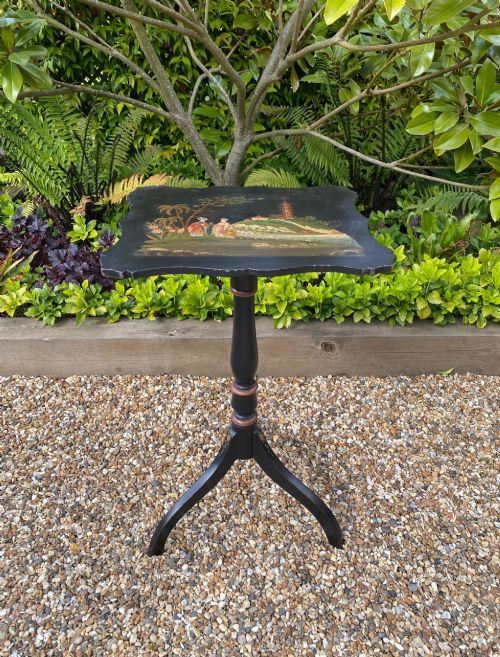
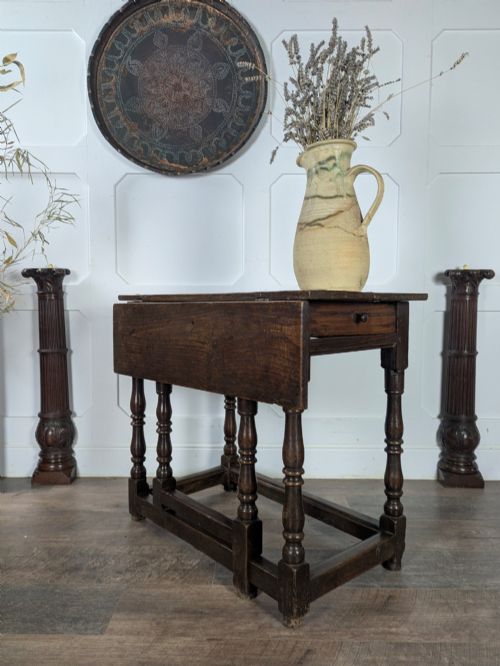
The pieces appearing on this page range from Pembroke and gateleg tables with drop leaves to tripod wine tables, dumb waiters, and tilt-top supper tables.
Makers produced these tables in regional oaks and fruitwoods as well as imported timbers like mahogany, reflecting both urban cabinet-making traditions and country workshop practices.
Materials and Technique
Cabinet-makers relied heavily on dense tropical hardwoods such as mahogany alongside native timbers like oak, elm, and fruitwood to build sturdy frames and tops.
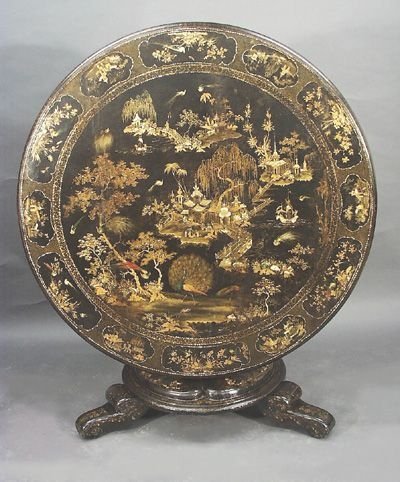
Tripod bases and tilting mechanisms required precise joinery, while decorative examples incorporated lacquer, paint, and japanning to achieve oriental Chinoiserie effects.
Drop-leaf and gateleg variants utilised hinged flaps supported by swinging legs, allowing tables to fold away when floor space was needed.
Georgian Occasion Table Retail Price Guide 2026
Typical asking prices for georgian occasion table among the pieces listed under this phrase on Sellingantiques today, from the lower quarter to the upper quarter. They describe what is for sale here now, not the wider market.
Many tilt-top tables spent their idle hours posing as modest wooden pillars against the parlour wall.
Quality and Distinction
The sophistication of the timber selection dictates the standing of a piece, with figured Cuban mahogany and crisp fruitwood carvings sitting above simpler provincial oak.
Execution of mechanical elements, such as birdcage actions on tilt-top tables and smooth hinge movements on Pembroke tables, demonstrates the skill of the original workshop.
Proportion and the retention of original surface patination separate standard utility furniture from exceptional cabinet-maker productions.
Gillows·John Bivins
The Georgian Occasion Table Glossary
- Pembroke table
- A small drop-leaf table with hinged flaps on either side, often fitted with a small drawer.
- Tilt-top table
- A table with a top mounted on a catch and pivot mechanism allowing it to rotate and store vertically against the wall.
- Gateleg table
- A drop-leaf table where the leaves are supported by hinged legs that swing out like a gate.
- Dumb waiter
- A tiered piece of freestanding furniture featuring revolving or stationary circular shelves used for serving food and drink.
- Birdcage
- A timber framework beneath the top of a tripod table that permits both tilting and revolving movements.
Georgian Occasion Table: Frequently Asked Questions
What is a georgian occasion table used for?
These versatile tables served multiple domestic purposes, acting as temporary surfaces for tea, reading, writing, or holding lamps.
Smaller tripod wine tables and kettle stands moved easily around a room to support refreshments during social gatherings.
Where should I place one at home?
A compact occasional table fits easily beside a sofa or armchair, or in a hallway as a stand for small decorative objects.
Tripod tables work particularly well in corners where a rectangular table might block foot traffic.
How do I distinguish oak from mahogany examples?
Oak tables generally present a lighter, golden-brown tone with prominent grain figuring, pointing towards earlier provincial or country workshops.
Mahogany items display a deeper reddish-brown hue and finer grain, typical of urban cabinet-making traditions.