


Georgian Low Table
When you search for a georgian low table, you enter a world of sturdy oak lowboys, country furniture and dark mahogany occasional pieces.
Georgian Low Table
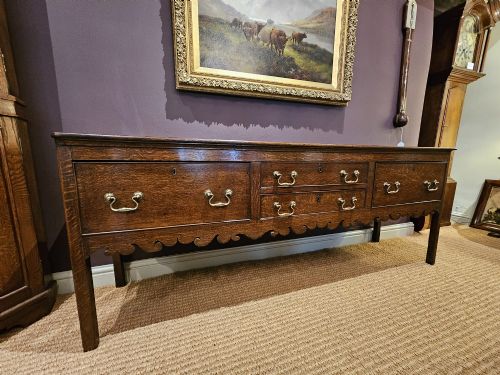
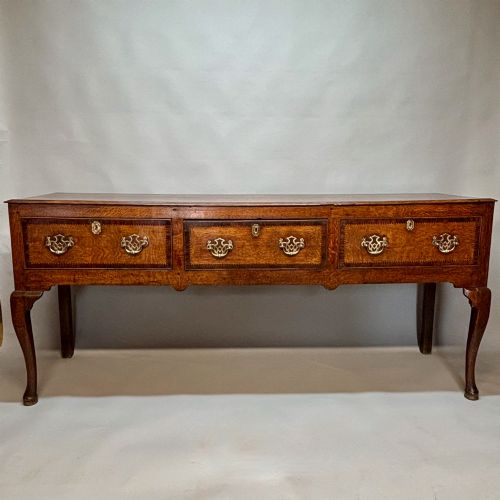
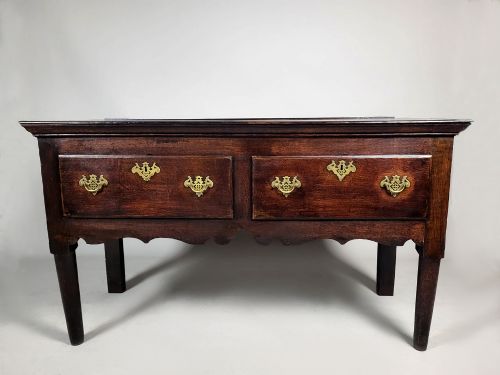
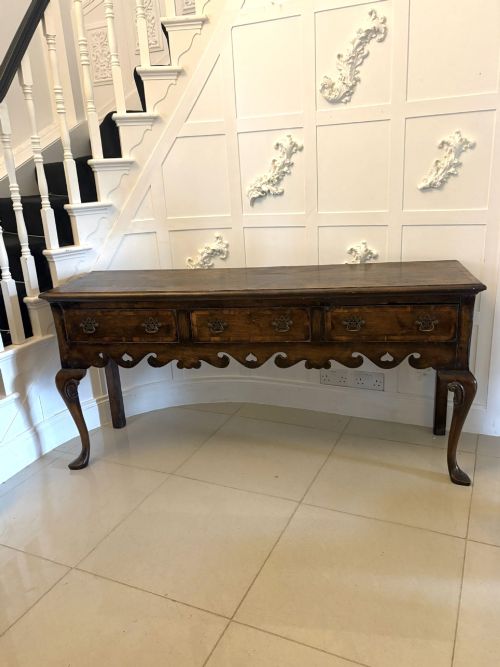
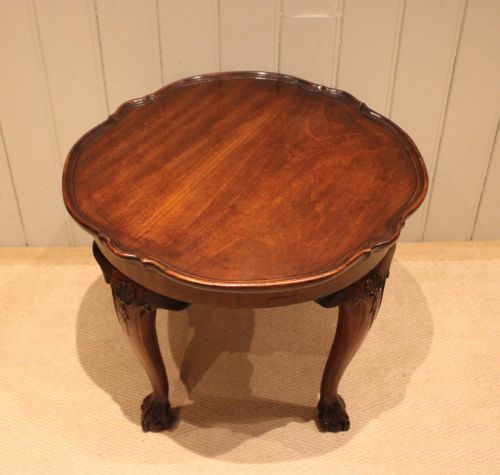
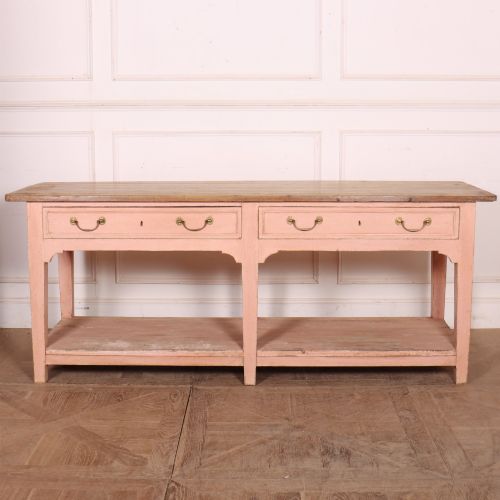
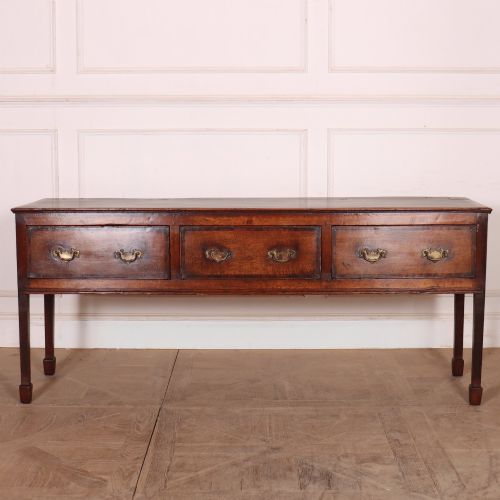
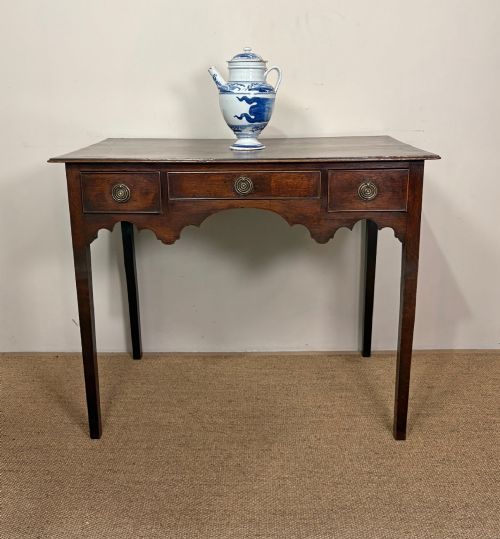
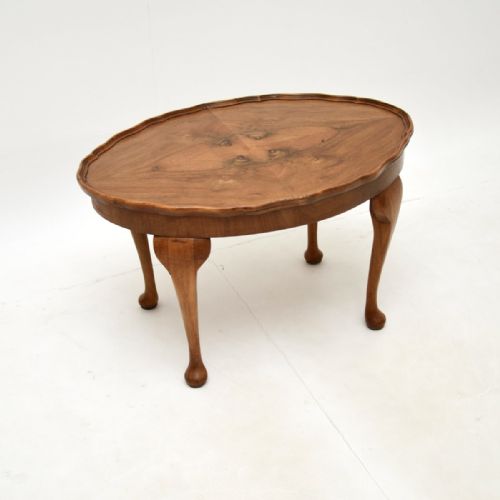
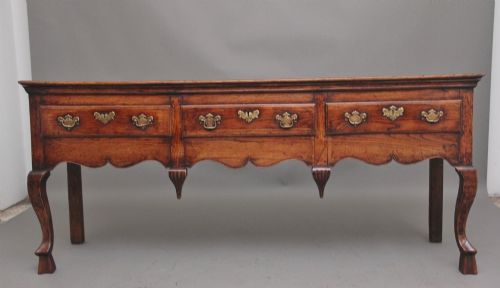
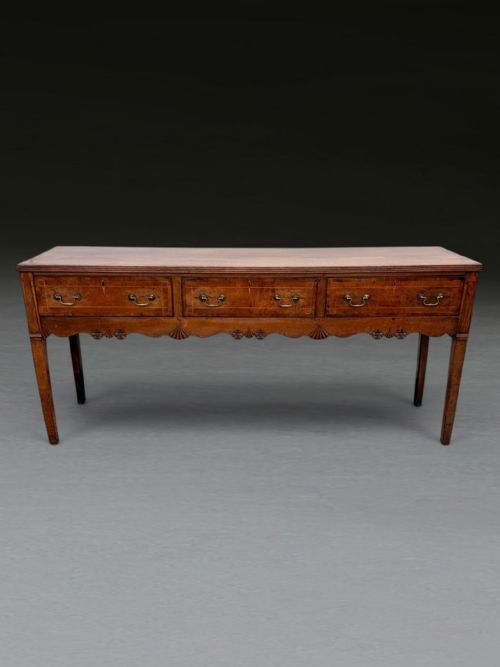
A georgian low table typically encompasses pieces such as oak lowboys, low side tables, and occasional furniture rooted in the eighteenth century and the broader Georgian era. Buyers encounter low tables adapted from larger forms, alongside purpose-built lowboys equipped with drawers for writing or dressing.
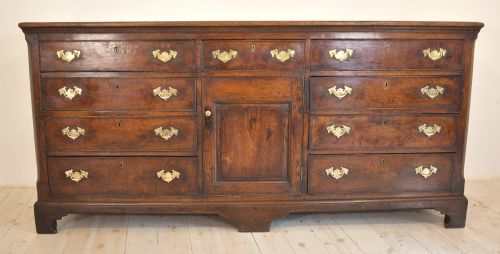
The selection frequently spans regional English and Welsh country pieces in solid oak and elm, as well as refined mahogany and walnut examples echoing George III or Regency designs. Later revivals from the twentieth century also appear, offering similar low proportions and timber construction.
How They Were Made
Cabinet makers relied predominantly on native timbers like oak, elm and walnut for provincial pieces, turning to imported mahogany for more formal urban commissions. Joinery involved traditional methods, with pegged mortise and tenon frames, hand-cut dovetails for drawer construction, and occasional brass hardware.
Surfaces were finished with natural oils and waxes to highlight the grain, while finer tables utilised decorative veneers such as burr walnut and yew wood over secondary pine or oak carcases.
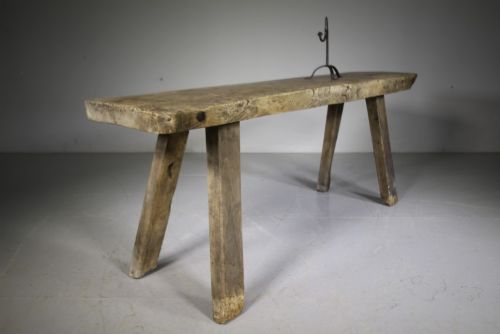
Several sturdy oak pig benches appear among the tables, repurposed from agricultural use into low coffee tables.
What Varies in Quality
Quality rests heavily on the integrity of the timber and the honesty of the construction, distinguishing untouched country pieces from heavily restored examples. Original brasses, uncompromised drawer linings, and minimal structural alterations elevate a piece significantly.
Proportion and execution of detail set fine metropolitan work apart from provincial items, though provincial pieces retain appeal through regional character and untouched patination.
Gillows
The Georgian Low Table Glossary
- Lowboy
- A small oak or mahogany table with drawers, originally used as a dressing or writing table. These low pieces sit comfortably as modern side or coffee tables.
- Potboard
- An open slatted lower shelf found beneath dresser bases, historically used for storing pots and pans. It adds structural stability close to the floor.
- Pie Crust
- A carved, raised, undulating rim around the edge of a round tabletop. This decorative edging requires skilled hand-channelling from solid timber.
- Cross Stretcher
- Wooden bars connecting the legs near the base in an X-shape to provide rigidity. They often feature a central boss or decorative turning.
- Cabriole Leg
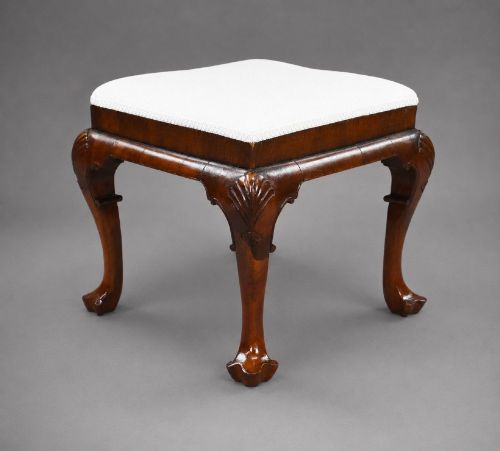
- A furniture leg that curves outward and then tapers inward, mimicking an animal's hind leg. This classical shape frequently terminates in pad or club feet.
Georgian Low Table: Frequently Asked Questions
What was a lowboy used for originally?
A lowboy served as a personal dressing table or small writing desk in eighteenth-century bedchambers. They provided a compact surface with convenient drawer storage for daily essentials.
Today, their height makes them exceptionally versatile as lamp tables, hall stands, or low coffee tables in contemporary reception rooms.
How do I identify a genuine period piece?
Examine the construction methods, tool marks inside the drawers, and the natural ageing of the timber. Hand-cut dovetails and pegged joints indicate traditional workshop production before mass manufacturing.
Matching the timber shrinkage and surface patination across the entire piece helps confirm its age and historical integrity.
Can I use these low tables daily?
These pieces were built from solid hardwoods like oak, mahogany and walnut to withstand generations of household use. Routine dusting and occasional waxing keep the timber nourished and protected against everyday wear.
Using coasters and placing them away from direct heat sources ensures the antique finish remains resilient under modern conditions.
Why do some tables have altered heights?
Earlier tables, particularly larger dining or serving pieces, were occasionally lowered by earlier generations to suit changing domestic fashions or seating habits. Such alterations are recorded in descriptions noting lowered or adapted proportions.
While purists prefer untouched heights, lowered tables often function perfectly as custom coffee tables today.