



Georgian Lighting Fixtures
Georgian lighting fixtures bring warmth and architectural presence to a room through centuries of metalwork and glass design.
Georgian Lighting Fixtures
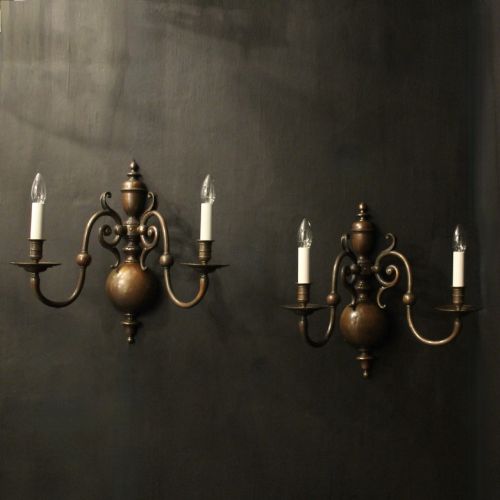
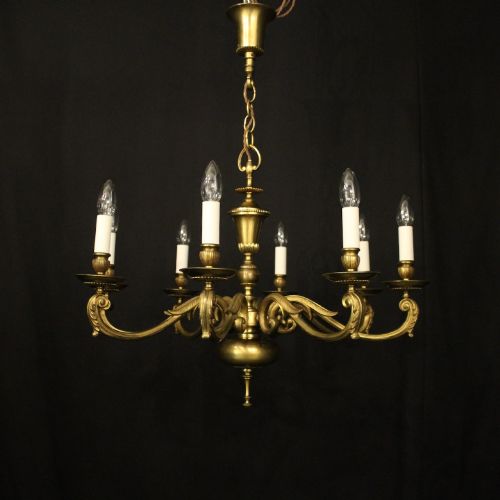
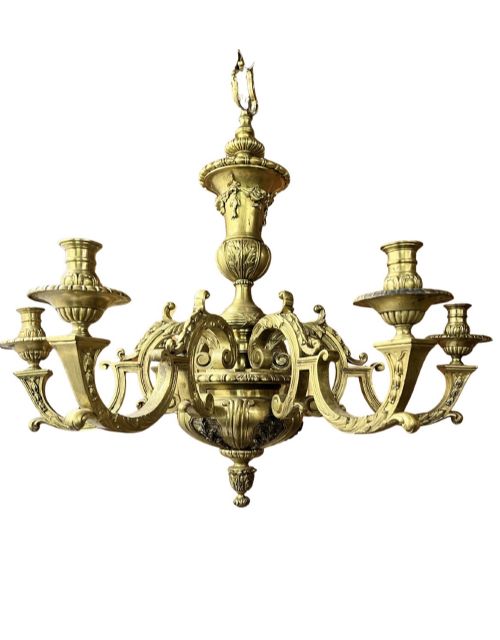
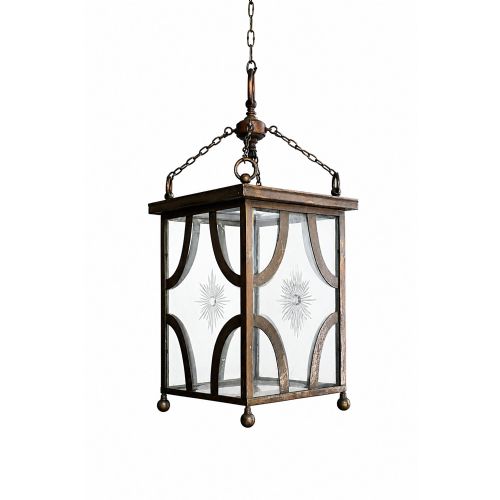
When you search for georgian lighting fixtures, you are looking at substantial hanging and wall-mounted illumination designed to anchor a traditional interior. These pieces range from grand multi-armed chandeliers to directional wall lights and hallway lanterns.
You are most likely to meet metal and crystal constructions spanning multiple centuries, often pairing period forms with later adaptations. The selection includes Dutch brass branches alongside English cut glass tent and bag arrangements.
The objects serve as both functional illumination and focal points of interior architecture. Their forms draw the eye upward and reflect natural or candle light across high-ceilinged spaces.
How they were made
Makers shaped these fixtures using cast and gilded brass, heavy bronze, and polished metal frameworks. These foundational metals provided the structural integrity required to support complex multi-light arrangements.
Glass and crystal elements were integrated through hand-cut drops, tents, and bags designed to refract illumination. Silver plating and silver gilding were also applied to metal surfaces for heightened visual depth.
Georgian Lighting Fixtures Retail Price Guide 2026
Typical asking prices for georgian lighting fixtures among the pieces listed under this phrase on Sellingantiques today, from the lower quarter to the upper quarter. They describe what is for sale here now, not the wider market.
Some fixtures required two tiers of branches simply to hold enough candles for a proper British winter evening.
What varies in quality
The distinction between standard and superior pieces rests on the weight of the metalwork and the precision of the casting. Heavier cast brass and detailed bronze components indicate a higher standard of manufacture.
The clarity and cut of the glass elements also dictate the upper tier of the range. Hand-cut crystal drops with sharp facets create a more sophisticated play of light than plain moulded glass.
The Georgian Lighting Fixtures Glossary
- Chandelier
- A branched ceiling-mounted lighting fixture designed to hold multiple candles or bulbs. These large objects form the central focus of a room.
- Hall lantern
- An enclosed hanging light created specifically for entrance halls and corridors. They direct illumination downwards while protecting the flame from drafts.
- Tent and bag chandelier
- A lighting style featuring a conical upper section of glass drops above a gathered bag-shaped lower basket. This design maximises light refraction through layered crystal.
- Wall light
- A bracketed fixture mounted directly to a vertical surface to provide lateral illumination. They often mirror the materials and arm configurations of larger central chandeliers.
Georgian Lighting Fixtures: Frequently Asked Questions
Where should I hang a large chandelier?
These fixtures suit rooms with generous ceiling heights, such as reception spaces, large entrance halls, and formal dining areas. Their substantial drop requires adequate clearance below.
Positioning them centrally allows the metalwork and glass to balance the proportions of the surrounding architecture.
How do I clean crystal and glass elements?
Maintenance involves gentle wiping with a soft, lint-free cloth and mild cleaning solutions suited to glass. Avoid harsh chemical sprays that might damage metal surfaces or silver plating.
Regular dusting preserves the refractive quality of the cut glass drops and tent arrangements.
Can these period fixtures use modern electricity?
Most surviving examples have been adapted for modern electrical wiring while retaining their external period appearance. Internal channels are often modified to house modern lamp holders safely.
Professional installation ensures the heavy metal frameworks are securely anchored to ceiling joists.
What defines the Georgian style in lighting?
The style relies on symmetrical metal branches, classical proportions, and balanced arrangements of brass or bronze. Later interpretations often reproduce these formal characteristics.
Details such as cast scrollwork and tiered arms define the aesthetic lineage of the pieces.