

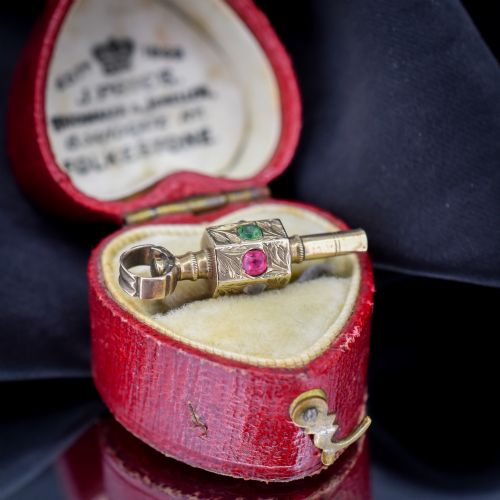
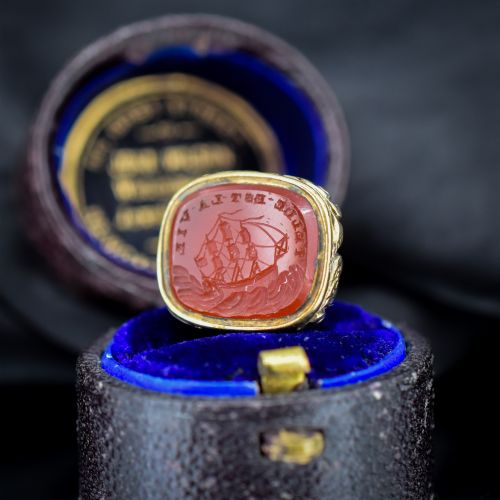
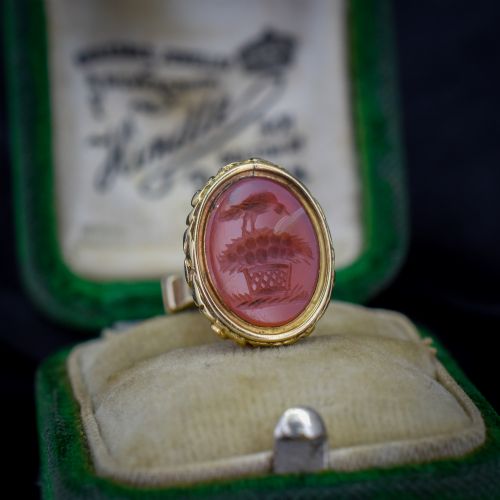
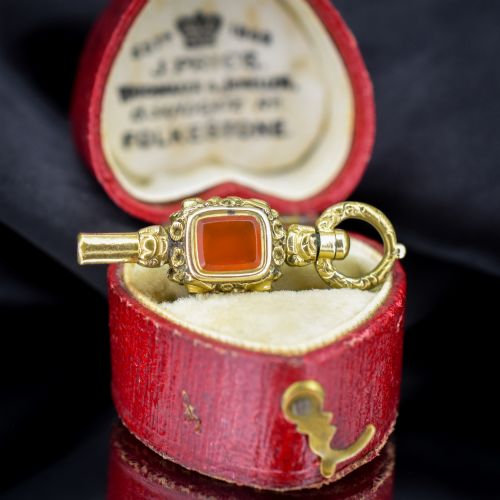
Georgian Jewelry
Georgian jewellery comprises rings, brooches, earrings, and pendants crafted in gold, silver, and paste glass during the 18th and 19th centuries.
Georgian Jewelry
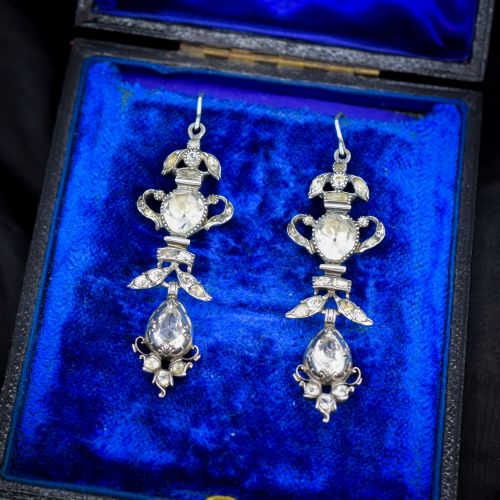
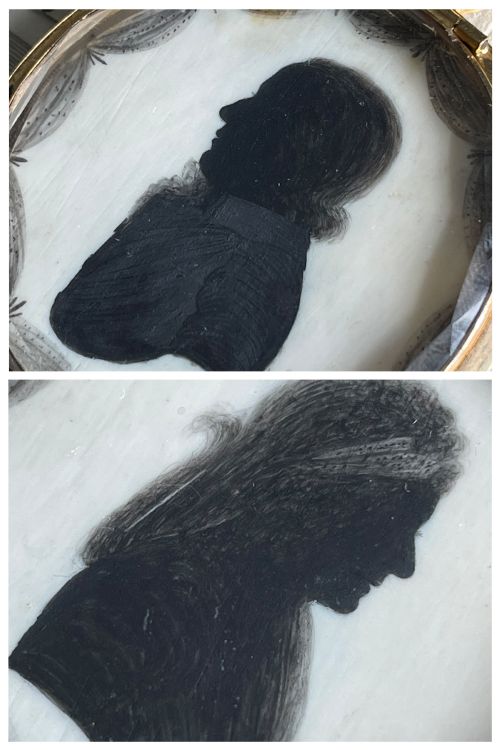
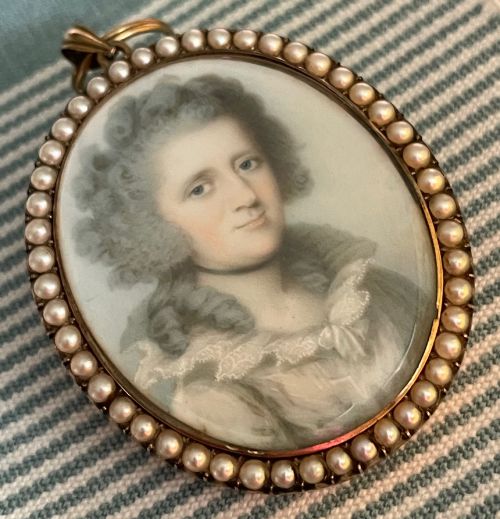
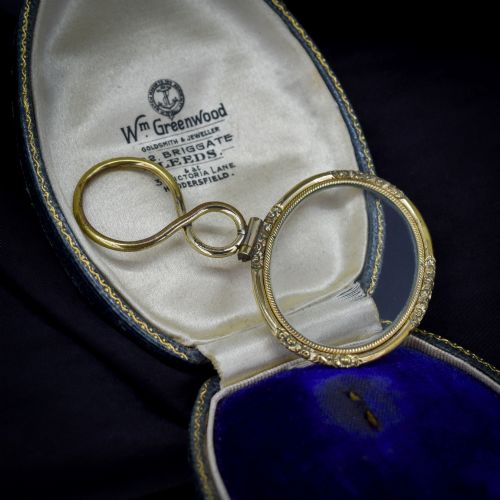
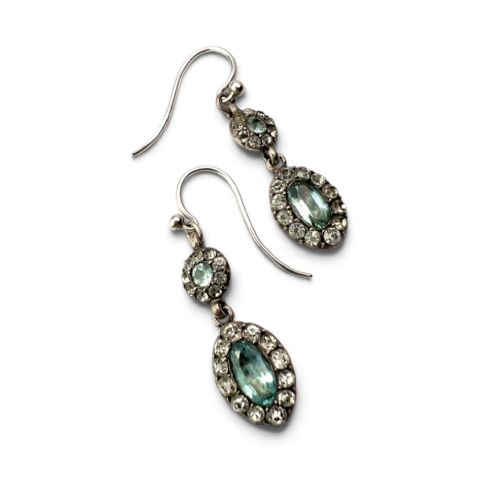
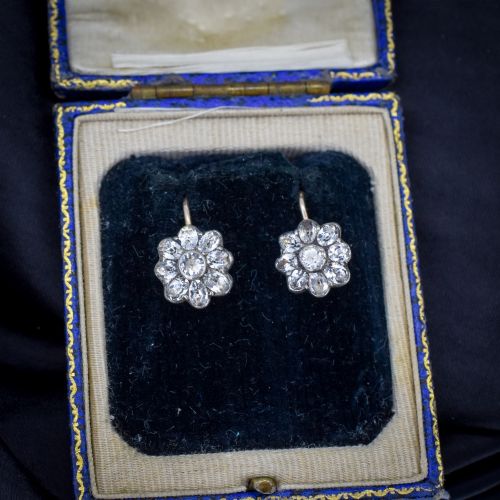
When you search for georgian jewellery, you encounter personal ornaments that span the Georgian, Regency, and early Victorian periods. The selection includes diamond cluster rings, paste drop earrings, gold intaglio rings, and mourning lockets containing hair or enamel.
These items reflect the personal adornment of the late eighteenth and early nineteenth centuries. Rings, brooches, and pendants form the primary objects available, often featuring hand-cut gemstones and intricate metalwork.
The materials mirror the manufacturing practices of the era, combining precious metals with organic elements and glass substitutes like paste. Each piece survives as an example of historical craftsmanship intended for daily wear or special occasions.
Materials and construction
Makers utilised gold, sterling silver, and brass to form the structural mounts for stones and settings. Stones such as diamonds, paste glass, agate, turquoise, and carnelian were hand-set into closed-back or open-backed metal mounts.
Techniques included foil backing behind paste glass to enhance luminosity, hand-engraving on seal fobs and rings, and delicate wirework for split rings and chains. Metal components were frequently shaped by hand rather than cast industrially.
Georgian Jewelry Retail Price Guide 2026
Typical asking prices for georgian jewelry among the pieces listed under this phrase on Sellingantiques today, from the lower quarter to the upper quarter. They describe what is for sale here now, not the wider market.
Listings feature gold, silver, paste glass, and diamonds across rings, brooches, earrings, and pendants from the eighteenth and nineteenth centuries.
Factors that determine quality
The standard of gem-cutting and the integrity of the metalwork distinguish finer examples from standard workshop output. Hand-cut stones display irregular facets characteristic of period handiwork, while superior metal settings exhibit precise chasing and secure stone retention.
Condition plays a central role, particularly the survival of original foil backings in paste items and the absence of repairs to delicate gold filigree or silver mounts. Intact seals, original clasps, and legible hand-engraving elevate the merit of rings and fobs.
The Georgian Jewelry Glossary
- Fob
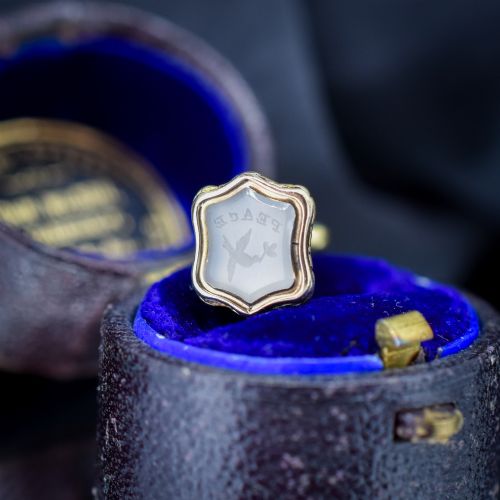
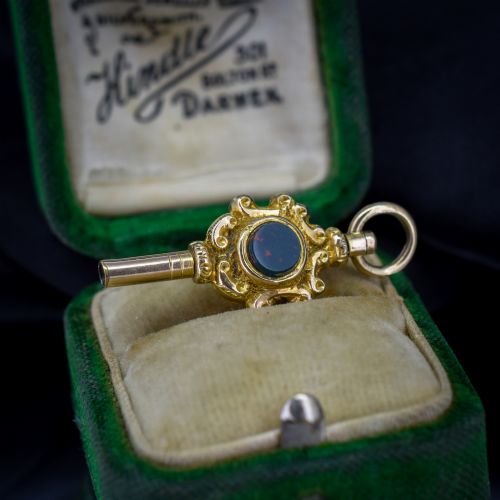
- A small decorative pendant attached to a pocket watch ribbon or chain. These often incorporate hardstones like carnelian or agate with carved intaglios.
- Intaglio
- A gem or seal carved with a sunken design. They served as personal signets for stamping wax.
- Foil backing
- A thin sheet of coloured or reflective metal placed behind a stone to intensify its colour and sparkle. This technique is typical of paste jewellery.
- Split ring
- A circular metal ring constructed with a double coil, similar to a modern key ring. These allowed pendants and charms to be secured safely.
Georgian Jewelry: Frequently Asked Questions
What is paste glass?
Paste glass is lead glass that artisans cut and polished by hand to replicate diamonds and coloured gemstones. It was valued in its own right for its optical clarity rather than as a mere simulation.
Items set with paste glass demonstrate high levels of lapidary skill. The stones were frequently set over reflective metal foils to maximise brilliance under candlelight.
How do I care for antique rings?
Antique rings require gentle handling due to their age and delicate construction. Avoid exposing them to harsh chemicals, ultrasonic cleaners, or prolonged moisture which can damage foil-backed stones or soft organic materials.
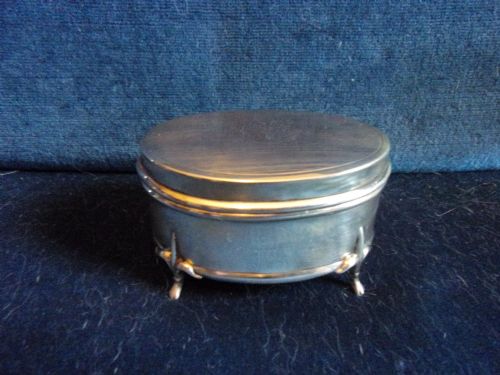
Store each piece separately in a lined box to prevent metal friction and stone scratching. Regular inspection by a specialist helps ensure the settings remain secure.
Were these items worn daily?
Many pieces served as daily accessories for the Georgian gentry, including signet rings, seal fobs, and everyday brooches. Others, such as mourning pendants and elaborate cluster rings, were reserved for specific social occasions or remembrance.
The durability varied according to the materials used. Hardstone intaglios and sturdy gold bands endured frequent wear, while delicate silver-topped earrings received more careful treatment.
How can I tell the period?
Dating relies on stylistic shifts in metalwork, stone cuts, and mounting techniques. Early pieces often feature closed-back settings and rose-cut stones, while later nineteenth-century items introduce more varied gold purities and distinct clasp mechanisms.
Hallmarks, where present, provide official date letters and assay office marks. Combined with the form of the object, these details narrow the timeline of manufacture.