
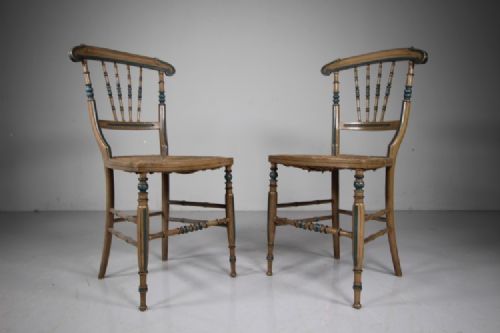


Georgian Hand Chair
A georgian hand chair brings distinct period presence to a room, offering the carved detail and solid timber construction that serious collectors seek.
Georgian Hand Chair
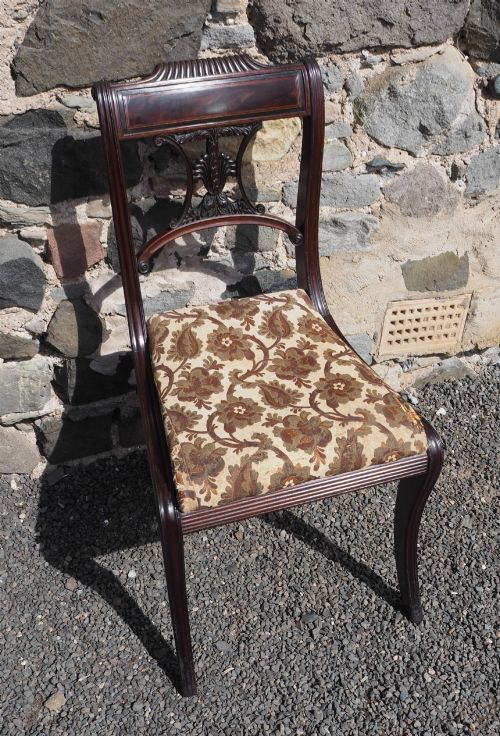
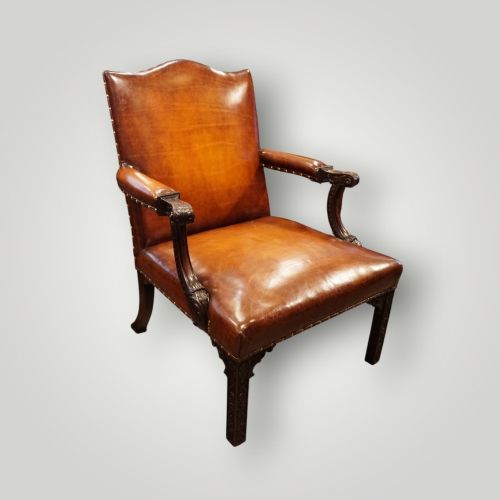
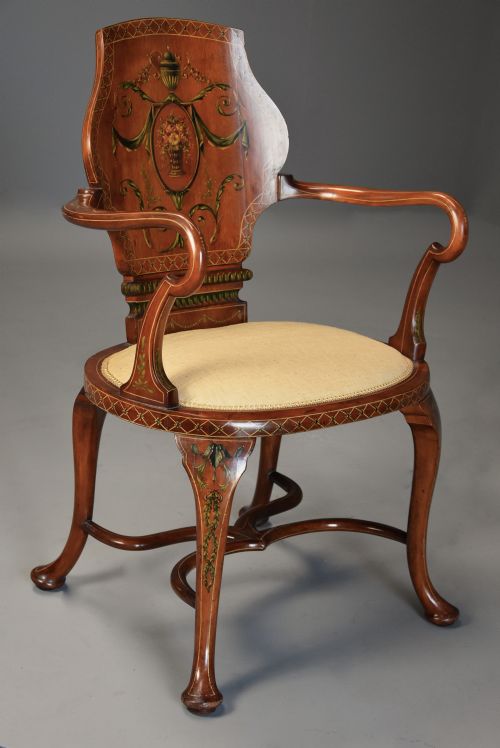
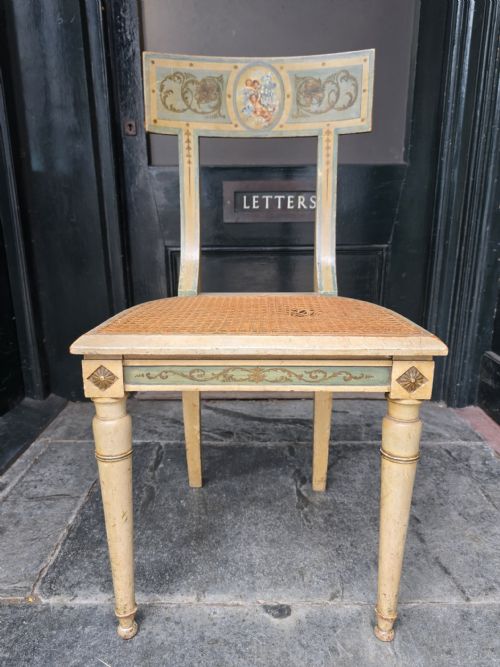
When you examine a georgian hand chair, you are looking at seating forms that span armchairs, side chairs, hall chairs, and carvers from the eighteenth and nineteenth centuries. The pieces on this page draw from periods ranging through the Georgian and Regency eras, extending into later Edwardian revivals.
You will encounter mahogany, walnut, and ash timbers alongside painted finishes and leather upholstery. The designs encompass Chippendale influences, Chinoiserie decoration, and country vernacular traditions such as Windsor and rush-seated corner chairs.
The most typical examples combine traditional joinery with hand-carved elements, reflecting the domestic seating requirements of their original eras.
Materials and construction methods
Cabinetmakers built these chairs using dense timbers like mahogany, walnut, and solid ash, shaping frames with mortise and tenon joints. Carvers applied blind fretwork, pierced splats, and hoof feet directly into the wood.
Surface treatments include original paint, japanned lacquering, and satinwood decoration. Upholstered variants rely on hand-dyed leather, hide, and needlework inserts secured over cane or solid bases.
Recorded periods span the Georgian, Regency, and Edwardian eras, with examples dating from the eighteenth century onwards.
Distinctions in craftsmanship
Quality rests in the crispness of the hand-carving and the integrity of the primary timber frame. Chairs with untouched original surfaces and period-appropriate leather or paint retain greater authenticity than heavily restored examples.
The balance of proportions and the depth of relief in carved splats and legs separate standard production from superior workshop output.
The Georgian Hand Chair Glossary
- Carver
- An armchair, typically designed for the head of a dining table, featuring open arms. These pieces match standard dining chairs of the same set.
- Chippendale
- A style originating from the designs of Thomas Chippendale, characterised by elaborate pierced splats and carved cabriole or straight legs. The aesthetic saw revivals well into the nineteenth and twentieth centuries.
- Japanned
- A European imitation of East Asian lacquerwork, applied as a decorative painted and varnished finish on furniture. It appears frequently on Chinoiserie pieces.
- Splat
- The vertical strip of wood down the centre of a chair back. It often takes pierced or carved forms in period seating.
- Windsor
- A traditional vernacular chair constructed with a solid wooden seat into which the legs and back spindles are wedged directly. These chairs often utilise ash or elm.
Georgian Hand Chair: Frequently Asked Questions
How do I identify a genuine period chair?
Examine the timber shrinkage, tool marks, and construction joints for consistency with eighteenth or nineteenth-century workshop practices. Original surfaces and hand-carved details generally indicate age.
Compare the proportions and decorative motifs against documented examples from the same stylistic era to confirm authenticity.
Were these chairs used for dining?
Many smaller forms served as dining or side chairs around formal tables. Others functioned as desk chairs, hall chairs, or occasional seating in parlours.
Armchairs and carvers typically occupied the heads of tables or specific seating areas within a room.
How should I care for leather upholstery?
Maintain hand-dyed leather and hide by keeping the pieces away from direct sunlight and heat sources. Regular dusting prevents particle buildup in the grain.
Apply specialist leather conditioners sparingly to preserve the suppleness of older hides without altering the original finish.
Can I mix these chairs with modern furniture?
These seating pieces integrate well into contemporary interiors by providing textural contrast through dark timbers and carved details. A single antique armchair serves as a focal point in a minimalist room.
Pairing period side chairs with a modern table creates a layered aesthetic that highlights the craftsmanship of the wood.