

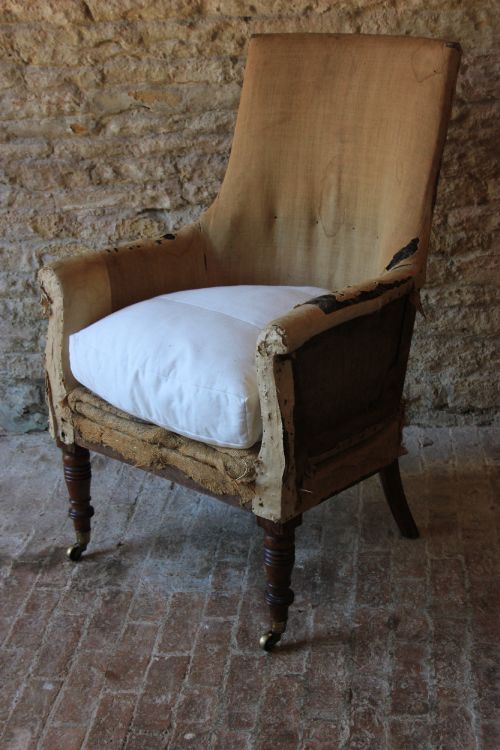
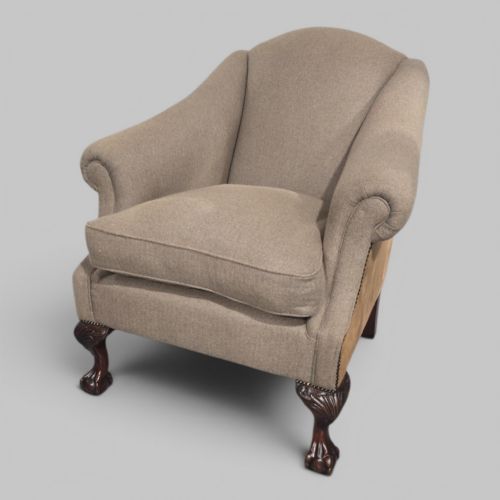


Georgian Gentleman Chair
These georgian gentleman chair examples are substantial seating designed for comfort and study, crafted in mahogany and ash to anchor a traditional room.
Georgian Gentleman Chair
A georgian gentleman chair encompasses robust seating forms designed for studies and libraries, drawing on periods from the eighteenth century through to later revivals. The selection includes library armchairs, wing back leather chesterfields, and reclining seats that prioritize substantial proportions and practical comfort.
Buyers frequently encounter mahogany frames alongside ash and elm country versions, reflecting both formal Georgian craftsmanship and later nineteenth or twentieth-century interpretations. These pieces serve as functional study chairs and reading seats with deep upholstered forms.
The category also embraces related visual records, such as eighteenth-century oil paintings depicting individuals seated in period chairs within panelled interiors. This mix provides both the physical seating and the historical context of how such furniture was used.
How they were made
Construction relies heavily on dense timbers such as mahogany, ash, and elm, shaped into sturdy frames with carved or turned supports. Joinery techniques from the eighteenth and nineteenth centuries ensure structural durability for heavy daily use.
Upholstery forms an essential part of the construction, utilising materials like leather, hessian, calico, and wool over supportive stuffing. Brass accents appear on specific mechanisms and castors, particularly on patent reclining variants designed for adjustable comfort.
Georgian Gentleman Chair Retail Price Guide 2026
Typical asking prices for georgian gentleman chair among the pieces listed under this phrase on Sellingantiques today, from the lower quarter to the upper quarter. They describe what is for sale here now, not the wider market.
Listings for a georgian gentleman chair span the Georgian, Regency, and William IV periods, alongside later revival dates up to nineteen thirty.
What varies in quality
The distinction between standard examples and exceptional pieces rests on the crispness of timber carving and the integrity of the original frame structure. Superior specimens exhibit refined proportions and high-grade primary woods without intrusive structural alterations.
The retention of period upholstery materials and functional mechanical elements, such as those found on patent reclining chairs, elevates the historical interest of an object. The depth and character of the timber finish further separate routine later reproductions from authentic period craftsmanship.
Francis Alleyne·Stephen Taylor
The Georgian Gentleman Chair Glossary
- Chesterfield chair
- A deep-buttoned upholstered seating form traditionally finished in leather, offering substantial armrests and a high back for domestic comfort.
- Gainsborough chair
- An open-armed armchair with a padded back and seat, typically standing on square or carved legs, associated with the mid-eighteenth century.
- Patent reclining armchair
- An adjustable seating design featuring mechanical elements that allow the back to tilt, often developed during the Regency period.
- Hessian
- A coarse woven fabric utilised as a traditional foundation layer beneath outer upholstery materials in period seating.
Georgian Gentleman Chair: Frequently Asked Questions
What defines a gentleman chair?
A gentleman chair is a sturdy, upholstered seat traditionally used in libraries or studies for reading and writing.
These pieces typically feature substantial wooden frames in mahogany or ash, paired with supportive padding and armrests designed for extended sitting.
How do I identify a Georgian piece?
Identifying a Georgian piece involves examining the timber quality, joinery methods, and overall proportions characteristic of the eighteenth century.
Original items show period-appropriate tool marks and construction details that distinguish them from later nineteenth-century revivals and twentieth-century interpretations.
Were these chairs used for working?
These chairs were primarily utilised in private libraries, studies, and panelled rooms for reading, corresponding, and quiet contemplation.
Some variants include patent reclining mechanisms or deep wing backs to provide draft protection and adjustable comfort during long hours of study.
How do I care for leather upholstery?
Leather upholstery on period seating requires gentle cleaning and regular conditioning to prevent the natural material from drying out.
Keeping the chairs away from direct sunlight and excessive heat sources helps preserve the condition of both the leather and the underlying wooden frame.