



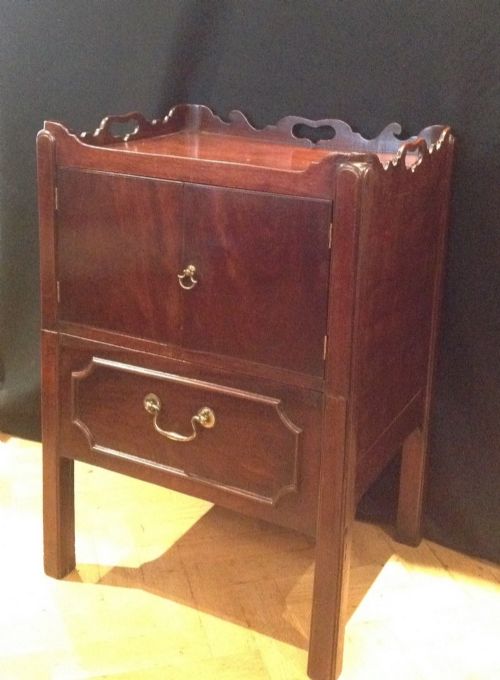


Georgian Galleried Table
A georgian galleried table offers raised edges and fine timber work, prized for keeping items secure while adding traditional character to a room.
Georgian Galleried Table
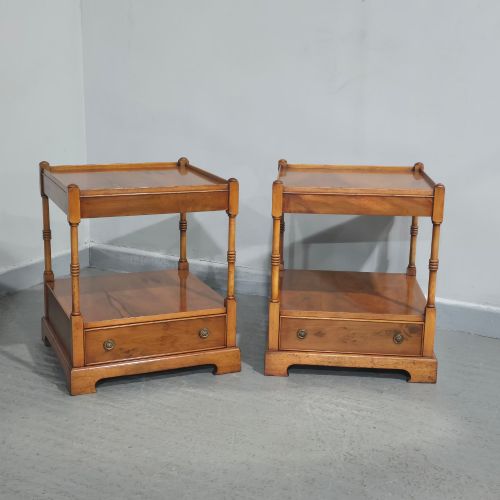
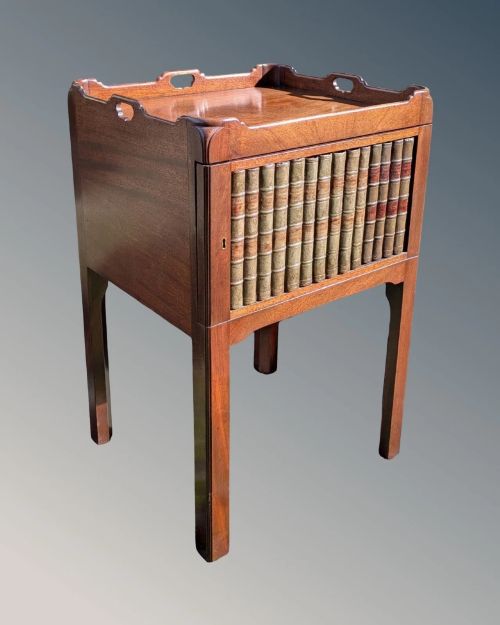
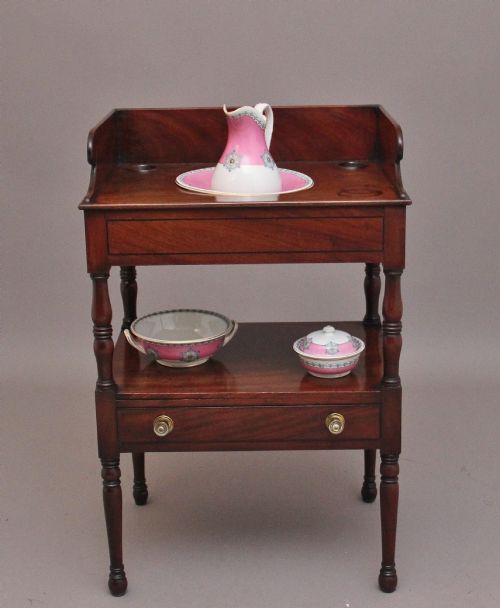
A georgian galleried table encompasses various forms designed with an elevated surrounding rim, known as a gallery, to prevent objects from slipping off the surface. You will most frequently encounter side tables, occasional tables, coffee tables, commodes, and bedside cabinets spanning the eighteenth and nineteenth centuries.
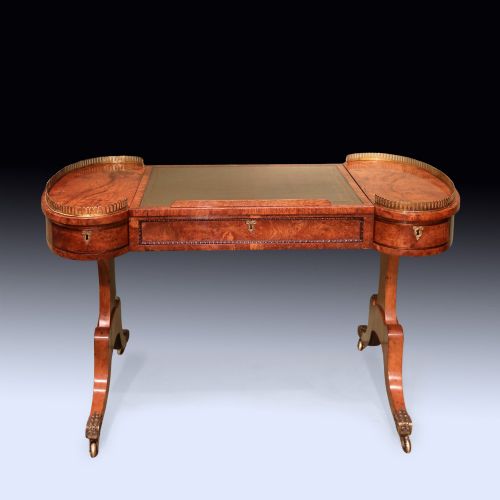
Makers adapted the raised edge across multiple room settings, producing tray top commodes, dumb waiters, and writing tables. Each variation maintains the characteristic border while serving distinct household functions.
How they were made
Craftsmen built these tables primarily from mahogany, flame mahogany, burr oak, and oak, selecting timber for strength and decorative grain patterns. Brass hardware and metal components appear on specific designs, while leather inserts feature on writing surfaces.
Carpenters shaped raised galleries by hand, piercing or moulding the timber borders to sit securely atop the main surface. Structural joints relied on traditional woodworking techniques suited to the form of each side table or commode.
Georgian Galleried Table Retail Price Guide 2026
Typical asking prices for georgian galleried table among the pieces listed under this phrase on Sellingantiques today, from the lower quarter to the upper quarter. They describe what is for sale here now, not the wider market.
What varies in quality
Quality rests on the selection of timber figures, particularly where flame mahogany or burr oak displays deep grain variation across the top. Superior examples demonstrate refined proportions in the turning of legs and the delicate execution of pierced galleries.
The integrity of the construction and the crispness of carved details distinguish finer workshop output from simpler utilitarian pieces. Consistency in timber selection between the top, gallery, and base indicates higher craftsmanship.
Gillows
The Georgian Galleried Table Glossary
- Gallery
- A raised wooden or metal border running around the edge of a tabletop to prevent items from falling. This feature defines the primary category.
- Commode
- A low cabinet or chest fitted with doors or drawers, frequently adapted with a galleried top during the eighteenth century.
- Dumb waiter
- A piece of furniture featuring multiple stacked tiers with galleried edges, used for serving food or holding tableware.
- Silver table
- A specialised occasional table designed to display silver tea services, typically bordered by a delicate gallery.
- Flame mahogany
- A decorative veneer cut from timber where the grain resembles flickering flames, providing visual movement across the surface.
Georgian Galleried Table: Frequently Asked Questions
How were these tables used?
These tables served multiple domestic purposes, from holding silver tea services and wine bottles to acting as bedside commodes or writing desks. The raised edge proved practical for daily household tasks.
Owners placed them in reception rooms, bedrooms, and parlours depending on the specific form and function.
What timber was used?
Cabinetmakers predominantly worked with mahogany, including figured varieties like flame mahogany, alongside oak and burr oak. Brass and leather also appear on specific functional pieces.
These materials provided the structural stability needed for delicate leg forms and raised galleries.
How do I date a piece?
Dating relies on observing construction methods, timber choice, and stylistic details associated with periods like the Georgian era, Regency, or subsequent revival decades.
Comparing the turned legs, gallery construction, and overall proportions helps place a piece within its historical context.