
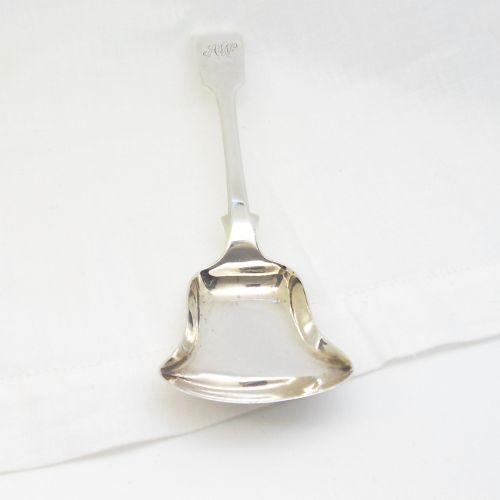


Georgian Cutlery Caddy
These Georgian cutlery caddy pieces are refined wooden containers built to hold dining flatware in style, offering both practical storage and period elegance for the table.
Georgian Cutlery Caddy
A georgian cutlery caddy serves as a specialised wooden container designed to house knives, forks and spoons safely within period dining rooms. Buyers seeking a georgian cutlery caddy encounter a variety of forms ranging from fitted boxes and serpentine storage chests to lidded urns and handled wooden trays.
The selections span the Georgian, Regency and Victorian eras, alongside late eighteenth and nineteenth century examples in mahogany, walnut, satinwood and oak. Formats include narrow bow front boxes, divided butler trays, and country pieces in red paint.
Objects on this page also encompass related dining and serving accessories such as wine bottle carriers, drinks trays and stationery boxes that share the same period craftsmanship. Most pieces reflect formal English cabinet making alongside simpler country folk art traditions.
Materials and Construction
Makers utilised dense timbers such as mahogany, walnut and satinwood, often selecting figured grain for visual impact on prominent surfaces. Cabinet makers employed careful joinery, shaping wood into serpentine curves and bow fronts to suit refined interiors.
Metal fittings played a crucial structural and decorative role, featuring solid silver mounts, brass handles and escutcheons. Interior divisions and compartments were meticulously planned to separate delicate steel blades and silver flatware.
One remarkably honest box spent centuries holding knives before settling down to organise letters.
Assessing Quality
Quality rests heavily on the selection of timber and the preservation of original surface patination. Figured mahogany and fine satinwood veneer demonstrate superior material choice by the original cabinet maker.
The crispness of mouldings, the integration of solid silver or brass mounts, and the integrity of internal dividers distinguish exceptional examples from simpler regional or utilitarian items.
The Georgian Cutlery Caddy Glossary
- Bow front
- A convex curved cabinet front that swells outward in the centre. This shape requires advanced woodworking skill to execute cleanly on cutlery boxes.
- Serpentine
- A furniture front shape with a central convex curve flanked by two concave curves. It creates a flowing, organic outline popular in high-end Georgian cabinet making.
- Patina
- The deep surface sheen and mellow colour developed by aged wood over decades of handling and polishing. Good patina indicates authentic age and careful maintenance.
- Escutcheon
- A protective metal plate surrounding a keyhole, usually fashioned from brass or silver. It prevents the wood from becoming damaged around the lock.
- Urn
- A vase-shaped lidded vessel, frequently used in pairs as knife boxes during the eighteenth century. They introduce classical architectural symmetry to sideboard arrangements.
Georgian Cutlery Caddy: Frequently Asked Questions
What were cutlery caddies used for?
These boxes and trays held expensive steel-bladed knives, forks and spoons when they were not in use on the dining table. Servants brought them out for meals and stored them securely afterwards to protect the metal from damp air.
In grand houses, matching pairs sat on sideboards to display the household wealth through fine timber and precious metal mounts. Some later found new uses for stationery or bottles as dining habits evolved.
How do I clean a mahogany caddy?
Dust the wood gently with a soft, dry cloth to remove everyday particles without scratching the surface. Avoid modern silicone sprays, which build up over time and dull the historic sheen of the timber.
Apply a traditional microcrystalline wax very sparingly if the wood appears dry, then buff it gently with a clean cloth. Keep the piece away from direct sunlight and heat sources to prevent the wood from warping or cracking.
How can I tell a George III piece from a Victorian one?
George III pieces typically exhibit lighter proportions, restrained classical stringing, and timber selected for subtle grain movement. Cabinet makers of that era favoured straightforward elegance and understated brass or silver mounts.
Victorian examples often display heavier timber dimensions, bolder carving, and sometimes more elaborate or commercial construction methods. Examining the interior fittings and secondary woods helps clarify the manufacturing period.
Can I use an antique tray for serving drinks?
Many solid wood and glass-fitted trays remain sturdy enough for careful use during social gatherings. Handled butler trays and wooden carriers were built for moving items around country houses originally.
Protect fragile antique surfaces from moisture by using coasters and wiping up spills immediately. Frequent use requires gentle handling to preserve the historic finish and joints.