

Georgian Country House
Georgian country house pieces bring solid vernacular character into a room, combining honest domestic utility with centuries of domestic history.
Georgian Country House
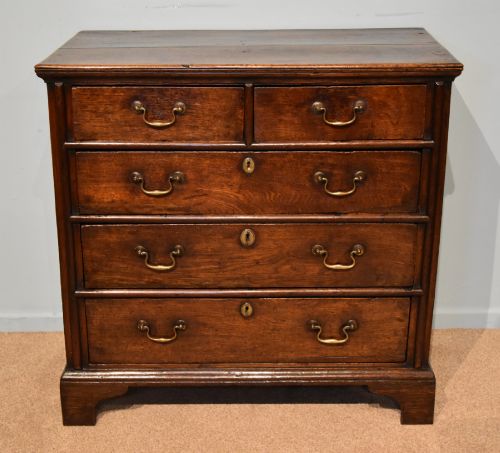
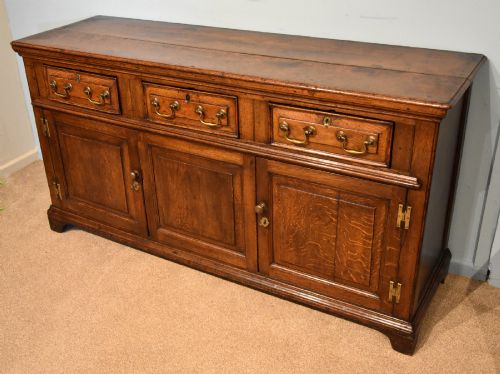
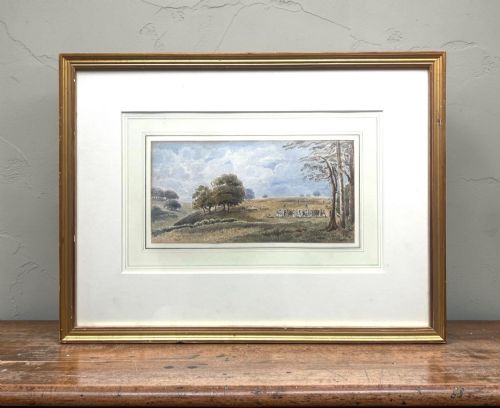
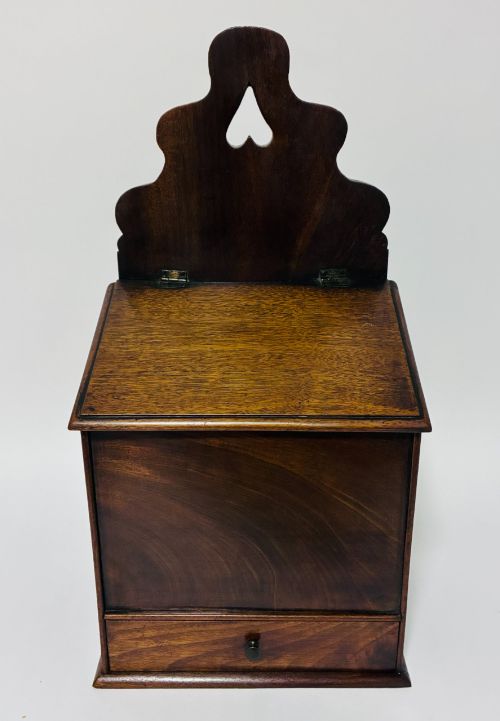
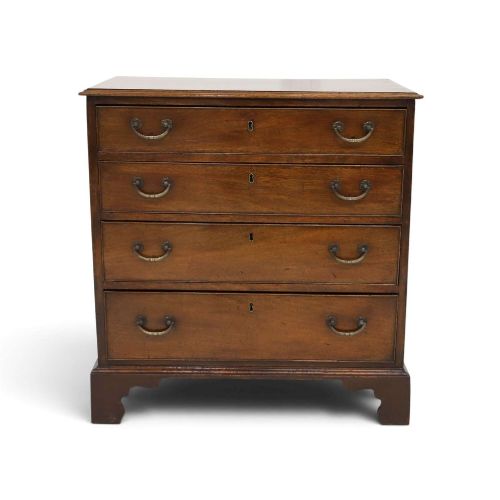
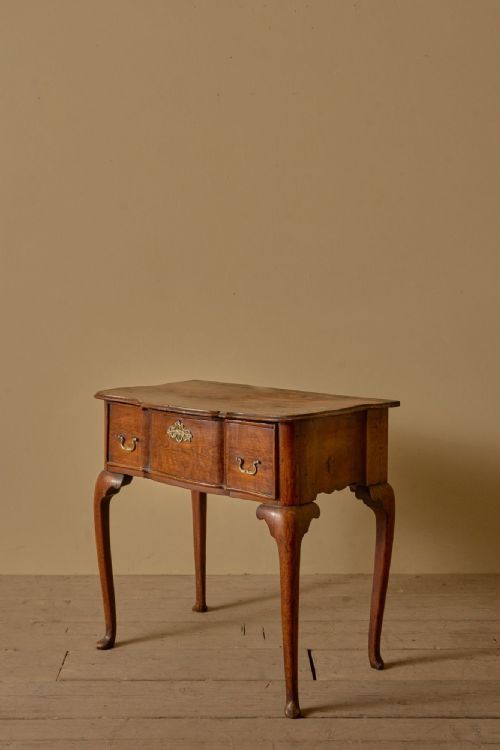
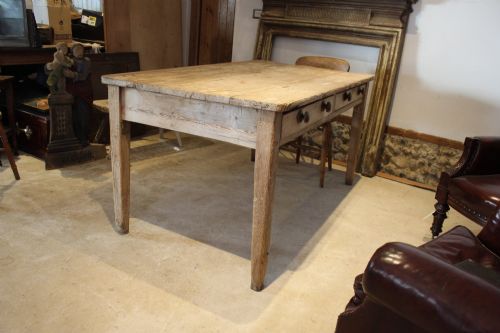
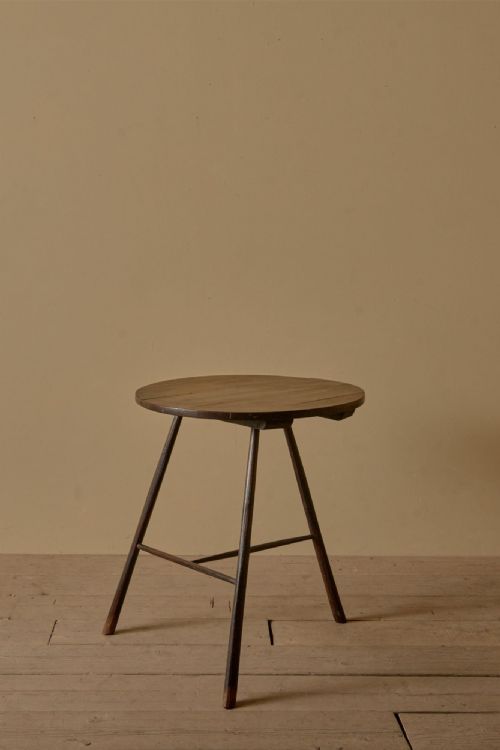
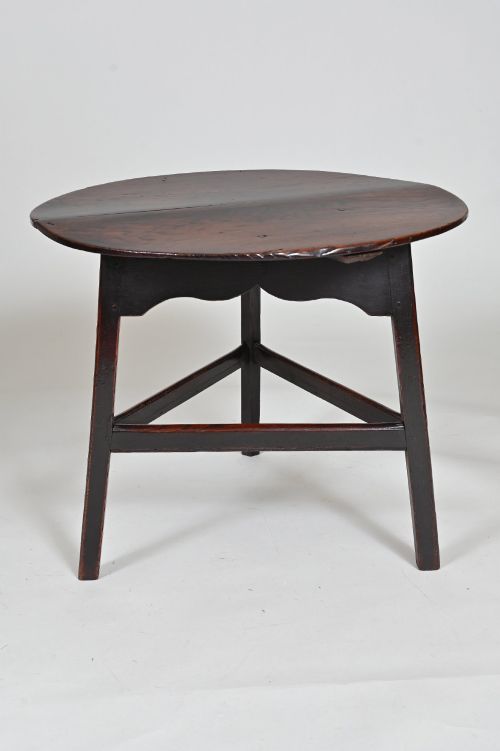
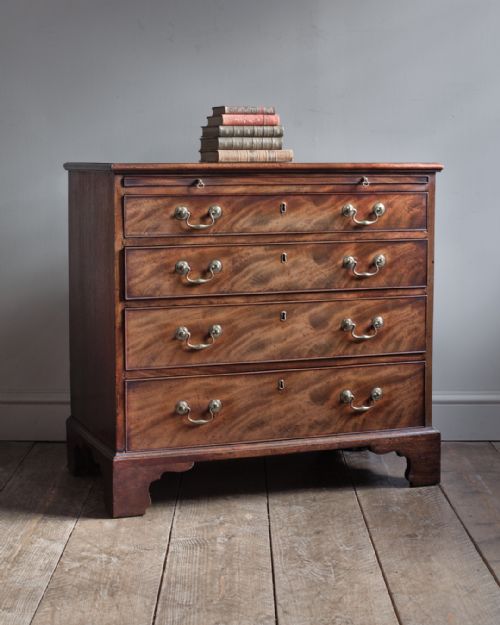
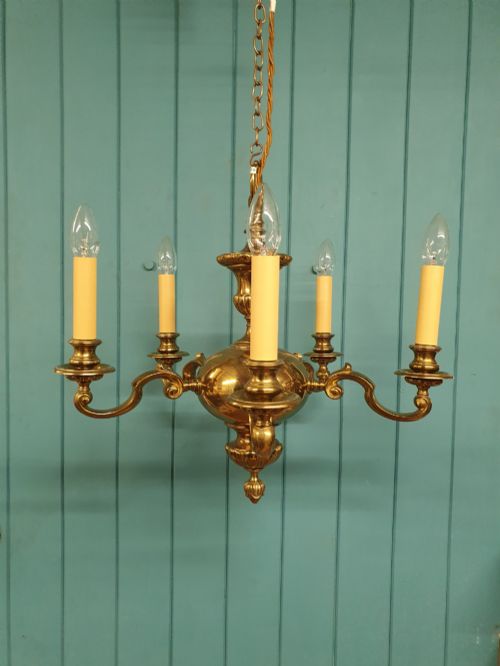
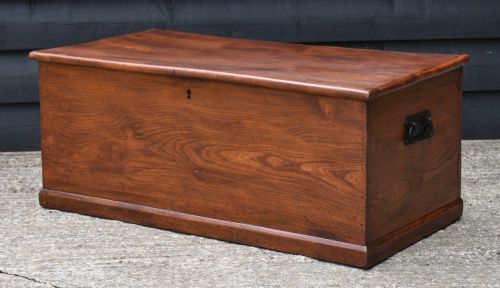
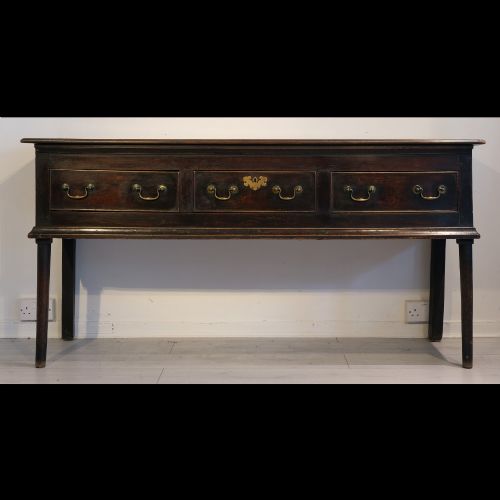
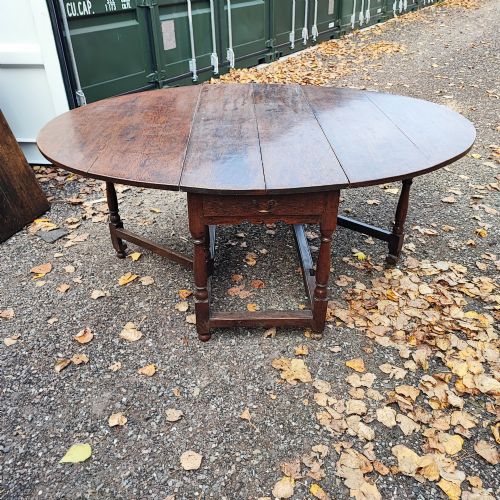
A georgian country house selection comprises sturdy furniture, oil paintings, and domestic objects spanning the eighteenth and nineteenth centuries. Buyers encounter oak dressers, elm farmhouse tables, and fruitwood seating created for practical domestic use.
The objects stem from English and Irish domestic settings, showing regional character rather than urban polish. Dining tables, armchairs, and storage chests dominate the selection, reflecting the daily routines of country estates.
Most items date from the Georgian and Regency periods, utilising regional timbers like oak, elm, and fruitwood. These furnishings carry the patina of long service in traditional interiors.
How they were made
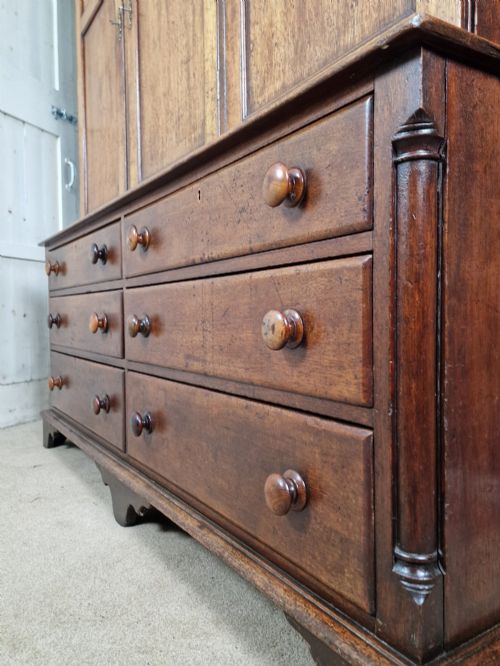
Joiners and cabinetmakers built these pieces from dense native timbers, predominantly oak, elm, mahogany, and fruitwood, often combining woods within a single item. Construction relied on traditional pegged joints, dovetails, and hand-turned elements designed for heavy use.
Secondary materials such as wrought iron, brass, copper, and painted finishes appear on hearth furniture, lighting, and storage vessels. Surfaces received simple wax or oil treatments that preserved the natural grain of the timber.
Georgian Country House Retail Price Guide 2026
Typical asking prices for georgian country house among the pieces listed under this phrase on Sellingantiques today, from the lower quarter to the upper quarter. They describe what is for sale here now, not the wider market.
An eighteenth-century sycamore platter preserves the exact burn mark left by a hot household iron around seventeen-ninety.
What varies in quality
Quality rests on the integrity of the timber, the restraint of past repairs, and the survival of original surface finishes. Pieces retaining untouched patination and honest structural wear command greater appreciation than heavily restored examples.
Proportion and regional craftsmanship distinguish superior items from standard utilitarian wares. Refined carving, well-chosen mahogany or figured oak veneers, and balanced joinery set the higher examples apart.
Miles & Edwards
The Georgian Country House Glossary
- Potboard
- An open lower shelf on a dresser designed for storing heavy pottery and kitchen vessels. This feature defines many traditional oak dining room pieces.
- Refectory table
- A long, narrow dining table built with sturdy timber legs and longitudinal stretchers for communal dining. These tables form the central surface in many large country rooms.
- Coffer
- A heavy wooden chest constructed with panelled sides for storing textiles and valuables. Early examples often display boarded construction and simple hand-carved decoration.
- Cheval mirror
- A full-length swing mirror supported by a freestanding frame with four legs. Regency versions often incorporate finely turned uprights and brass mounts.
- Gainsborough chair
- A wide, open-armed armchair with a padded seat and back, standing on straight or cabriole legs. These chairs provided comfortable seating at desks or in parlours during the eighteenth century.
Georgian Country House: Frequently Asked Questions
What is a georgian country house style?
The style reflects practical domestic furnishing from English and Irish estates during the eighteenth and early nineteenth centuries. It prioritises robust regional timbers and functional design over urban formality.
Interiors combined substantial oak dressers, elm dining tables, and upholstered seating that developed rich patination through generations of daily use.
How do I care for antique timber furniture?
Maintain these pieces by applying natural beeswax sparingly and buffing with a soft cloth to nourish the dry wood. Keep them away from direct heat sources and strong sunlight to prevent timber shrinkage and splitting.
Avoid modern aerosol polishes that leave silicone buildups on the historic surface, obscuring the natural grain and original colour.
Where were these pieces originally used?
These items originated in the kitchens, halls, libraries, and bedrooms of large country residences. They served utilitarian purposes ranging from food preparation to linen storage and family dining.
Many objects carry the marks of intensive domestic service, linking them directly to the everyday operations of historic households.
How do I date a country house table?
Dating relies on examining the construction methods, tool marks, and timber species used in the frame. Hand-cut dovetails, pit-sawn boards, and pegged joinery point towards earlier eighteenth-century production.
Later nineteenth-century pieces often display machine-assisted elements and different secondary woods while retaining traditional regional forms.