





Georgian Coopered Bucket
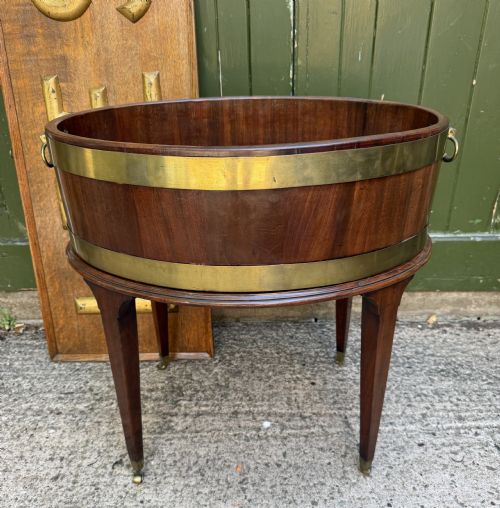
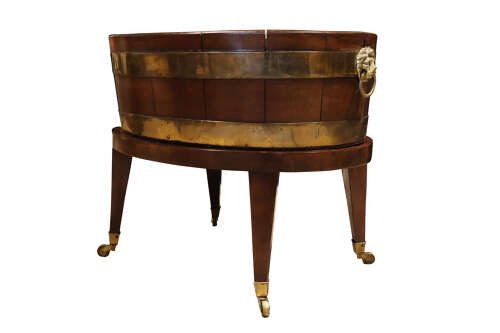
A georgian coopered bucket brings tactile warmth and historic utility to a room, serving as a wine cooler or planter with undeniable presence.
Georgian Coopered Bucket
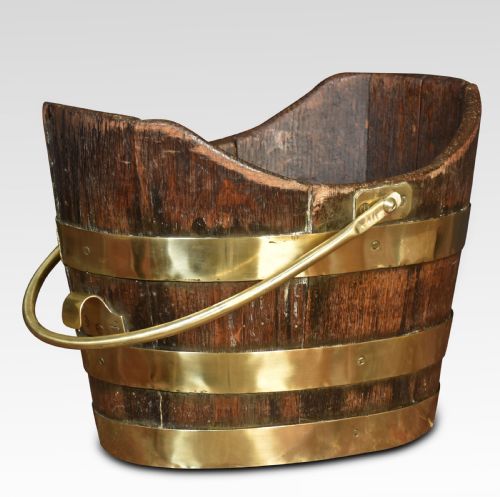
A georgian coopered bucket comprises staves bound tightly with metal hoops, created for practical domestic tasks like chilling wine or holding peat.
The versions met on this page span the Georgian and Victorian periods, often appearing as mahogany or oak wine coolers, cellarettes, and plant-holding jardinieres.
How they were made
Craftsmen shaped individual wooden staves of mahogany, oak, walnut, or fruitwood so they fitted edge-to-edge around a base before securing the cylinder with bands.
Brass or iron hoops provided structural tension to the timber, fixed securely around the body to maintain stability and shape over centuries of use.
Metal swing handles and liners were often integrated into wine coolers and peat buckets to handle moisture and heavy loads safely.
Georgian Coopered Bucket Retail Price Guide 2026
Typical asking prices for georgian coopered bucket among the pieces listed under this phrase on Sellingantiques today, from the lower quarter to the upper quarter. They describe what is for sale here now, not the wider market.
Some historic peat buckets doubled as foot warmers, keeping toes cosy while the fire burned low.
What varies in quality
Quality rests on the selection of timber and the precision of the cooperage, where tightly joined staves and rich grain figure distinguish finer workshop production.
The original integrity of the metal bands and the presence of matching stands or period liners elevate an example above standard utility vessels.
Samual Norman
The Georgian Coopered Bucket Glossary
- Coopered
- Made by a cooper using curved wooden staves joined vertically and bound with metal hoops. This technique provides the structural strength required for liquid containment.
- Cellarette
- A lockable container used for storing wine bottles near the dining table. They frequently share the same stave-built construction as buckets.
- Jardiniere
- An ornamental pot or stand for holding plants or flowers. These items often utilise waterproof liners inside timber staves.
- Teestoof
- A traditional Dutch foot warmer or peat bucket used for domestic heating. They incorporate pierced metal components or internal heaters.
- Stave
- One of the narrow, shaped wooden strips that form the sides of a bucket or barrel. The precision of their bevels determines the vessel's overall shape.
Georgian Coopered Bucket: Frequently Asked Questions
What is a coopered bucket?
A coopered bucket is a vessel constructed from vertical wooden staves held together by metal or brass bands, built using traditional barrel-making techniques.
These pieces were historically used for holding wine, peat, or water, combining robust utility with refined cabinet timbers.
How do I use a wine cooler bucket?
A period wine cooler bucket can serve as a floor-standing bottle holder beside a dining table or sideboard, accommodating ice or cooling elements safely if fitted with a suitable liner.
They also function effectively as floor planters or decorative jardinieres for large house plants.
What woods were used for these buckets?
Cabinet makers and coopers utilised dense hardwoods such as mahogany, oak, walnut, and occasional fruitwoods to construct the staves.
These timbers offered durability and attractive grain patterns that aged well with polishing.
How can I tell the period?
Dating relies on the timber species, the style of the brass bands and handles, and the presence of original stands or feet characteristic of Georgian and 19th-century design.
Construction details, such as hand-cut dovetails or forged iron fixings, further indicate the era of manufacture.