

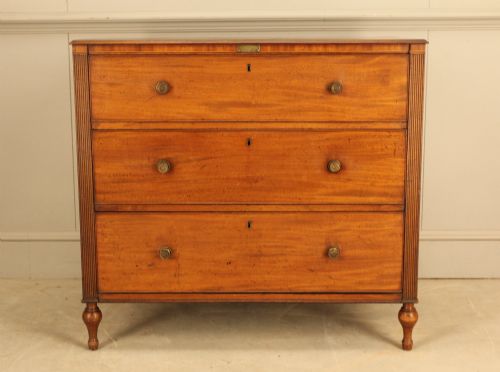
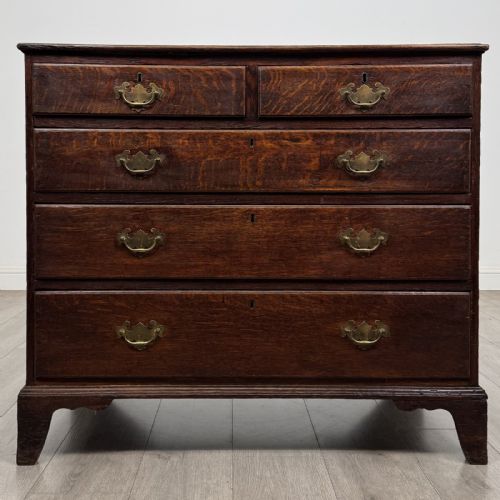
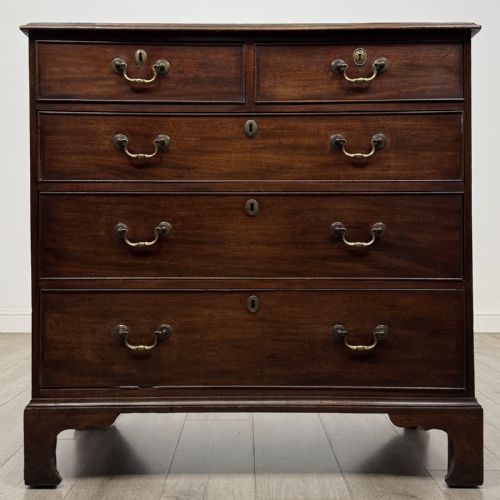
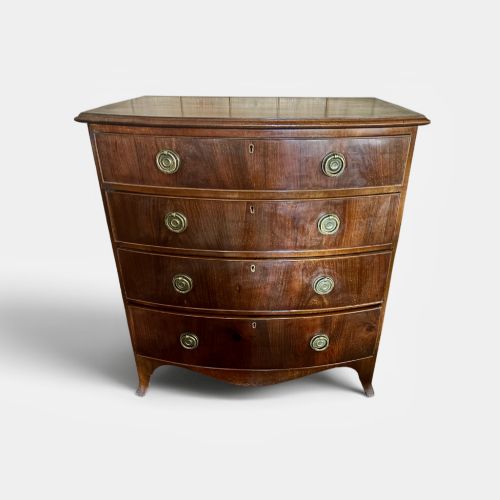
Georgian Chest with Drawers
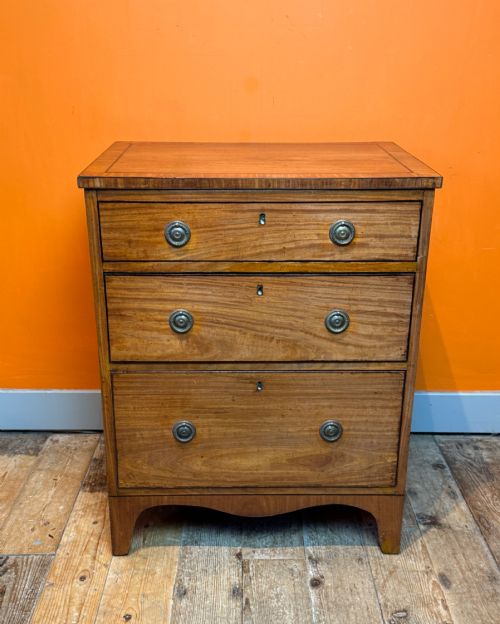
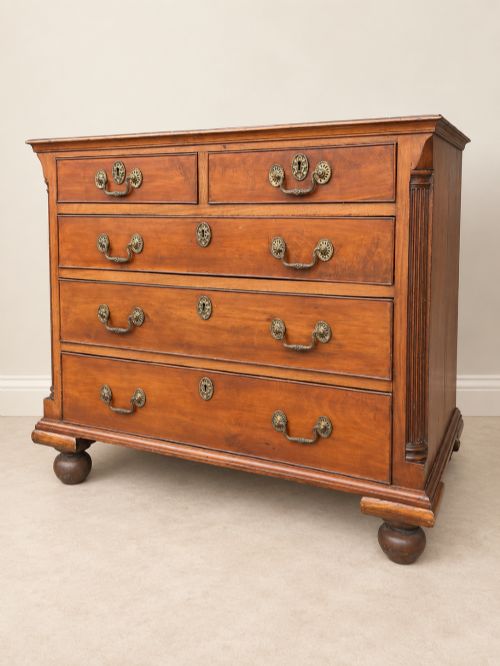
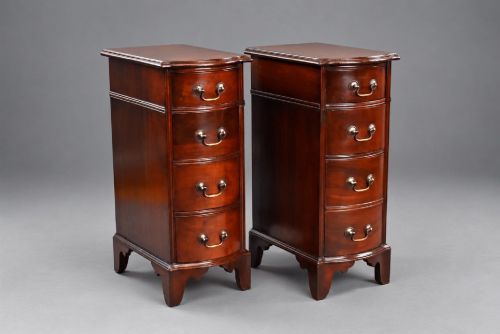
A georgian chest with drawers provides timeless storage through robust mahogany and oak construction built to last generations.
Georgian Chest with Drawers
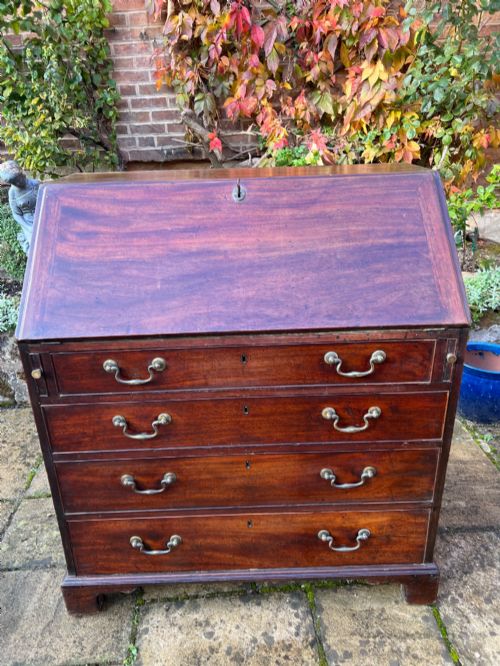
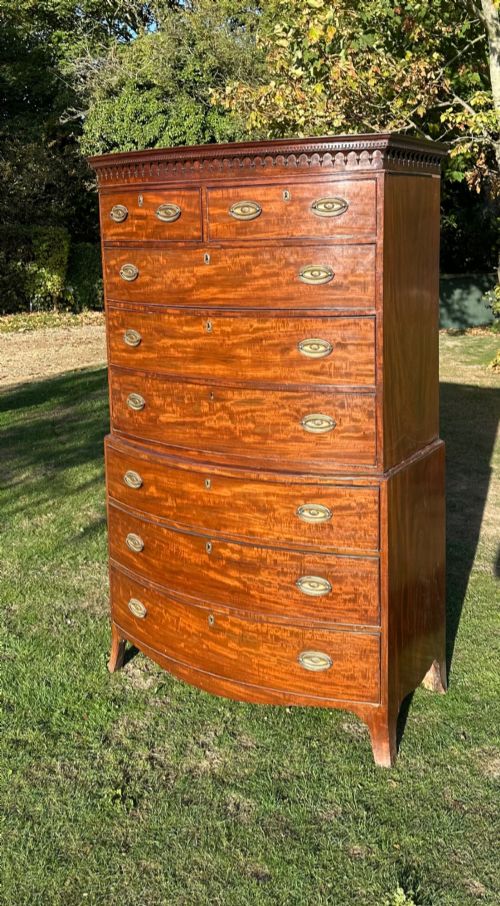
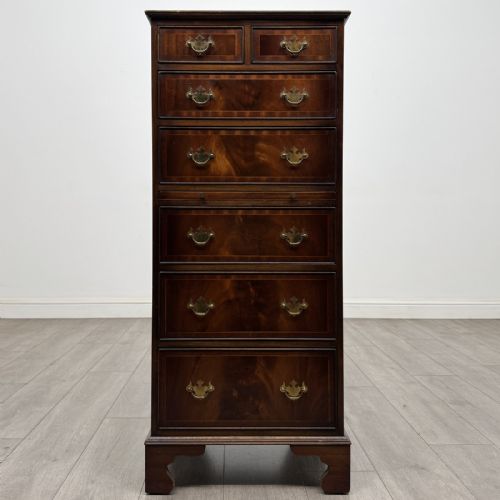
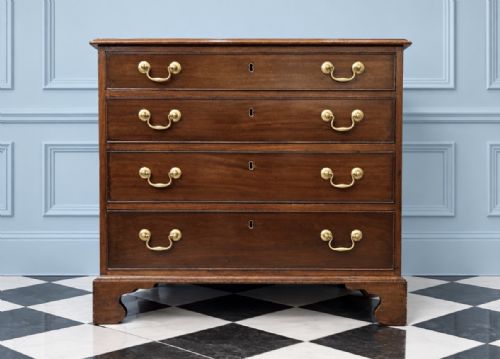
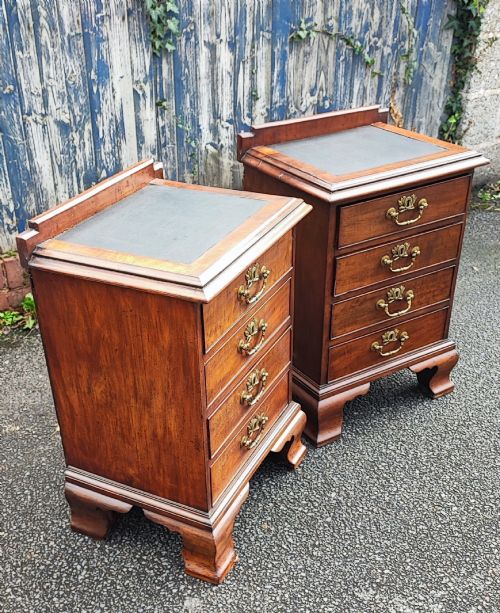
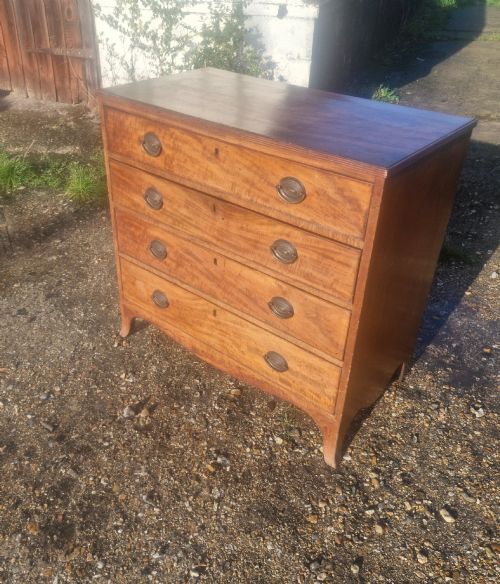
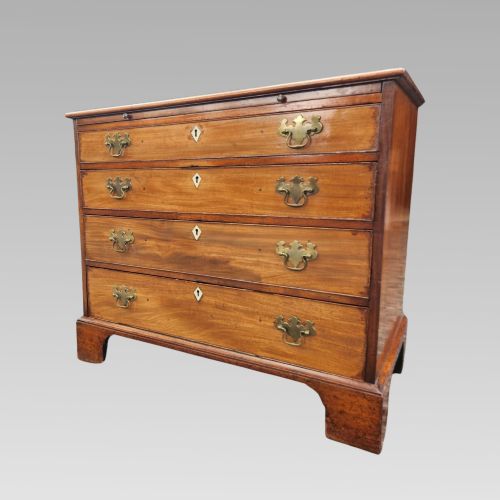
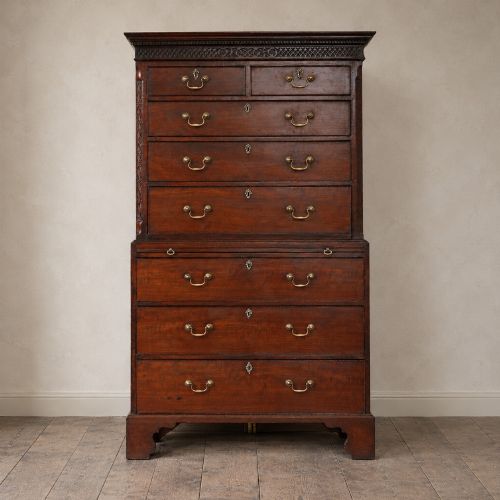
A georgian chest with drawers spans practical domestic storage from the eighteenth and nineteenth centuries, including tall chest on chest designs, compact bachelor pieces, and oak mule chests. Buyers encounter standard four-drawer layouts alongside complex pieces featuring integrated writing slides and fitted writing desks.
The selection ranges from provincial oak workshops to refined mahogany examples made during the George II, George III, and Regency periods. Miniature apprentice pieces and bureau bookcases also appear, reflecting the diverse domestic needs of the eras.
Construction methods and proportions define each piece, showing straightforward utility in regional oak furniture and polished precision in figured walnut and mahogany variations.
Materials and Construction
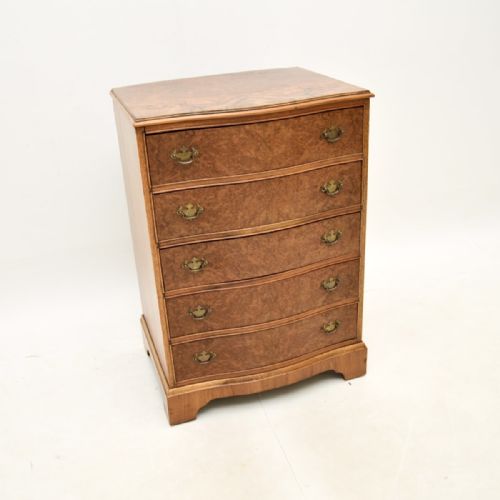
Makers relied primarily on solid mahogany and oak, frequently utilising figured walnut and pine for secondary elements or provincial commissions. Surfaces often display crossbanding or fine grain selection that highlights the natural timber.
Hardware consists of brass drop handles, escutcheons, and pierced backplates secured with original pins or screws. Drawer interiors utilise joined softwood sides with hand-cut dovetails connecting the fronts to the carcasses.
Georgian Chest with Drawers Retail Price Guide 2026
Typical asking prices for georgian chest with drawers among the pieces listed under this phrase on Sellingantiques today, from the lower quarter to the upper quarter. They describe what is for sale here now, not the wider market.
Listings feature eighteenth-century oak mule chests alongside mahogany chests on chest from the George III period.
Judging Quality
Superior examples retain original brass hardware, unblemished surface patination, and closely matched timber grains across multiple drawer tiers. Craftsmanship shows in the precision of the dovetail joints and the smooth action of sliding surfaces like brushing boards.
Lesser or heavily altered pieces exhibit replaced drawer runners, mismatched replacement brasses, or replaced timber sections on the top and feet. Original locks and functioning keys distinguish better surviving examples from those altered by later repairs.
Gillows
The Georgian Chest with Drawers Glossary
- Brushing slide
- A pull-out shelf located above the top drawers, historically used for grooming or writing correspondence without opening a main drawer. It slides smoothly on internal timber runners.
- Chest on chest
- A tall storage unit composed of a larger lower chest supporting a slightly smaller upper chest, often totaling six or more drawers. This form maximises vertical storage capacity.
- Mule chest
- A storage chest fitted with one or more functional drawers beneath the main lift-top compartment, combining the traditional coffer with drawer storage. They appear frequently in regional oak.
- Secretaire
- A cabinet or chest incorporating a fall-front flap that opens to reveal small drawers and pigeonholes for writing. These units combine desk functionality with standard chest dimensions.
- Crossbanding
- A decorative border technique where thin strips of veneer are laid across the grain direction around the perimeter of a top or drawer front. It creates a contrasting visual frame.
Georgian Chest with Drawers: Frequently Asked Questions
What is a brushing slide used for?
A brushing slide provides a temporary surface for folding clothes or writing letters without disturbing the contents of the main drawers below. It retracts flush into the cabinet frame when not in use.
These horizontal boards are typically faced with matching timber and operate on internal wooden grooves built into the carcass structure.
How do I identify a George III chest?
George III pieces generally display clean architectural proportions, refined mahogany veneers, and specific brass handle styles that evolved through the late eighteenth century. Cabinetmakers prioritized symmetry and understated moulding details during this reign.
Secondary woods like oak or pine inside the drawers help confirm the period construction methods used before mass production began.
Where were mule chests placed?
Mule chests served as principal bedroom or landing storage furniture for household linens, blankets, and garments before fitted wardrobes became standard domestic fixtures. The lower drawers allowed access to stored items without lifting the heavy top lid.
Their robust oak construction suited rural farmhouses and provincial homes across England and Wales.
How should I clean a mahogany surface?
Maintain antique mahogany surfaces by dusting gently with a dry, soft cloth and applying traditional beeswax sparingly to nourish the timber. Avoid modern silicone sprays that build up and damage the historic patina.
Keep the timber away from direct heat sources and strong sunlight to prevent the natural oils from drying out and causing veneer shrinkage.