
Georgian Canvas Art Painting
Georgian canvas art painting pieces bring centuries-old portraiture and landscape works into modern interiors with rich oil pigments and period frames.
Georgian Canvas Art Painting
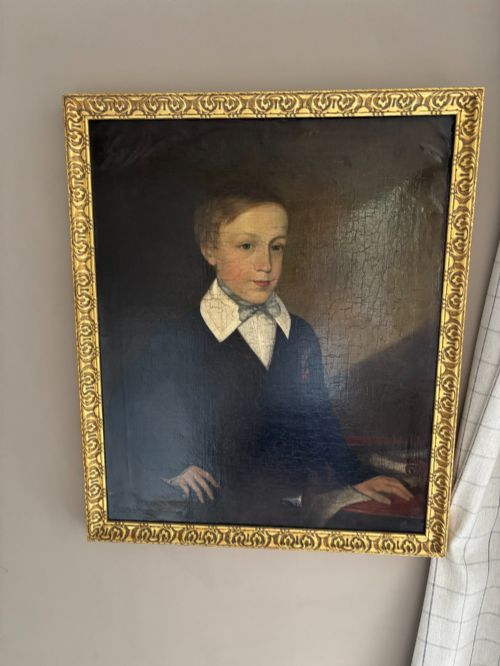
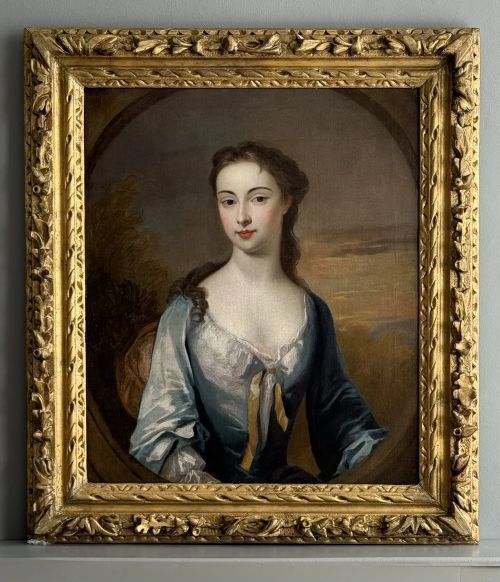
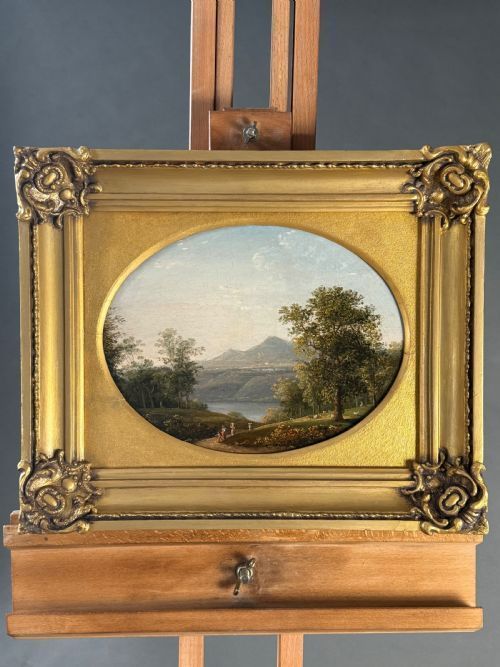
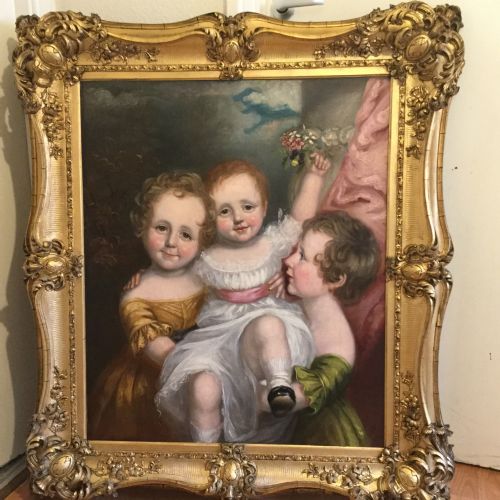
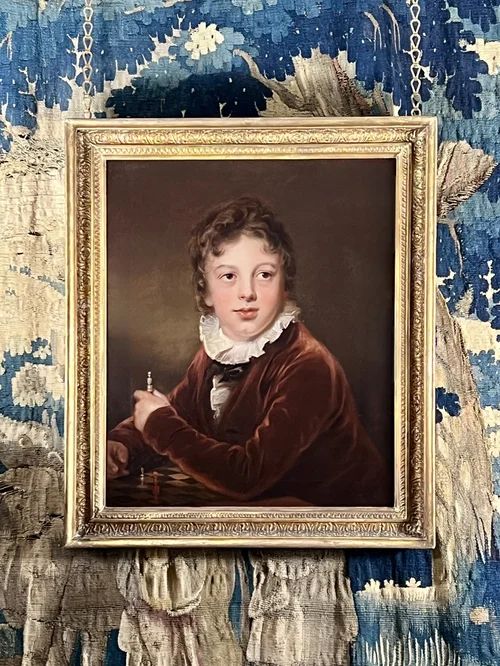
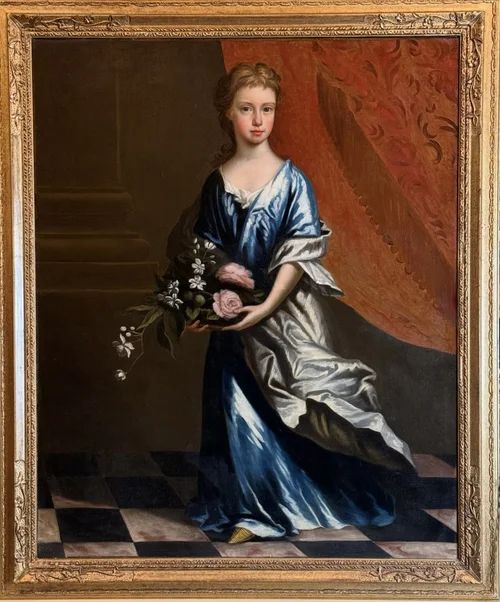
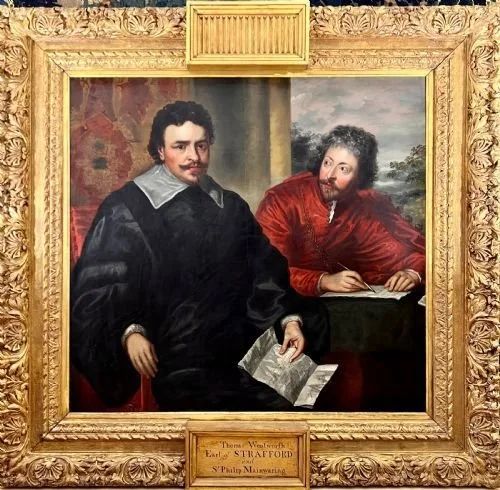
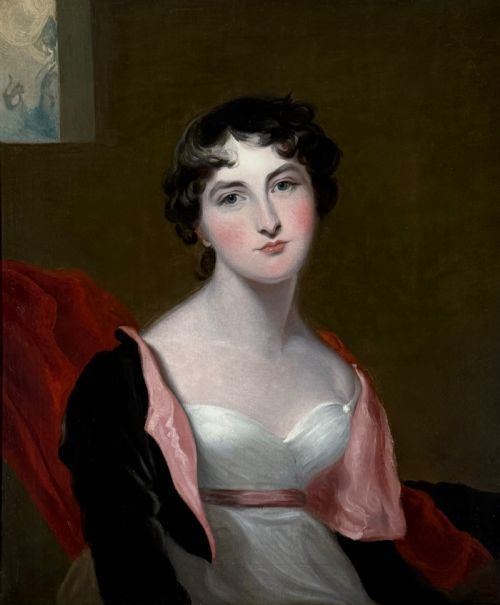
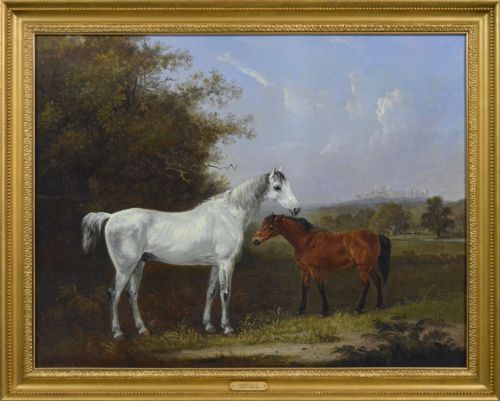
When you search for georgian canvas art painting items, you encounter historical oil paintings originating mainly from the eighteenth and nineteenth centuries. These works frequently depict notable figures, military officers, country girls, and family members through formal portraiture, alongside occasional landscape and genre scenes.
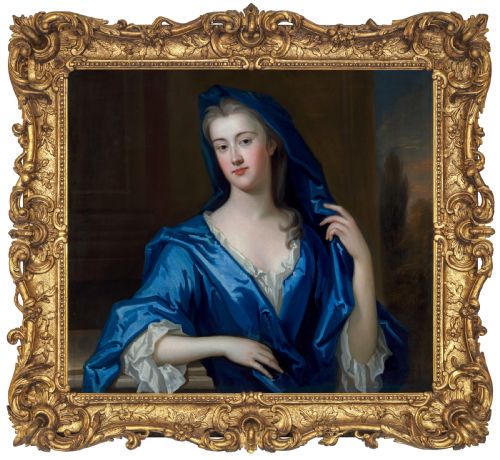
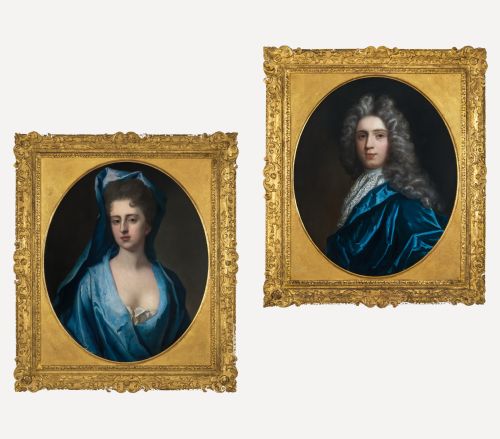
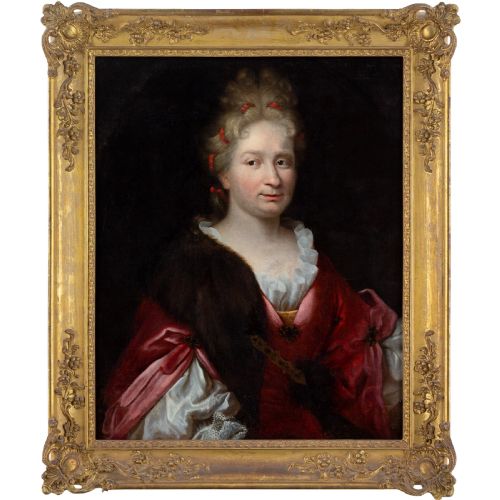
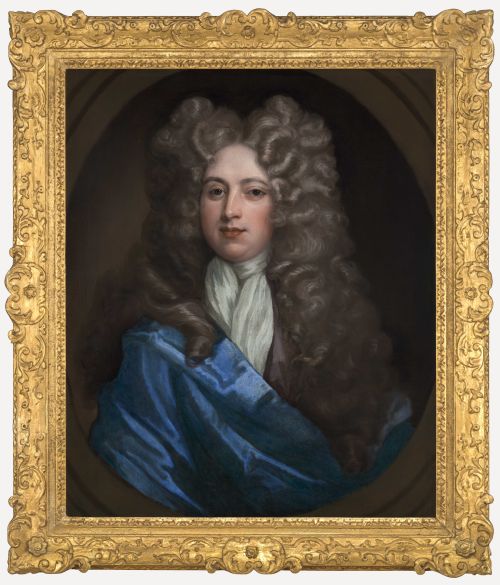
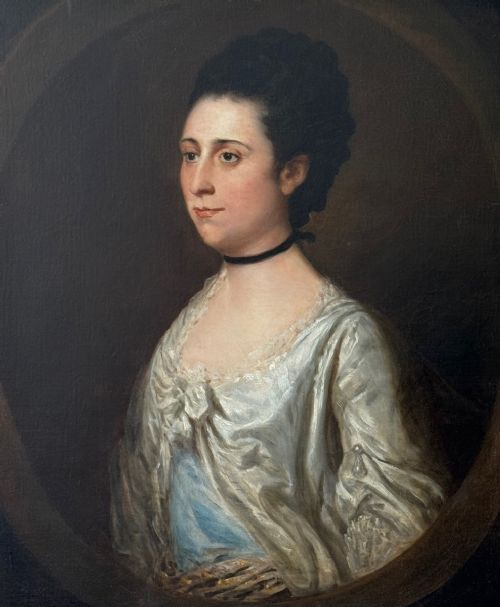
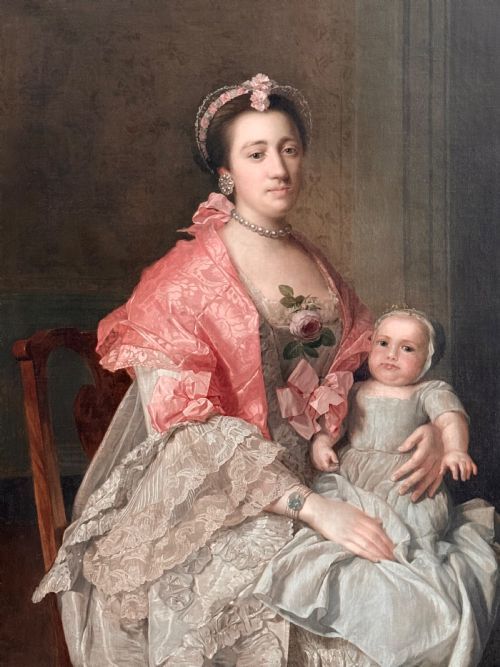
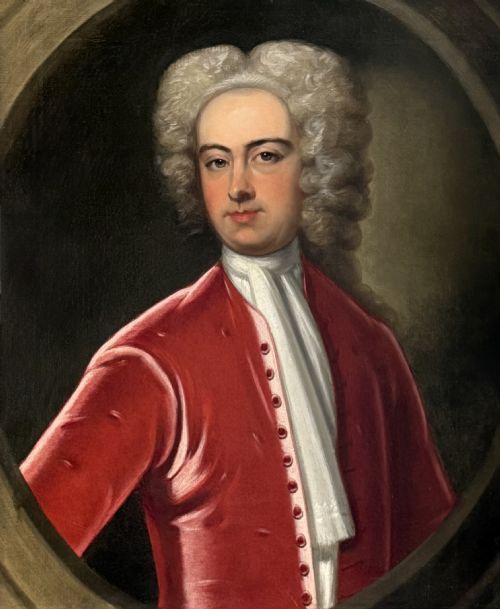
The selections available span periods from the seventeenth century through to the Regency era, reflecting classic British artistic traditions. Portrait paintings dominate the selection, showing sitters rendered in detailed period dress such as scarlet jackets and blue gowns.
Many examples connect directly to established schools or followers of prominent portraitists, providing a tangible link to historical workshops. Buyers encounter both original period canvases and later interpretations executed in traditional oil mediums.
Materials and Construction
These historical works utilise oil paint applied directly onto woven fabric canvas stretched over wooden frames. Artists layered pigments to build depth, capturing textiles, facial expressions, and atmospheric lighting.
Many paintings retain their original or period frames constructed from wood, giltwood, or gold leaf finishes. These surrounds enhance the visual presence of the canvas and protect the outer edges from wear.
Several portraits quietly preserve the likenesses of forgotten captains, country girls, and aristocrats who stare outward across three centuries.
Evaluating Artistic Merit
Quality in these historical canvases rests upon the precision of brushwork, the psychological depth of the portraiture, and the anatomical accuracy of the figures. Finer examples display meticulous attention to lace textures, fabric folds, and the play of light across the sitter's face.
The provenance and direct attribution to named painters or established studio circles elevate certain pieces above anonymous works. Additionally, the survival of the original giltwood frame in good condition contributes to the overall integrity of the piece.
Charles Jervas·Sir Joshua Reynolds·Jean Baptiste Van Loo·John Opie·Thomas Lawrence
The Georgian Canvas Art Painting Glossary
- Oil on Canvas
- A traditional painting technique where pigment suspended in drying oils is applied to a woven fabric support. This combination allows for rich colour blending and lasting durability.
- Giltwood
- Wood carved and coated with a thin layer of gold leaf or gold paint. This material is commonly found framing period artworks.
- Portraiture
- The representation or depiction of a specific person, usually focusing on the face. These works form the majority of historical fine art selections.
- Regency
- A stylistic period spanning the early nineteenth century, associated with classical restraint and elegance in British art and architecture.
- Provenance
- The documented history of ownership of a work of art, tracing its origin and passage through time. This documentation supports authenticity.
Georgian Canvas Art Painting: Frequently Asked Questions
How do I hang a heavy framed canvas?
These substantial works require secure wall anchors and fixings rated for heavy weights to ensure safe suspension.
Position the painting at eye level, ensuring the weight distributes evenly across wall studs or appropriate masonry fixings.
Where should I display these paintings?
Keep historical canvas works away from direct sunlight, radiators, and damp environments to prevent cracking and canvas slackening.
Stable room temperatures and moderate humidity levels help preserve the integrity of both the oil pigment and the wooden stretcher bars.
What is the difference between an original and a later copy?
Period originals date directly to the era of the sitter or the lifetime of the artist, carrying authentic historical material evidence.
Later copies or studio studies date from subsequent periods, created as tributes or training exercises following renowned compositions.