









Georgian Bureau Stand
A georgian bureau stand combines a fall-front writing surface with a raised support structure, offering compact workspace and elegant proportions for a study.
Georgian Bureau Stand
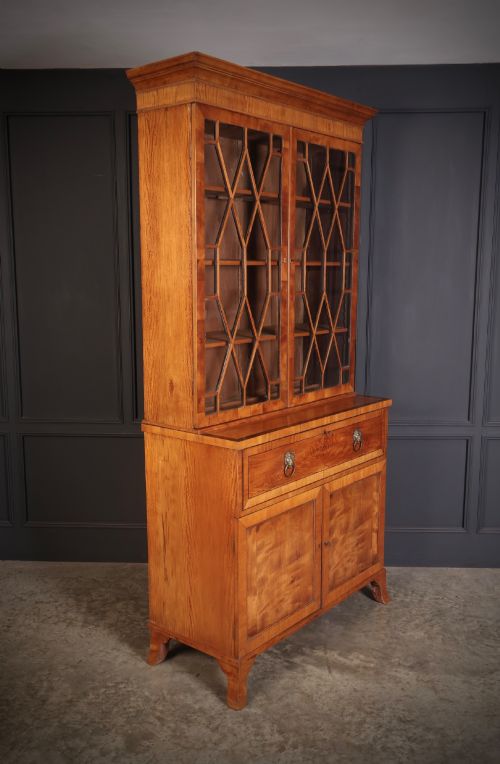
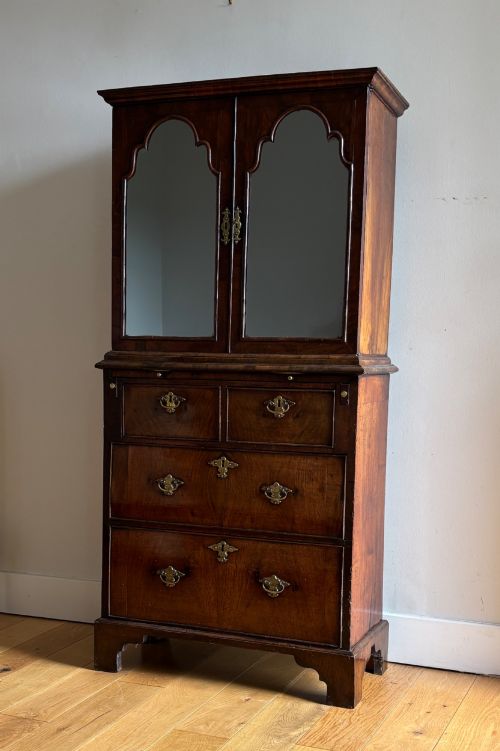
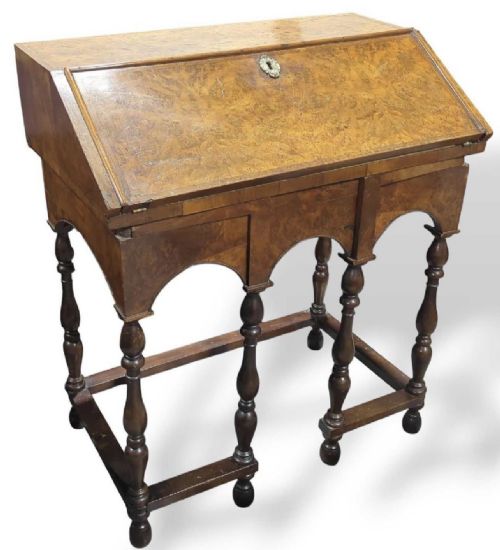
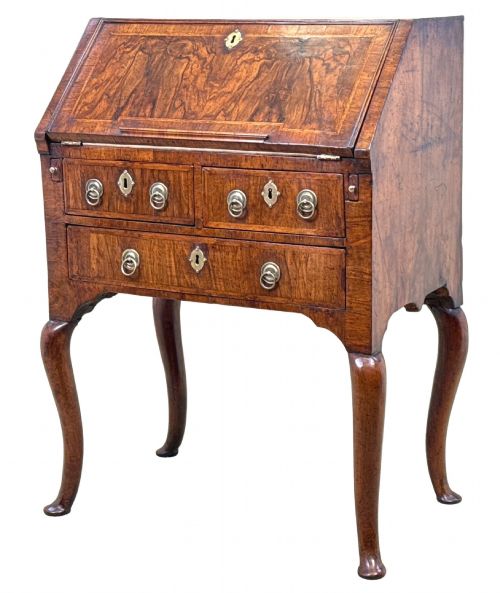
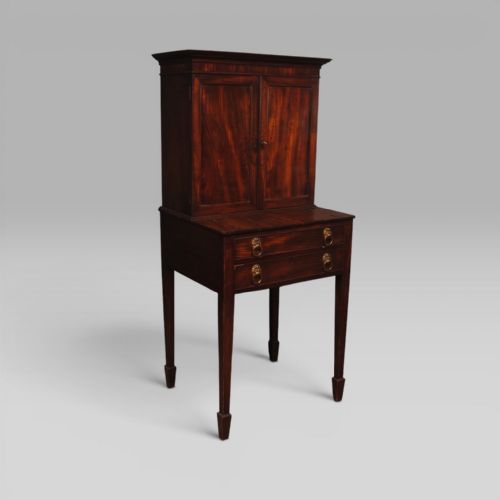
A georgian bureau stand incorporates writing desks, bureaux, writing cabinets, and secretaire bookcases spanning the eighteenth and nineteenth centuries. These pieces unite a fitted writing compartment with elevated legs, stands, or baluster supports.
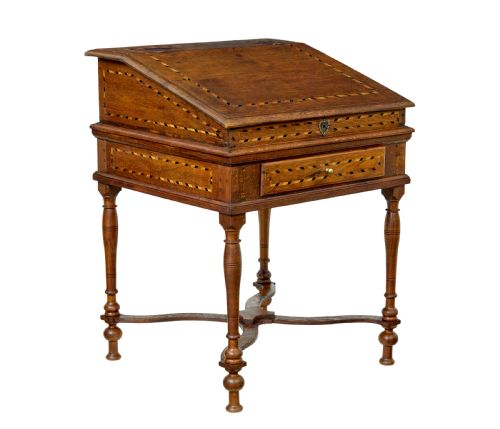
The most frequent examples on this page are walnut and mahogany pieces from the Georgian era, alongside oak clerks' desks and satinwood glazed bookcases. Buyers also encounter Queen Anne style burr walnut versions and Dutch inlaid oak writing slopes.
Origin variations range from English country house estate desks to Chinese export mirrors and Irish mahogany cabinets. Forms extend from compact ladies' writing desks to large George III clerks' desks.
Materials and Construction
Cabinetmakers utilised primary timbers including mahogany, walnut, oak, elm, yew wood, and satinwood, frequently selecting burr walnut, burr elm, and burr walnut veneers for decorative surfaces. These hardwoods provided both structural strength and rich grain patterns.
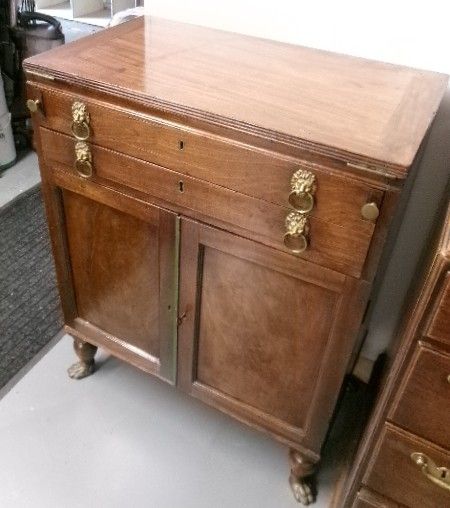
Hardware additions relied on brass for handles, escutcheons, and paw feet, while glass panel doors appeared on glazed secretaire bookcases. Construction methods joined these timber and metal elements to create functional writing furniture.
Georgian Bureau Stand Retail Price Guide 2026
Typical asking prices for georgian bureau stand among the pieces listed under this phrase on Sellingantiques today, from the lower quarter to the upper quarter. They describe what is for sale here now, not the wider market.
One exceptional Chinese export dressing mirror from the early eighteenth century shares space with sturdy oak clerks' desks.
Judging Quality
Quality rests upon timber selection and the skill of the cabinetmaker in figuring veneers like burr walnut and satinwood. Uniform grain matching across the fall front and drawer facades separates superior examples from simpler utilitarian pieces.
The integration of the bureau body with its stand or supports defines structural excellence. Refined leg turnings, such as baluster supports or brass paw feet, indicate careful proportioning that distinguishes fine estate furniture from standard clerks' desks.
The Georgian Bureau Stand Glossary
- Bureau
- A writing desk featuring a sloping hinged lid that drops to form a writing surface and encloses small drawers and pigeonholes. This form sits upon legs or a dedicated stand.
- Stand
- A supporting frame with legs that elevates the bureau cabinet above the floor. Baluster supports and straight legs frequently form this underframe.
- Secretaire bookcase
- A tall piece combining a bureau writing section with upper shelving enclosed by glazed doors. These cabinets provide both storage and writing facilities.
- Baluster
- A moulded column or support turned on a lathe with a swelling profile. These supports often lift early walnut bureaux.
- Escritoire
- A writing cabinet or desk used for correspondence and document storage. This term appears interchangeably with secretaire.
Georgian Bureau Stand: Frequently Asked Questions
What is a bureau stand?
A bureau stand is a writing desk with a sloping fall-front that encloses small compartments, elevated on a distinct frame, legs, or baluster supports rather than resting on a solid chest of drawers.
This raised construction creates a lighter visual presence in a room while maintaining a practical surface for correspondence and storage.
How do I distinguish walnut from mahogany pieces?
Walnut furniture typically displays warmer, golden-brown tones with pronounced grain figures, often enhanced by burr veneers, and predominates in early pieces. Mahogany exhibits a deeper reddish-brown hue and became the favoured timber later in the eighteenth century.
Examining the grain pattern and the natural colour under natural light reveals which hardwood timber the cabinetmaker employed.
Where were these desks used?
These desks served in country house estates, studies, and private chambers for letter writing, record keeping, and managing correspondence. Clerks' desks fulfilled commercial and administrative functions in offices.
Their compact proportions allowed them to fit easily into private rooms as well as principal reception spaces.
How do I care for a wood bureau?
Maintain wood bureaux by keeping them away from direct sunlight and sudden temperature shifts that dry out timber and veneers. Apply a quality natural wax periodically to nourish the surface and preserve the finish.
Avoid placing damp items directly onto the writing surface to protect the historic polish and timber grain.