



Georgian Brass Cookware
Georgian brass cookware brings heavy utilitarian metalwork to the hearth, offering functional vessels shaped by early nineteenth-century kitchen needs.
Georgian Brass Cookware
Georgian brass cookware comprises heavy hearth vessels and kitchen utensils originating from the Georgian and George III periods. Buyers searching for georgian brass cookware encounter utilitarian items designed for daily culinary tasks over open flames.
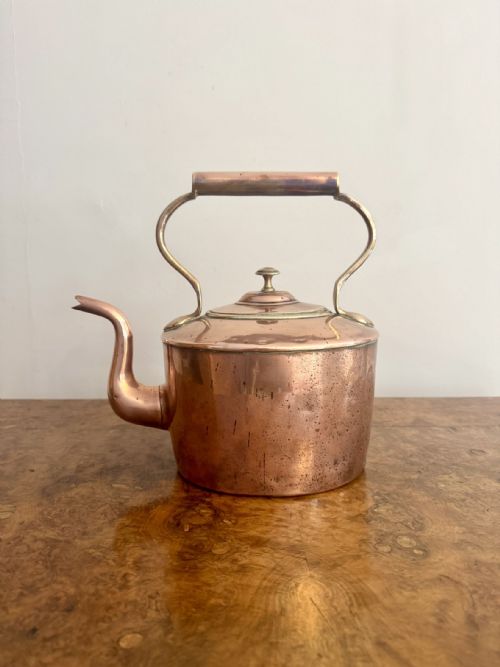
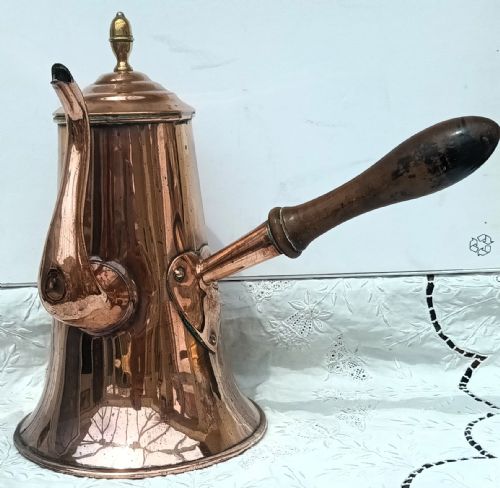
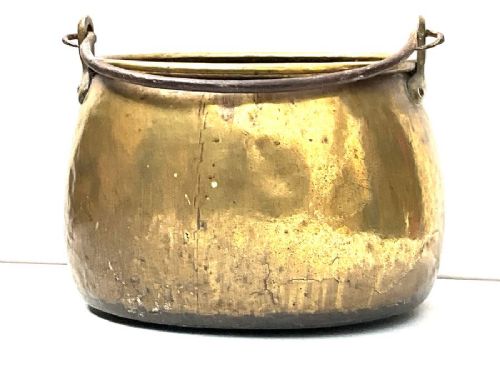
The selection here includes substantial brass pans intended for display alongside related copper kettles, coffee pots, and bronze roasting dishes. These pieces represent the robust domestic hardware of eighteenth and nineteenth-century English kitchens.
Forms span from large preserving dishes and duck roasting pans to heavy pans and kettles. Most examples date from around seventeen-fifty to eighteen-hundred, reflecting the standard manufacturing output of the era.
How they were made
Metalworkers shaped these kitchen items primarily from brass, copper, bronze, and wrought iron using traditional hammering and casting techniques. Heavy metal sheets and cast components formed the durable walls necessary to withstand direct hearth heat.
Many vessels incorporated wooden handles or iron fittings to assist with lifting heavy contents during food preparation. The combination of brass bodies with iron or wood details demonstrates practical construction suited to heavy domestic use.
Georgian Brass Cookware Retail Price Guide 2026
Typical asking prices for georgian brass cookware among the pieces listed under this phrase on Sellingantiques today, from the lower quarter to the upper quarter. They describe what is for sale here now, not the wider market.
Listings feature items spanning from seventeen-fifty through the nineteenth century, utilising brass, copper, bronze, iron, and wood.
What varies in quality
Substantial weight and thickness distinguish the superior vessels from lighter everyday domestic utensils. Substantial gauge metal ensured durability across decades of heavy hearth use.
Proportion and surface finish separate purely utilitarian items from finer examples intended for prominent kitchen display. Maker attribution, such as work by established metalworking firms, elevates certain pieces above standard anonymous workshop output.
William Soutter And Sons
The Georgian Brass Cookware Glossary
- Georgian
- The period spanning the reigns of the first four Georges, from seventeen-fourteen to eighteen-thirty. This era produced distinctive domestic metalwork defined by robust utility and classical proportions.
- George III
- The reign from seventeen-sixty to-eighteen-twenty, encompassing the bulk of the listed cookware and metal vessels. Pieces from this span often display characteristic hand-beaten surfaces.
- Preserving dish
- A wide, deep pan utilised for boiling fruit, sugar, or meats during domestic food preservation. These heavy vessels required thick metal walls to distribute heat evenly.
- Bronze
- An alloy consisting primarily of copper, traditionally combined with tin. This robust material provided exceptional strength for heavy roasting pans and hearth utensils.
Georgian Brass Cookware: Frequently Asked Questions
What is georgian brass cookware?
Georgian brass cookware comprises heavy metal vessels and kitchen utensils produced during the eighteenth and early nineteenth centuries. These items were designed for practical food preparation over open hearths.
Today, collectors value these robust pieces for their historical utility and display qualities in traditional kitchen settings.
How were these pans used?
These vessels served everyday culinary functions, including boiling water, roasting meats like duck, and preserving foodstuffs. Their heavy construction allowed them to withstand intense fireplace heat.
Over time, many transitioned from active kitchen duty to decorative display pieces within the home.
How do I date a piece?
Dating relies on stylistic markers, construction methods, and materials consistent with the Georgian period and the reign of George III. Heavy hand-hammered seams and specific handle attachments provide chronological clues.
Comparing known maker marks, such as those from nineteenth-century firms, further helps establish the timeframe of manufacture.
How do I care for brass cookware?
Maintenance involves gentle cleaning to preserve the historic surface and metal patina without removing evidence of age. Avoid harsh abrasive compounds that can scratch the soft brass and bronze surfaces.
Displaying the pieces in dry environments prevents accelerated oxidation and keeps the metal stable.