




Georgian Brass Container
These georgian brass container pieces are robust vessels and boxes built for daily utility, offering enduring character for any interior.
Georgian Brass Container
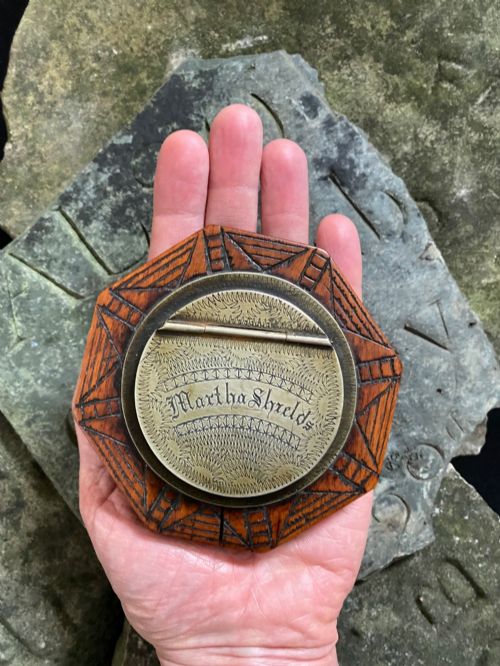
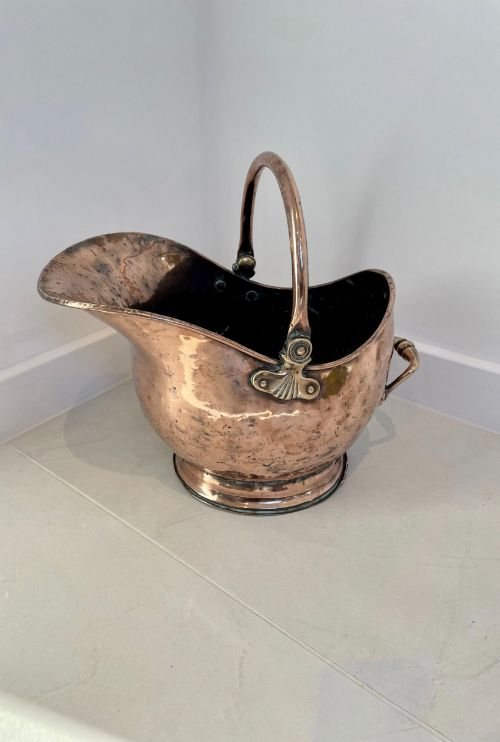
When you search for a georgian brass container, you encounter a practical category spanning log bins, coal scuttles, tea caddies, and table snuff boxes. These objects serve hearthside and tabletop functions, combining timber bodies with metal hardware.
The most frequent examples on this page are mahogany or copper vessels reinforced with brass banding, alongside smaller boxes fashioned from walnut, rosewood, and inlaid woods.
How they were made
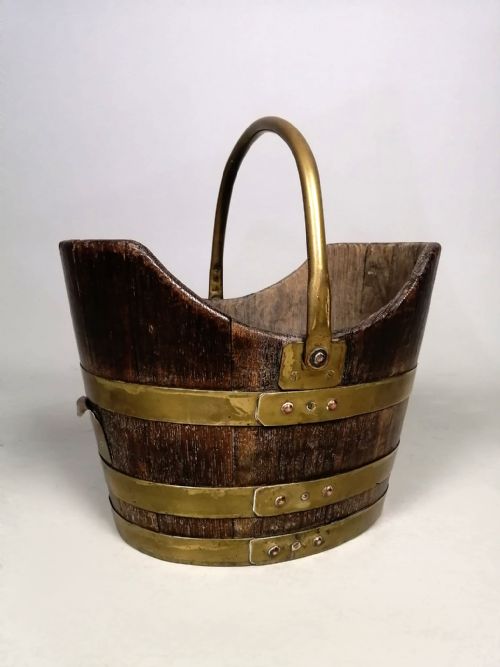
Construction relies on solid timbers like mahogany, oak, walnut, and rosewood, often shaped into stave-built buckets, barrels, and rectangular boxes. These wooden frames receive substantial brass bands, handles, and mounts fastened securely to handle heavy loads of coal, logs, or plate.
Georgian Brass Container Retail Price Guide 2026
Typical asking prices for georgian brass container among the pieces listed under this phrase on Sellingantiques today, from the lower quarter to the upper quarter. They describe what is for sale here now, not the wider market.
Listings feature materials spanning copper, mahogany, oak, walnut, rosewood, and brass across the eighteenth and nineteenth centuries.
What varies in quality
Quality rests in the weight of the materials and the precision of the joinery, distinguishing heavy, utilitarian wine coolers and log bins from lighter decorative items. Thick, well-fitted brass banding and substantial timber thickness indicate superior original manufacture.
The refinement of surface detail also sets pieces apart, seen in crisp brass inlay, neat dovetailing, and well-preserved patination across both copper scuttles and wooden tea caddies.
The Georgian Brass Container Glossary
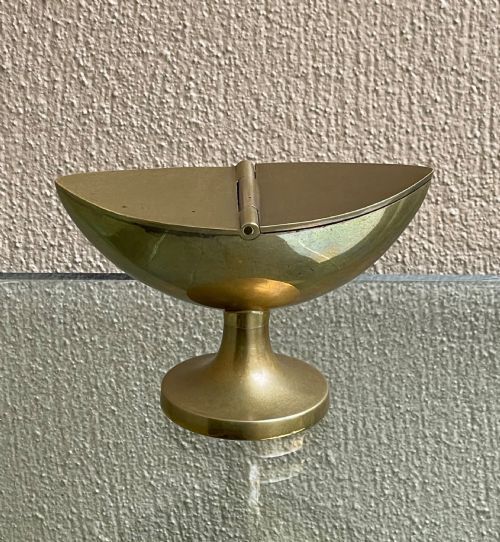
- Navette
- A pointed, boat-shaped form often seen on Georgian table snuff boxes and small containers.
- Sarcophagus
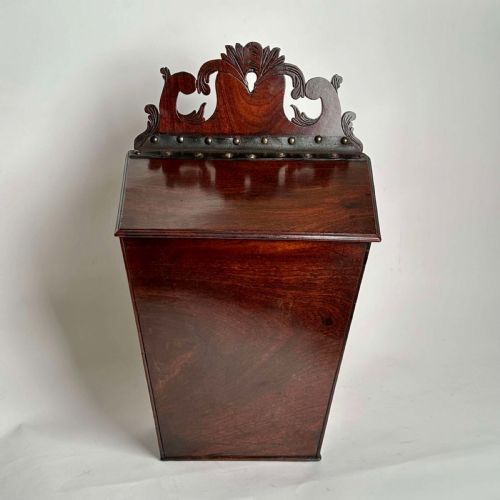
- A box or tea caddy style featuring a sloping, pedestal-mounted body reminiscent of a stone coffin.
- Teapoy
- A small stand or large caddy designed to hold multiple varieties of tea, typically fitted with interior canisters.
- Pique work
- A decorative technique involving tiny points of brass or precious metal inlaid into a tortoiseshell or wooden surface.
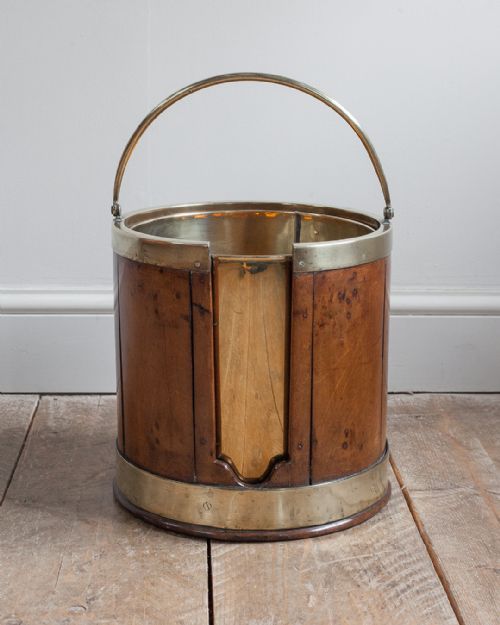
- Plate bucket
- A deep, stave-built container fitted with brass bands, originally used for carrying dining plates.
Georgian Brass Container: Frequently Asked Questions
What were these containers used for?
Larger vessels like coal scuttles, log bins, and plate buckets managed heavy hearth and dining room duties. Smaller items such as snuff boxes and tea caddies stored personal tobacco and valuable dry leaves.
Over time, these utilitarian objects transitioned into decorative accessories, bringing historical texture into modern living spaces.
How do I care for brass and mahogany?
Keep wooden surfaces nourished with appropriate wax to maintain the grain and prevent dryness. Clean brass components gently with a dry cloth to preserve their natural tone.
Avoid placing these items near direct heat sources or in damp environments to protect the joins between wood and metal.
How do I spot a Regency piece?
Regency items often display bolder classical influences, incorporating richer rosewood timbers and distinct brass inlay patterns. These pieces tend to date from the early nineteenth century.
Look for architectural forms like sarcophagus tea caddies and clean, unadorned structural lines typical of the period.
What is a brass banded bucket?
A brass banded bucket is a stave-constructed wooden vessel encircled by structural metal bands for reinforcement. They were commonly utilised for holding coal, wine bottles, or dining plates.
Unlike simple decorative buckets, these feature robust handles and thick timbers designed to withstand heavy contents.