
Georgian Box
A georgian box brings tangible history to a desk or table, offering compact storage shaped by centuries of practical domestic use.
Georgian Box
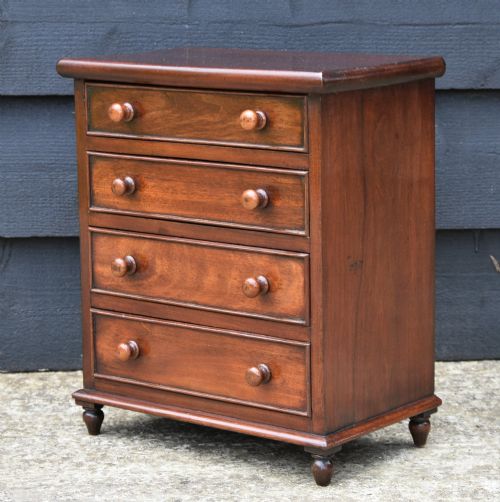
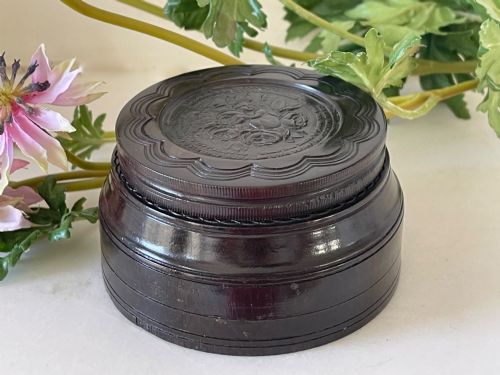
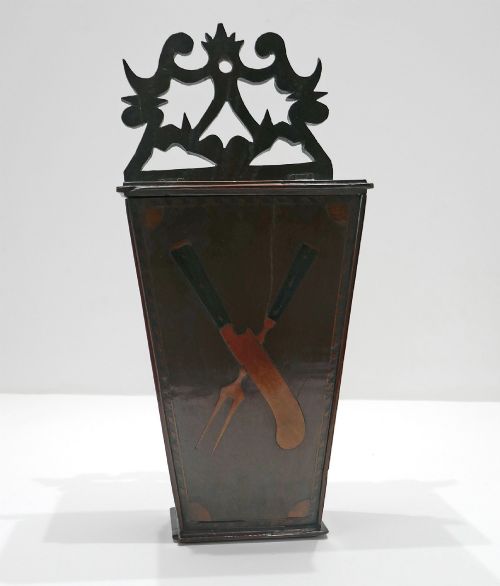
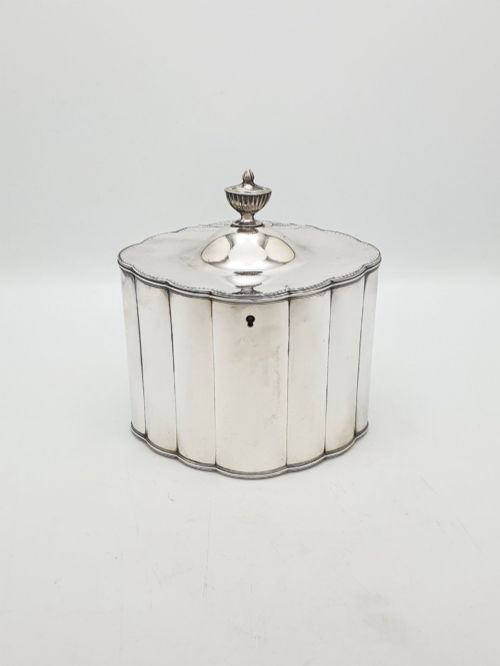
A georgian box encompasses small personal containers, tea caddies, and storage chests originating primarily from the eighteenth and early nineteenth centuries. These pieces reflect the varied domestic and social habits of the period, serving tasks from holding leaf tea to storing personal documents.
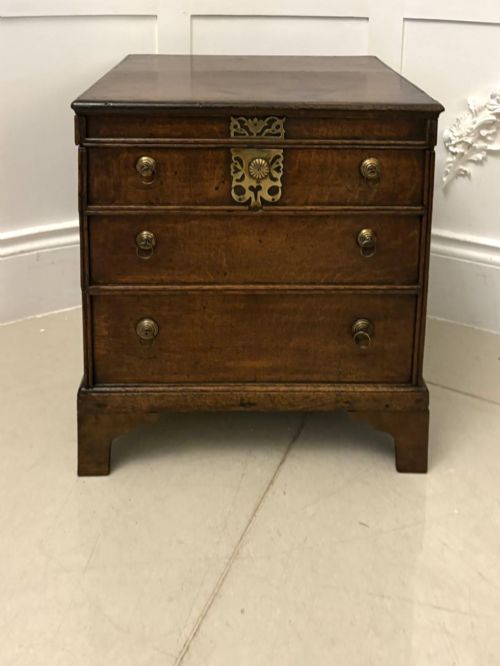
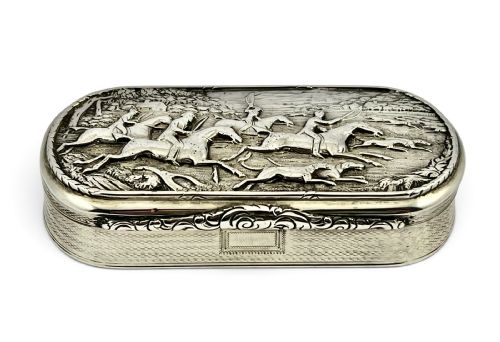
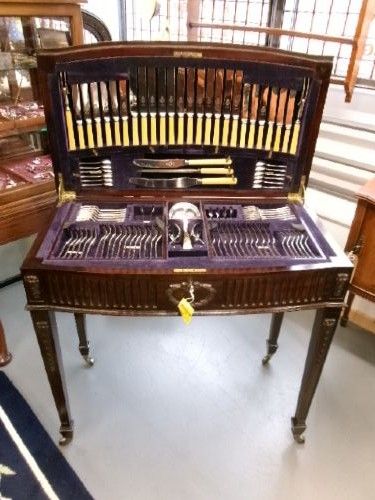
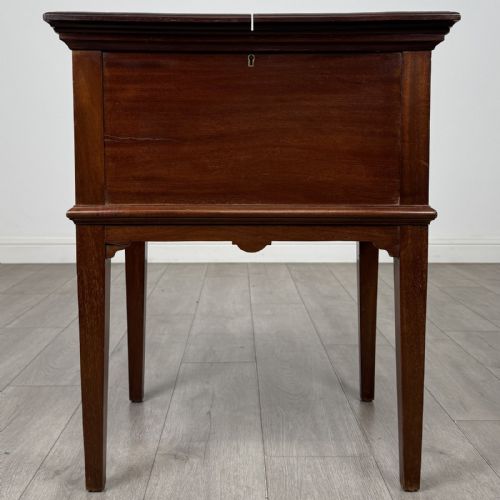
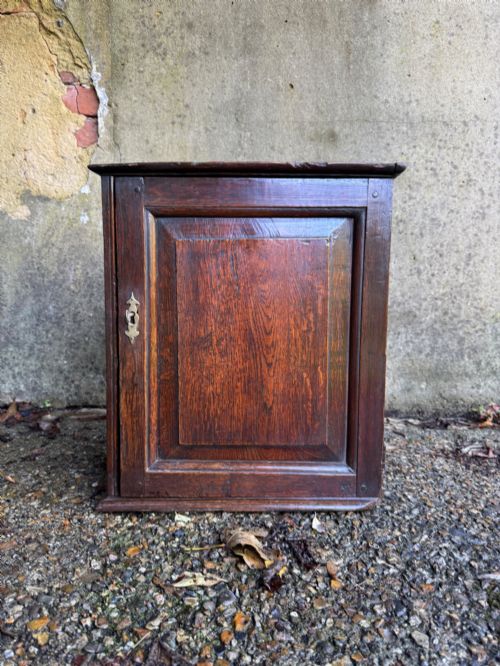
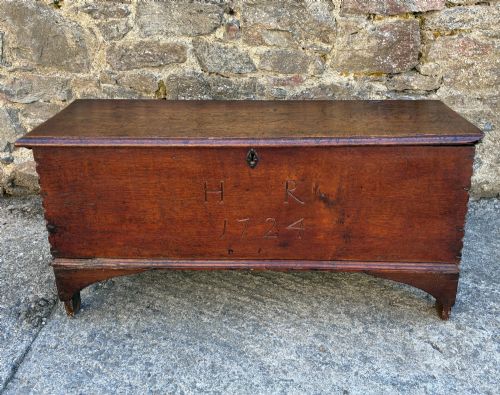
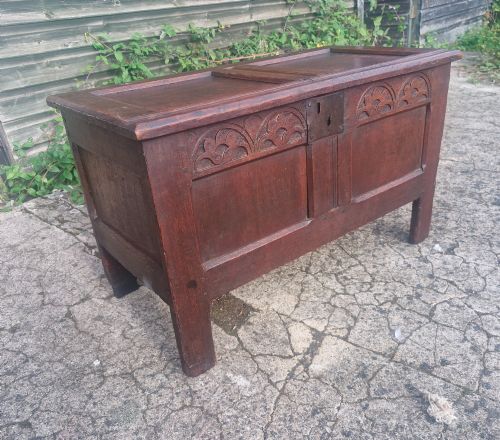
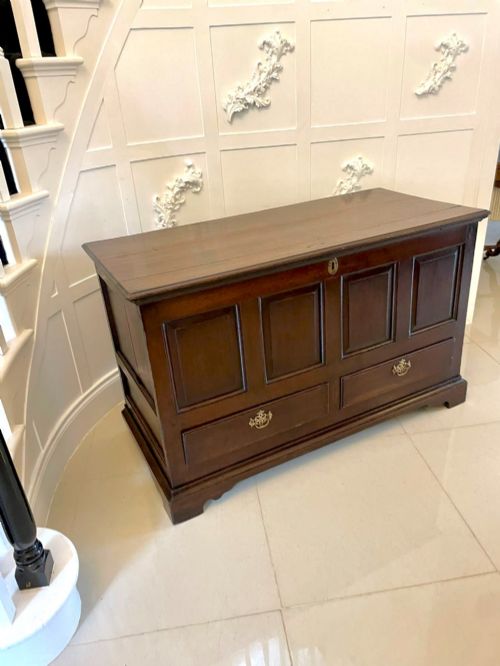
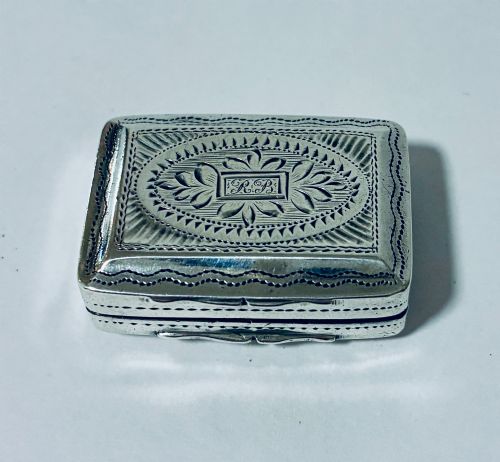
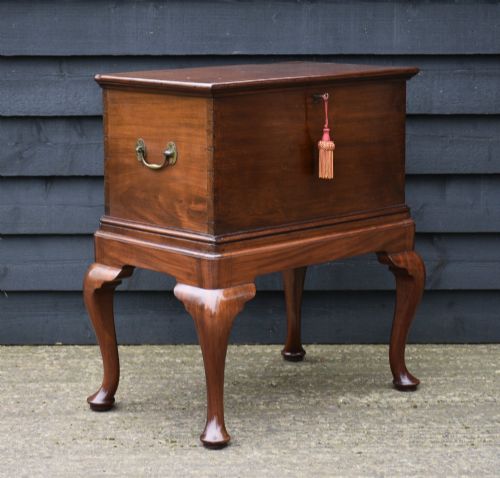
The most common examples on this page are mahogany tea caddies, oak spice cupboards, and small silver snuff boxes bearing hallmarks from London or regional offices. Larger storage forms such as oak mule chests and mahogany cellarettes also appear frequently among the listings.
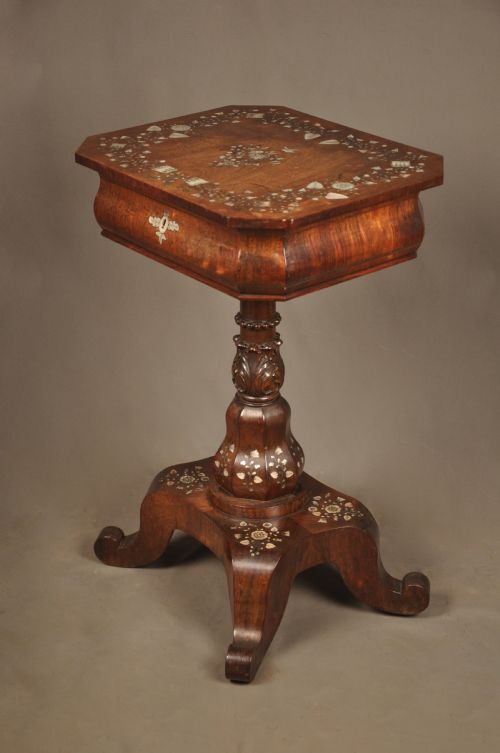
Makers utilised native and imported timbers, mounting them with brass handles, bone details, and intricate locks. Survival rates favour sturdy oak and dense mahogany over fragile straw-work or paper-covered variants.
Materials and construction
Makers constructed structural carcases from native oak, elm, and imported mahogany, joining panels with dovetails or pegged tenons. Secondary timbers such as pine or cedar frequently appear inside drawers and partitions.
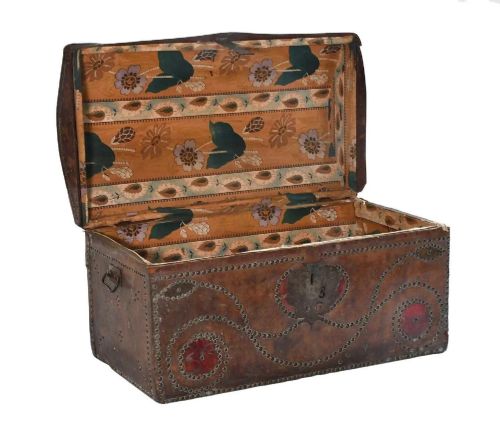
Surface decoration relies on boxwood and ebony stringing, brass binding, and engine-turned metalwork rather than applied paint. Silver elements receive hallmarks to certify purity and origin, while leather and studded details reinforce heavy travelling trunks.
Listings feature oak, mahogany, elm, brass, sterling silver, bone, and tortoise shell across eighteenth and nineteenth-century forms.
Distinctions in quality
Quality depends on the precision of the joinery and the selection of timber figures, such as flame mahogany or quarter-sawn oak. Superior examples retain original brassware, working locks by makers like Bramah, and intact interior compartments.
Lesser pieces show extensive timber replacement, mismatched hardware, or clumsy repairs to hinges and feet. The presence of original fitted interiors distinguishes a utilitarian container from a master cabinetmaker's work.
Taylor & Perry·Upjohn of Exeter·Joseph Wilmore
The Georgian Box Glossary
- Tea caddy
- A small container designed to store loose tea leaves, often featuring internal lidded compartments to keep blends separate.
- Cellarette
- A fitted box or cabinet used for storing bottles of wine or spirits, frequently lined with lead or partitioned for individual decanters.
- Mule chest
- A blanket chest incorporating one or more drawers at the base, bridging the transition between simple coffers and full chests of drawers.
- Vinaigrette
- A small ornamental hinged box containing a perforated grill, used to hold a sponge soaked in aromatic vinegar.
- Apprentice piece
- A miniature item demonstrating a craftsman's skill to gain admission to a trade guild.
Georgian Box: Frequently Asked Questions
What were tea caddies used for?
Tea caddies held expensive tea leaves securely under lock and key in the parlour or dining room. Servants typically kept the key to prevent pilfering of the precious leaves.
Locked compartments inside separated green and black teas, protecting flavours from moisture and light.
How do I identify a cellarette?
A cellarette functions as a heavy bottle storage container, often standing on short legs or floor-standing brackets. Interiors frequently feature partitioned grids to hold glass decanters safely.
Many examples date from the georgian period and utilise mahogany bound with brass hoops.
What is an apprentice piece?
An apprentice piece is a miniature item created by a craftsman to demonstrate technical proficiency before joining a trade guild. These small chests and cabinets replicate full-scale furniture with scaled joinery.
Craftsmen often used leftover timber from larger commissions to build them.
How should I care for antique wood?
Keep wooden boxes away from direct heat sources and fluctuating humidity to prevent timber splitting and veneer lifting. Natural wax applications maintain the sheen of mahogany and oak surfaces.
Avoid excessive moisture during cleaning and use soft, dry cloths.