



Georgian Architectural Ornament
Georgian architectural ornament brings structural elements and decorative carvings into interiors and gardens, offering tangible historical character for period properties.
Georgian Architectural Ornament
Georgian architectural ornament covers a diverse group of items removed from buildings or designed for structural display, spanning the eighteenth and early nineteenth centuries. When you search for georgian architectural ornament, you encounter stone garden elements, carved timber panels, and ironwork gathered from period properties.
The selection ranges from robust outdoor salvage like staddle stones and sandstone keystones to delicate interior limewood carvings and porcelain spill vases shaped like castles. Vernacular pieces sit alongside finely carved works executed in the Thomas Chippendale style.
Objects include gothic carved oak finials, ceiling boss panels, buff clay chimney pots, and folk art weathervanes depicting silhouettes. These items reflect the varied building practices and decorative ambitions of the Georgian and Regency eras.
How they were made
Woodwork relies on hand carving in timbers such as oak and limewood, producing intricate ceiling bosses, finials, and classical scrollwork. Stonework utilises sandstones, Cornish granite, and carved stone shaped into baskets, keystones, and staddle stones using traditional mason's tools.
Metals appear in wrought iron boot scrapers and weathervanes formed by blacksmiths, while ceramics comprise porcelain spill vases and buff clay chimney pots shaped through moulding and firing. Gilding frequently enhances carved wooden surfaces to add reflective depth.
Georgian Architectural Ornament Retail Price Guide 2026
Typical asking prices for georgian architectural ornament among the pieces listed under this phrase on Sellingantiques today, from the lower quarter to the upper quarter. They describe what is for sale here now, not the wider market.
Listings feature oak, limewood, sandstone, and wrought iron across the eighteenth and nineteenth centuries.
What varies in quality
Quality rests primarily on the depth and crispness of the hand carving, distinguishing confident artistic execution from routine joinery. Superior timber carvings exhibit sharp undercut details and well-resolved proportions characteristic of skilled workshops.
Material selection and weathering also determine standing, as dense sandstones and durable granites retain structural integrity better than softer stones. The purity of historical style, whether vernacular folk art or refined Chippendale design, dictates the visual impact of each piece.
The Georgian Architectural Ornament Glossary
- Staddle stone
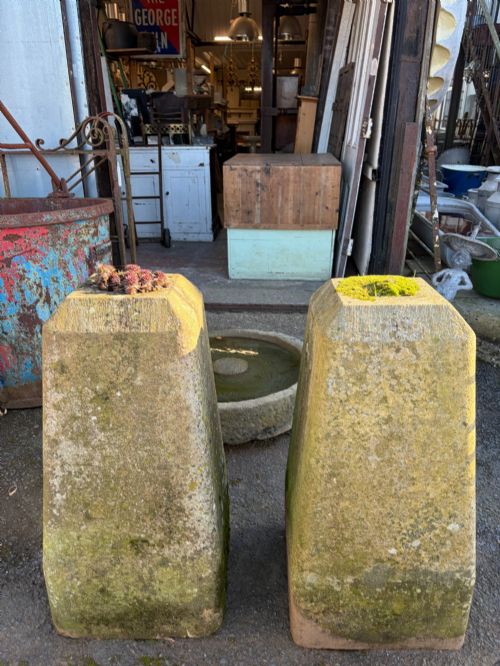
- A mushroom-shaped stone support originally used to elevate granaries and barns off the damp ground. These architectural elements now function as garden ornaments.
- Keystone
- The central wedge-shaped stone at the apex of an arch that locks the other stones in place. Surviving examples often display carved dates or heraldic motifs.
- Ceilings boss
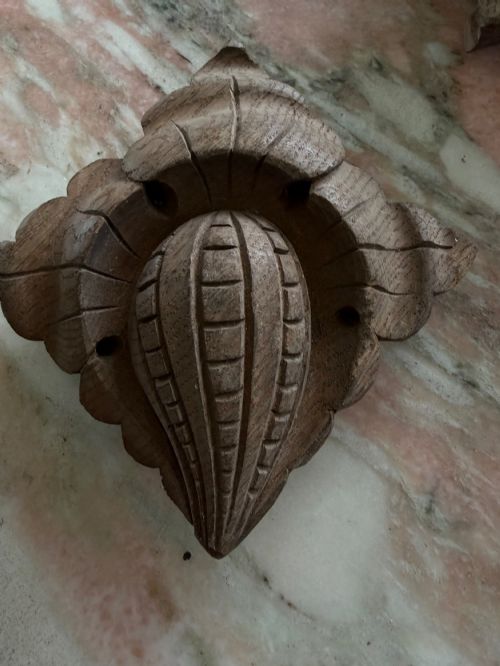
- A decorative projecting block placed at the intersection of ribbed vaulting in a ceiling. These carved wooden panels ornamented important rooms in Georgian buildings.
- Finial
- An ornamental crowning detail placed at the apex of a gable, roof, or piece of furniture. Gothic examples often feature pointed, leaf-like foliage.
- Spill vase
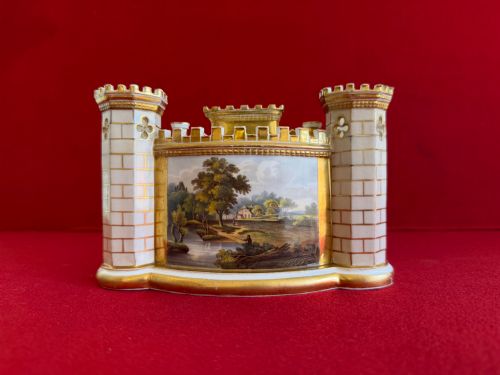
- A small ceramic or glass vessel designed to hold thin wooden spills used for lighting fires and candles. Porcelain versions were sometimes moulded in whimsical architectural shapes like castles.
Georgian Architectural Ornament: Frequently Asked Questions
What is a staddle stone?
A staddle stone is a mushroom-shaped architectural support traditionally used to keep timber granaries above ground level to prevent damp and vermin. They consist of a base and a separate cap.
Today they serve as sculptural garden ornaments and historical salvage pieces in various granites and sandstones.
Where did architectural ornaments go?
These items were salvaged from period buildings during renovations, demolitions, or landscape alterations over the centuries. They include structural stones like keystones and decorative elements such as ceiling bosses.
Rescuing them preserves the craftsmanship of Georgian builders and allows modern owners to incorporate authentic period fabric into homes and gardens.
How do I date stone carvings?
Dating stone architectural salvage relies on tool marks, weathering patterns, geological material, and stylistic conventions of the period. Eighteenth-century pieces often display hand-chiselled surfaces and vernacular designs.
Comparing the form and lettering style to dated examples helps narrow down the decade of creation.
How do I use finials indoors?
Carved wooden finials and architectural panels can be mounted on walls as sculptural art or displayed on mantelpieces and shelves. Their intricate woodwork brings historical texture to neutral spaces.
Displaying them on custom stands highlights their original function as decorative roof or furniture terminals.