




George V Silver Napkin Rings
George v silver napkin rings are solid table accessories from the early twentieth century that bring practical elegance to dining.
George V Silver Napkin Rings
When you search for george v silver napkin rings, you encounter small circular bands made for individual table settings during the reign of King George V. These pieces typically date between nineteen-ten and nineteen-thirty-six, reflecting the design shifts of that era.
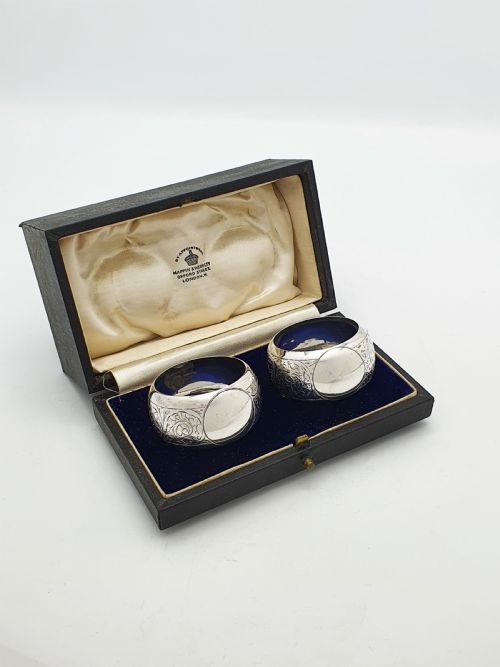
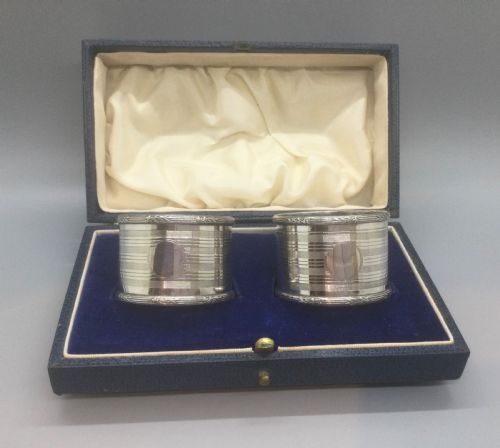
You are most likely to meet single items, matched pairs, or larger sets of four and six, frequently housed in fitted presentation cases lined with silk, velvet, or leatherette. Birmingham assay marks dominate the selections alongside occasional regional hallmarks.
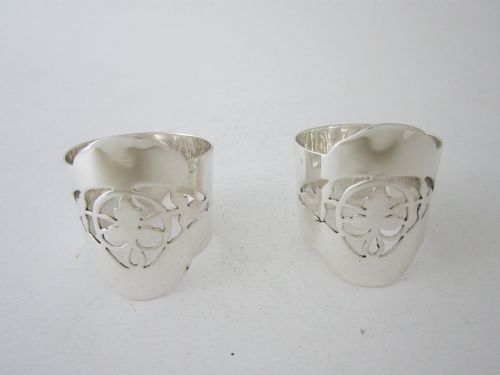
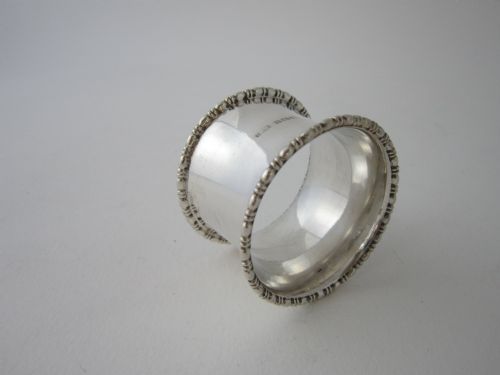
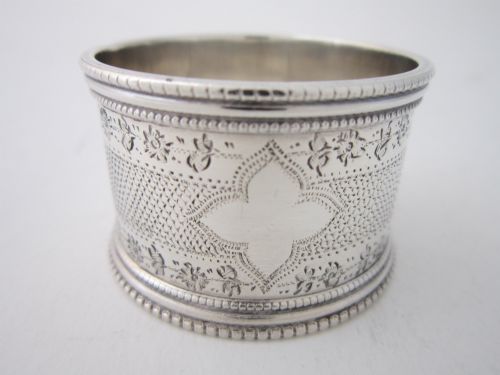
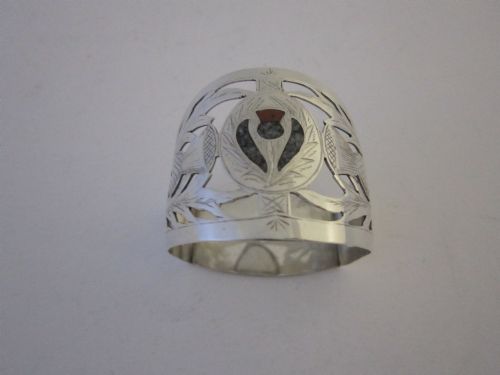
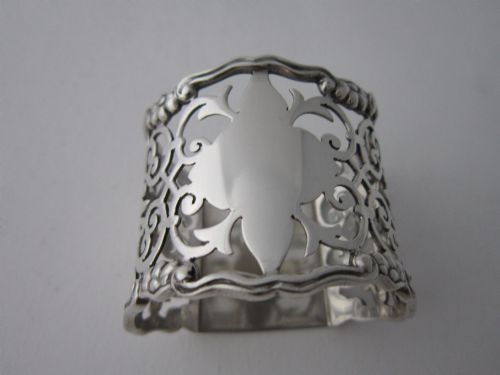
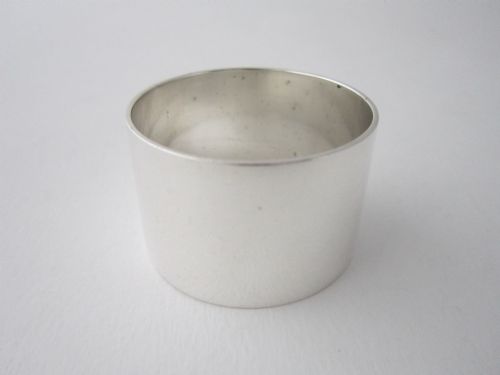
The styles span traditional plain bands through to Arts and Crafts interpretations and geometric Art Deco shapes. Certain examples incorporate decorative motifs such as pierced work, applied wirework, or engraved patterns.
Materials and construction
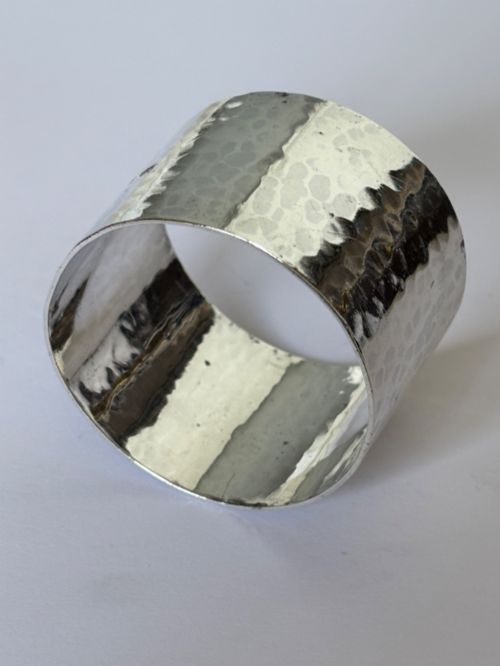
Silversmiths formed these napkin rings primarily from sterling silver, hammering sheet metal into shape or casting heavier forms. Workshops utilised techniques like hand-hammering to create textured surfaces or applied geometric elements to suit contemporary tastes.
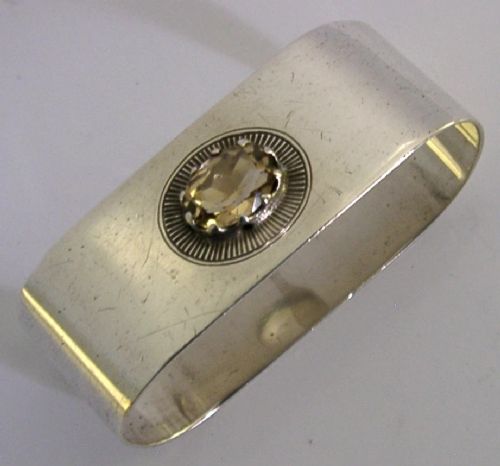
Selected pieces incorporate gemstones such as citrine and agate, mounted directly into the silver framework. Presentation boxes lined with fabric fabrics like silk and velvet complement the metalwork.
Makers finished the silver by polishing or leaving deliberate tool marks visible, particularly on pieces influenced by the Arts and Crafts movement.
The archive shows a strong representation of Birmingham hallmarked pieces alongside occasional gemstone embellishments like agate and citrine.
Judgments of quality
The gauge of the sterling silver sets the foundation for quality, distinguishing lightweight bands from heavy, substantial examples that retain their rigid circular form without distortion. Gauge dictates both the tactile weight in the hand and the durability during daily dining use.
Execution of detail separates standard commercial production from workshop pieces created by notable makers or guilds. Crisp hallmarks, clean piercing, and secure gemstone settings indicate higher manufacturing standards.
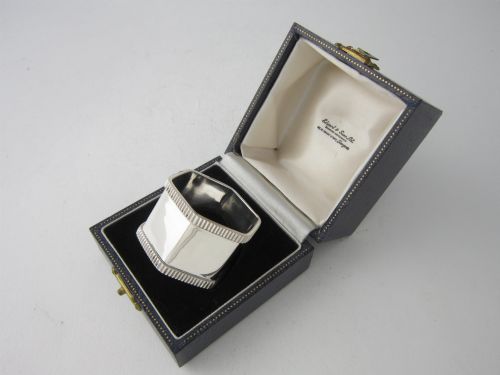
Survival of the original fitted case adds considerable context and integrity to pairs and sets, preserving the item alongside its period housing.
ALBERT EDWARD JONES·Guild of Handicraft·AH BULLOCK·Hutton & Sons·George Unite
The George V Silver Napkin Rings Glossary
- Hallmark
- Official marks stamped on precious metals indicating the standard of purity, the assay office, and the date letter. These stamps provide definitive proof of origin and age.
- Sterling silver
- An alloy comprising ninety-two point five percent silver and seven point five percent other metals, usually copper. This standard composition balances durability with lustrous appearance.
- Assay office
- An official body that tests the purity of precious metals and applies hallmarks. Birmingham served as a major centre for silver production in this period.
- Pierced work
- A decorative technique involving the cutting or piercing of patterns through the metal sheet. This method lightens the object while creating intricate openwork designs.
- Arts and Crafts
- A design movement promoting handcraftsmanship and traditional techniques over mass production. Pieces from this tradition often display visible hammer marks or handcrafted details.
George V Silver Napkin Rings: Frequently Asked Questions
How were napkin rings used?
Napkin rings were assigned to individual family members or guests at the dining table to identify and store linen napkins between meals. This practice kept dining linens organised across multiple uses.
In many households, numbered sets ensured each diner retained their specific ring throughout the week. They formed a standard part of domestic silver service.
How do I clean silver napkin rings?
Clean sterling silver using a soft cloth and a specialised silver polish designed to remove tarnish without abrading the metal surface. Avoid harsh chemical dips that strip away the natural patina.
Store the rings in dry conditions, ideally within their original lined cases, to slow the accumulation of tarnish over time.
Are cased sets more desirable?
Sets complete with their original fitted presentation boxes generally attract more interest from collectors because the packaging survives intact. The cases protect the silver and often feature period silk or velvet linings.
Uncased examples remain functional and collectible, but the presence of the original case adds historical completeness.
How do I identify the date?
Date identification relies on the official hallmark stamped directly into the silver, which includes a specific letter corresponding to the year of assay. Reference tables match these letters to specific assay office cycles.
Stylistic cues, such as geometric Art Deco lines or hand-hammered Arts and Crafts surfaces, also help narrow down the period of manufacture.