

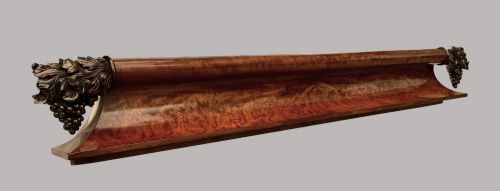


George IV Box
These George IV box finds bring the refined cabinet-making and silver-smithing of the early nineteenth century straight to a modern desk or mantel.
George IV Box
The pieces appearing on this page most commonly include timber tea caddies in exotic woods alongside pocket-sized silver and gold snuff boxes.
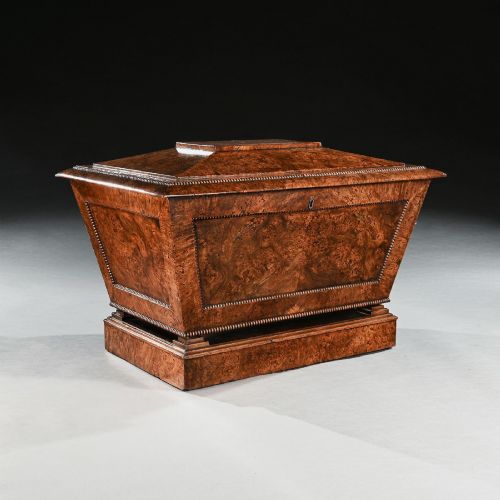
Buyers also encounter larger furnishings housing internal compartments, such as cellarettes and sewing tables operating on box principles from the same period.
Materials and construction methods
Cabinet-makers utilised dense tropical timbers like rosewood, mahogany, gonçalo alves, and pollard oak, frequently enhanced with intricate amboyna marquetry.
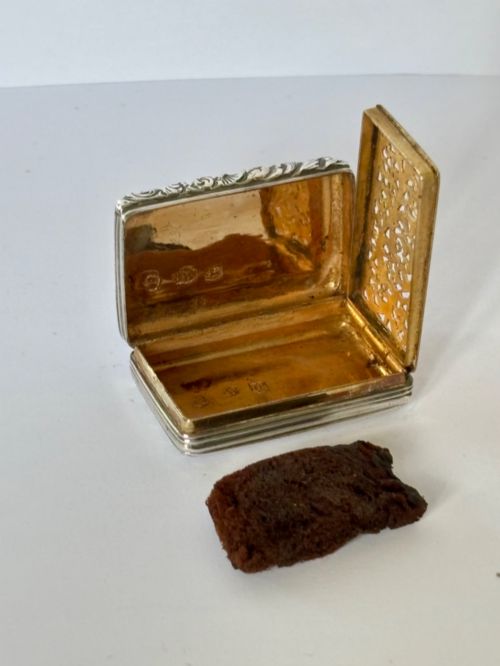
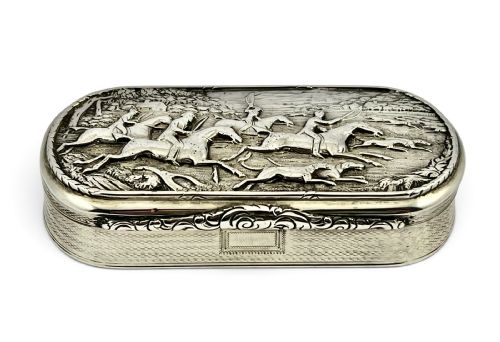
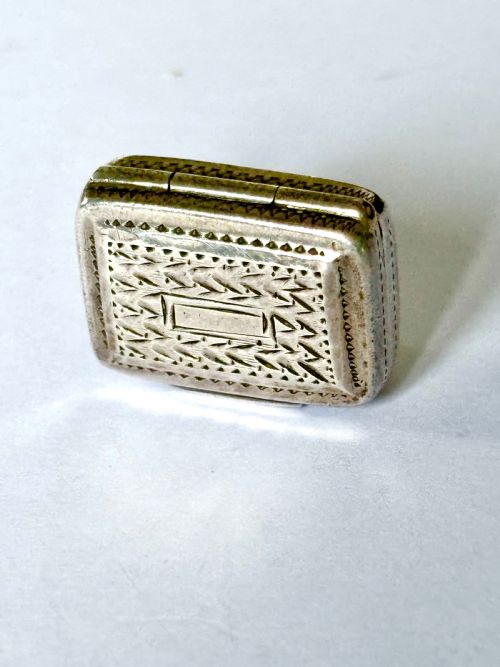
Silversmiths shaped sterling silver and silver gilt into hinged containers decorated with chased or engine-turned patterns in London and Birmingham workshops.
George IV Box Retail Price Guide 2026
Typical asking prices for george iv box among the pieces listed under this phrase on Sellingantiques today, from the lower quarter to the upper quarter. They describe what is for sale here now, not the wider market.
Miniature tortoiseshell tea caddies allow collectors to admire full-scale cabinet-making miniaturised down to pocket dimensions.
Markers of superior craftsmanship
Quality rests upon the selection of timber veneers and the precision of the marquetry inlay, where top-tier examples display continuous grain and perfectly fitted internal lids.
In metalwork, the crispness of the hallmarks, the weight of the precious metal, and the smooth action of the spring-loaded hinges separate standard items from exceptional ones.
John Bettridge·Charles Rawlings
The George IV Box Glossary
- Tea caddy
- A small box with a secure lid originally designed to store loose tea leaves. These containers often featured internal divisions and lockable lids.
- Cellarette
- A large freestanding box or cabinet used to hold wine bottles near the dining table. They frequently took a sarcophagus form during this period.
- Vinaigrette
- A small hinged silver box containing a perforated internal grille. It held a sponge soaked in aromatic vinegar.
- Marquetry
- Decorative veneer work formed by fitting together small pieces of wood or other materials. It creates pictorial or geometric patterns across the surface.
George IV Box: Frequently Asked Questions
What were tea caddies used for?
Tea was an expensive commodity during the Georgian era, requiring secure storage to protect it from dampness and theft.
Containers often featured two or three internal compartments with fitted lids to separate different tea varieties.
How do I identify a George IV box?
Look for hallmarks on silver pieces indicating London or Birmingham assay offices between eighteen-twenty and eighteen-thirty.
Timber items display Regency architectural proportions, sarcophagus silhouettes, and specific exotic veneers like gonçalo alves.
Can I use an antique box daily?
Most wooden containers function well for modern storage of jewellery, desk accessories, or keepsakes.
Care should be taken with delicate veneers and original velvet or silk linings which benefit from gentle handling.