





George III Cutlery
George iii cutlery encompasses the silverware, serving pieces and fitted mahogany boxes produced during the Georgian period that elevate any dining table.
George III Cutlery
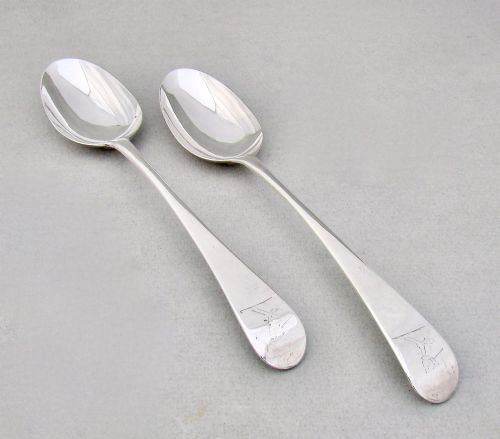
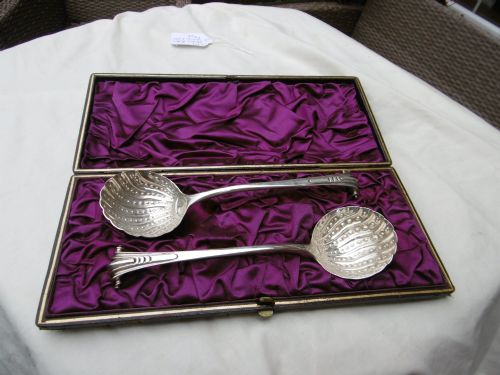
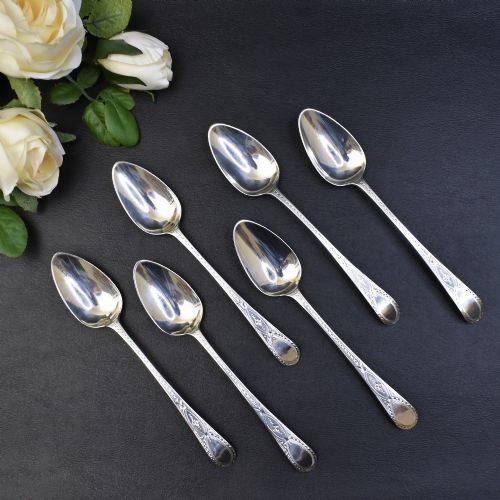
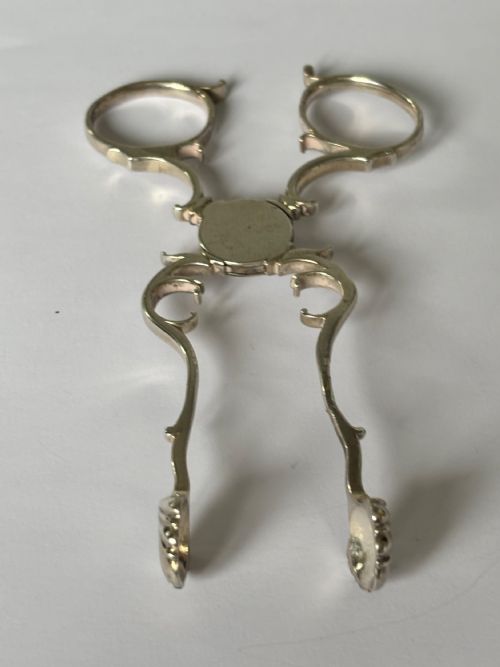
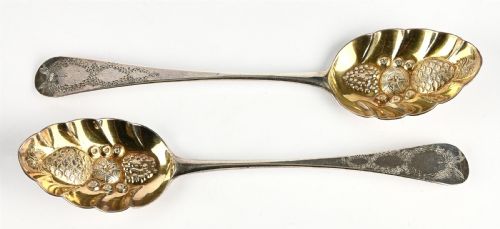
When buyers search for george iii cutlery, they find a distinct range of domestic silver and the specialised wooden containers designed to store it. The selection spans flatware such as teaspoons, tablespoons, basting spoons, sugar nips and salad servers, alongside substantial mahogany knife boxes.
The silverware originates from workshops in London, Exeter and Scottish provincial centres, dating from the late eighteenth century into the early years of the nineteenth century. These items reflect the refined dining rituals of the Georgian era, combining practical utility with formal elegance.
How george iii cutlery was made
Silversmiths shaped sterling silver through hand-hammering and casting, often applying bright-cut engraving or specific regional patterns to spoons and tongs. Many silver items carry assay office marks and maker stamps that record their precise origins.
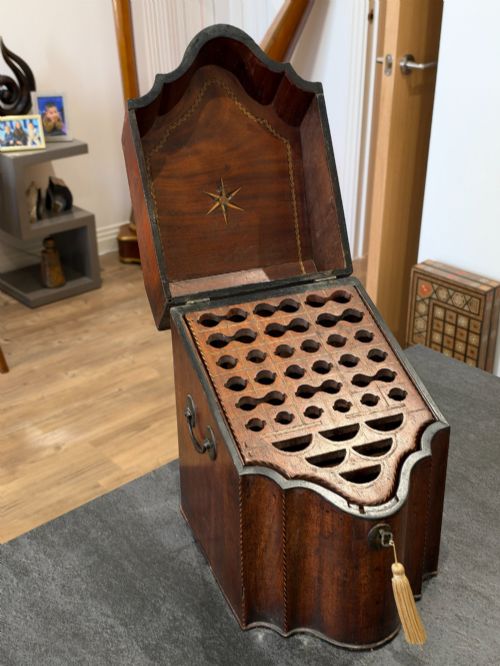
Cabinetmakers constructed the accompanying knife boxes and storage caddies from figured mahogany, incorporating boxwood inlay, brass mounts and curved serpentine or bow fronts. The interiors were fitted to hold upright blades securely, demonstrating advanced woodworking skills.
George III Cutlery Retail Price Guide 2026
Typical asking prices for george iii cutlery among the pieces listed under this phrase on Sellingantiques today, from the lower quarter to the upper quarter. They describe what is for sale here now, not the wider market.
Listings feature sterling silver flatware and mahogany storage boxes originating from the eighteenth century and the early nineteenth century.
What varies in quality in george iii cutlery
Quality rests upon the crispness of the silver engraving and the depth of the maker marks, alongside the preservation of the original wooden surfaces. Superior mahogany knife boxes display rich natural grain figures, intact internal fittings and well-cast brass hardware.
Makers known for exceptional output, such as the Bateman family or regional silversmiths, often command greater attention from collectors. The survival of matched sets and complete storage boxes rather than isolated components determines the desirability of the grouping.
peter & Anne Bateman·Thomas Tookey·P A W Bateman·Alexander Henderson
The George III Cutlery Glossary
- Bright-cut
- An engraving technique using faceted V-shaped cuts to create shimmering geometric patterns on silver surfaces.
- Basting spoon
- A large spoon used in food preparation or at the table for distributing juices over meat during meals.
- Marrow scoop
- A narrow, double-ended silver utensil designed for extracting marrow from bones during formal dining.
- Serpentine front
- A furniture profile featuring a gently undulating curved shape that bulges outward in the middle and recesses at the sides.
- Provincial silver
- Items created by silversmiths working outside London, bearing distinct local assay marks from towns such as Inverness or Exeter.
George III Cutlery: Frequently Asked Questions
How do I clean george iii silver safely?
Sterling silver requires gentle washing with warm water and mild soap, followed by drying with a soft cloth to protect the historic metal.
Avoid abrasive polishes that can wear away crisp bright-cut engraving and soften the stamped maker marks over time.
Were knife boxes kept on the dining table?
Mahogany knife boxes stood on sideboards or serving tables during meals to display the household silverware and keep blades close at hand.
After dining, servants locked the fitted wooden lids to secure the valuable steel knives inside the containers.
How do I identify a provincial Scottish spoon?
Scottish provincial spoons carry distinct maker stamps and town marks applied outside the main assay offices of Edinburgh or Glasgow.
Regional silversmiths working in locations like Inverness stamped their initials alongside local punch marks rather than standard leopard heads.
What is the difference between sugar nips and tongs?
Sugar nips operate like small scissors with spoon-like bowl ends designed to grasp solid sugar cones during tea service.
Tongs are spring-action metal arms that pinch together, replacing the scissor action in later Georgian and Victorian designs.