


Geometric Table Lamp
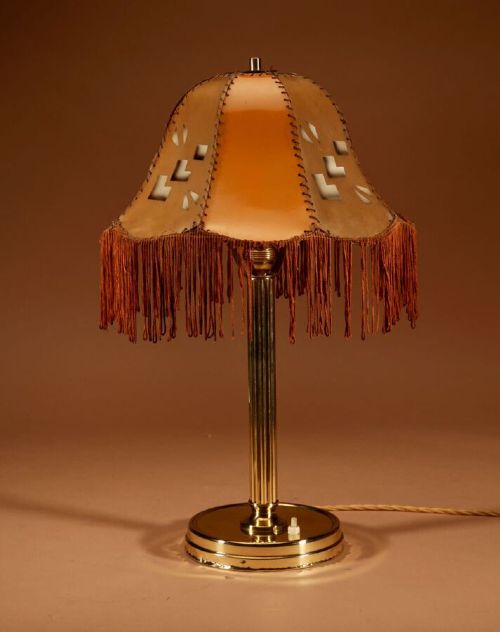
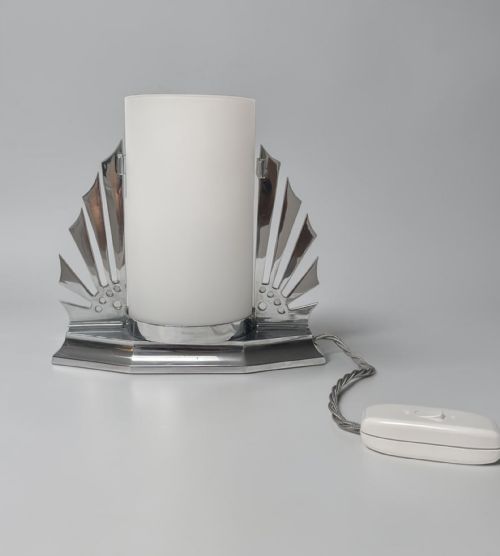
A geometric table lamp brings sharp lines and industrial materials into a room, spanning periods from Victorian brass to Art Deco chrome.
Geometric Table Lamp
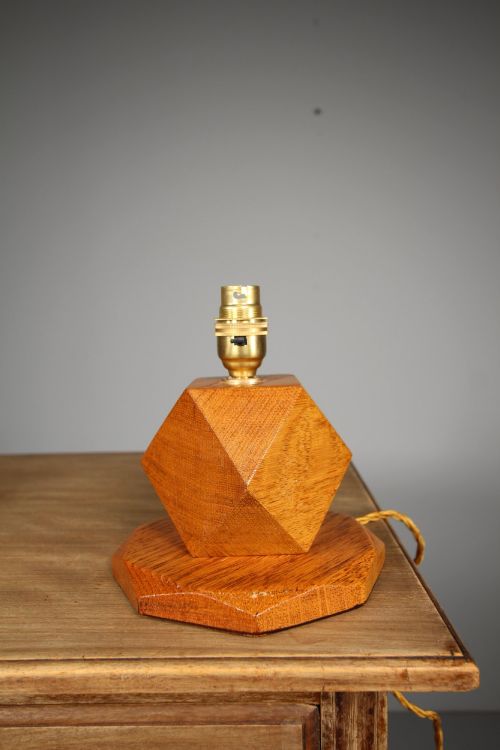
A geometric table lamp is a lighting fixture defined by structural forms, straight lines, and angular profiles. Buyers seeking this phrase encounter lighting from the nineteenth century through to the middle of the twentieth century.
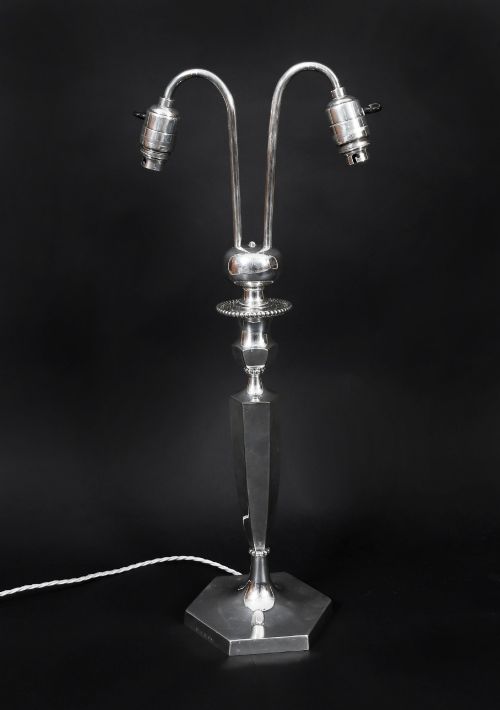
The selection on this page leans heavily toward the Art Deco period, alongside earlier Victorian and Secessionist examples. Forms range from simple glass and metal desk lamps to elaborate figural designs and multi-material creations.
How they were made
Manufacturers utilised metals such as brass, chrome, and nickel to construct the rigid frames and bases of these lamps. Glass components, including peach glass and moulded shades, provide the translucent elements that diffuse the light.
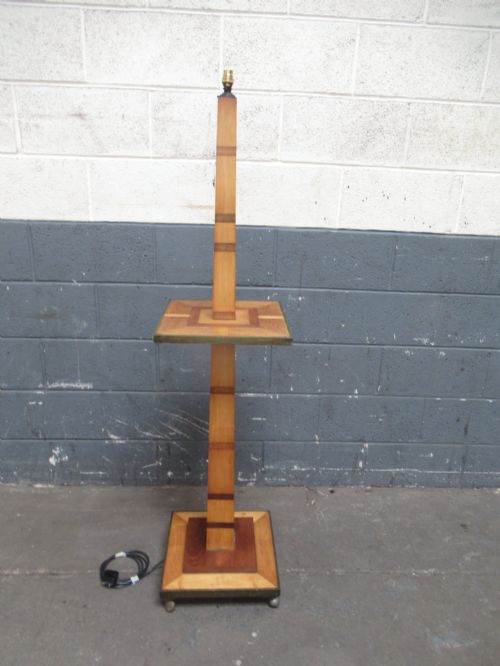
Early twentieth-century pieces incorporate modern plastics like Bakelite and celluloid alongside traditional timbers such as oak and walnut. Makers combined these substances to achieve crisp silhouettes and contrasting textures.
Geometric Table Lamp Retail Price Guide 2026
Typical asking prices for geometric table lamp among the pieces listed under this phrase on Sellingantiques today, from the lower quarter to the upper quarter. They describe what is for sale here now, not the wider market.
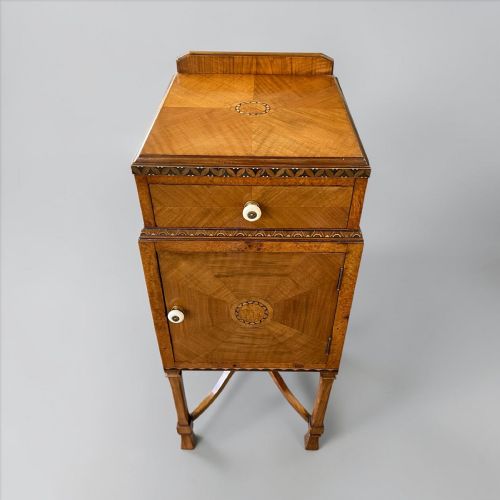
Materials range from oak and walnut to glass, celluloid, and satinwood.
What varies in quality
Quality rests in the precision of the metalwork, the weight of the base, and the integrity of the glass elements. Superior examples display clean casting lines, original patination, and secure structural joints.
The sophistication of the design distinguishes standard production lighting from iconic studio pieces. Materials like solid brass and figured walnut elevate the status of an object above simpler timber or plated alternatives.
Eileen Grey·Karl Palda·Muller Bros·Anton Seuffer·Gillows
The Geometric Table Lamp Glossary
- Art Deco
- A design style emerging in the early twentieth century characterised by sleek lines, geometric shapes, and modern industrial materials. It dominates the appearance of many lamps from the interwar period.
- Bakelite
- An early form of synthetic plastic utilised for electrical components and lamp bases during the twentieth century. Its durability and smooth finish made it popular for desk accessories.
- Secessionist
- An artistic movement originating in central Europe that rejected historicism in favour of geometric abstraction and clean forms. Pieces from this tradition display simplified, architectural profiles.
- Patina
- The surface sheen and coloration developed through age, handling, and oxidation on metal or wood. Collectors value an undisturbed surface that records the history of the object.
- Marquetry
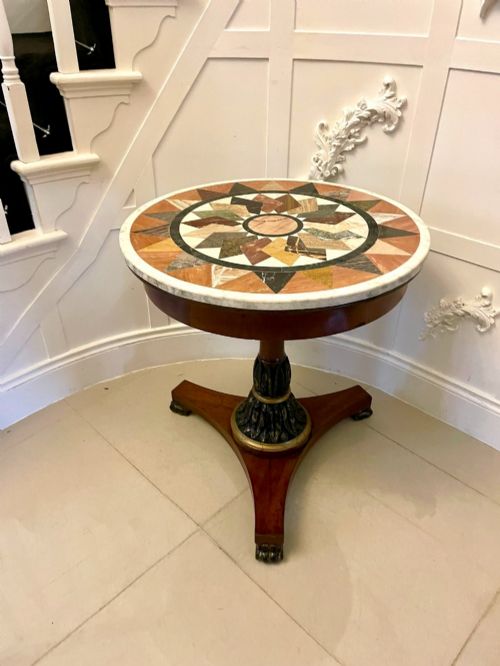
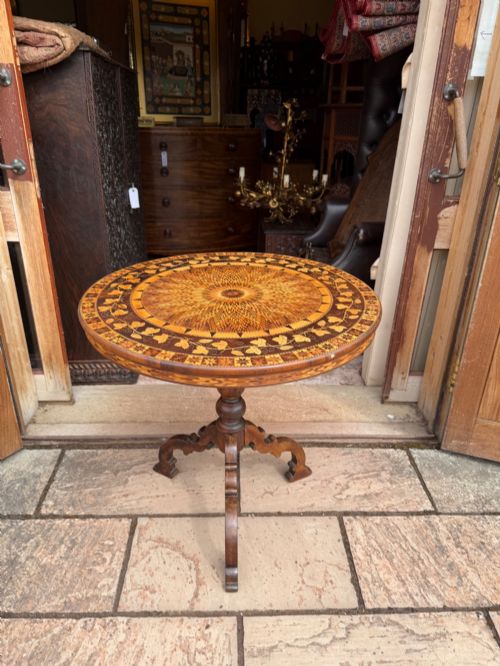
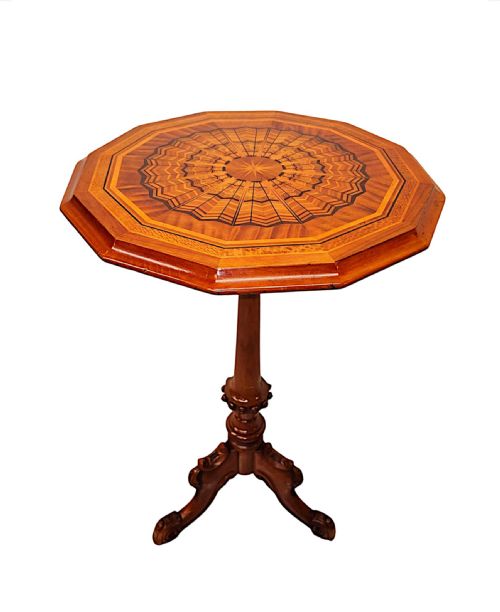
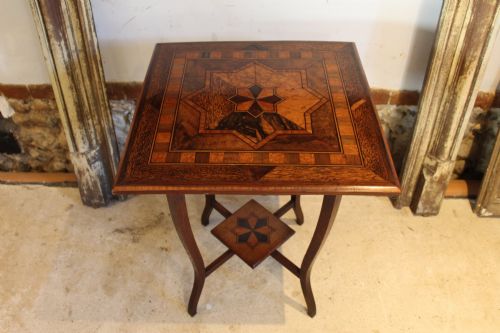
- The art of applying thin veneers of wood in geometric or pictorial patterns onto a solid substrate. It appears on decorative tables associated with lamp displays.
Geometric Table Lamp: Frequently Asked Questions
What periods do these lamps cover?
The pieces span from the nineteenth century through the Arts and Crafts era and deep into the Art Deco twentieth century.
Most examples cluster around the interwar decades, reflecting the demand for industrial and modernist design in domestic lighting.
How do I identify Art Deco lighting?
Art Deco lighting relies on strict symmetry, stepped profiles, and stark geometric configurations.
Materials like chrome, Bakelite, and moulded glass appear frequently, supplanting the ornate floral motifs of earlier Victorian items.
Were these lamps used on desks?
Many of these fixtures served as functional desk lamps, providing directed illumination for reading and writing.
Compact forms allowed them to sit easily on writing surfaces without taking up excessive space.
What metals are common in these pieces?
Brass, chrome, and nickel form the structural foundation for the majority of these metal lamps.
Foundries used these substances to create both polished reflective surfaces and patinated finishes suited to modernist interiors.