




Geometric Shoulder Ring
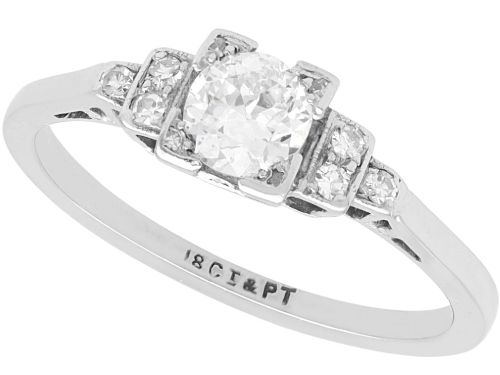
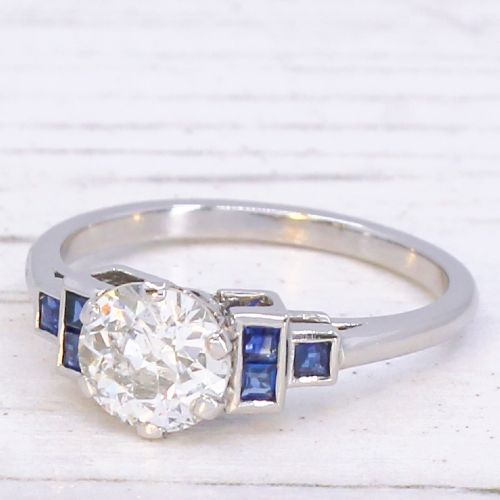
A geometric shoulder ring brings sharp lines and brilliant stones together, offering the quintessential profile of early twentieth-century design.
Geometric Shoulder Ring
A geometric shoulder ring places architectural detail along the band, catching the eye from every angle. These pieces emerge primarily from the Edwardian era and the Art Deco period, spanning the nineteen tens, twenties, and thirties with occasional mid-century examples.
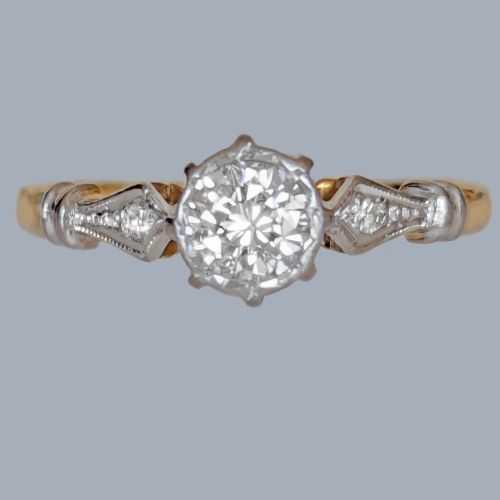
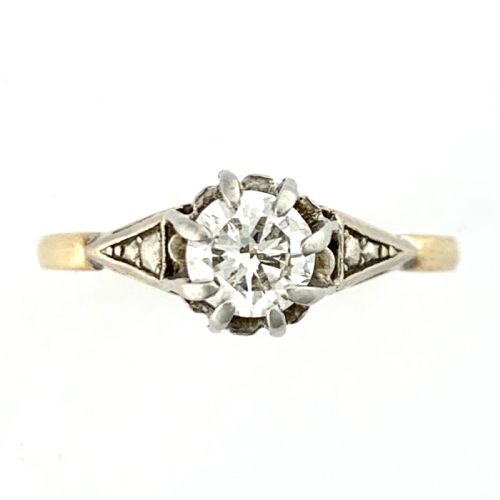
The selections here showcase diamond solitaire and multi-stone configurations set within durable white metals. Makers favoured clean angles and structured shoulders to frame central gems like diamonds, sapphires, opals, and pearls.
How they were made
Goldsmiths utilised platinum and eighteen-carat white gold to build secure, slender settings that maximised light entry for old cut diamonds. These strong metals allowed artisans to execute fine millegrain edges and precise geometric motifs without bulk.
Stones such as sapphires, natural pearls, and white opals were hand-set alongside central diamonds to create striking contrast and texture along the band. Every mounting reflects the meticulous hand-working techniques typical of early twentieth-century jewellery workshops.
Listings span the Edwardian era through the nineteen fifties, featuring platinum, eighteen-carat white gold, and eighteen-carat gold.
What varies in quality
Quality rests upon the precision of the geometric shoulder work and the crispness of hand-cut details like millegrain borders. Superior examples maintain intact, sharp lines where the metal meets the stones, showing minimal wear across the structural mounts.
The calibre of the central diamond or coloured gem dictates the upper tier of these rings, alongside harmonious integration of secondary stones such as sapphires and pearls. Balance between the central stone and the decorated shoulders determines the overall visual success.
The Geometric Shoulder Ring Glossary
- Old cut
- A diamond cutting style prevalent before modern brilliant cuts, characterised by a smaller table, higher crown, and open culet. These stones throw a distinctive, softer candlelight gleam.
- Millegrain
- A decorative technique featuring a row of tiny raised metal beads along the edge of a setting. It softens the metal transition and frames the stones with a delicate texture.
- Solitaire
- A ring design featuring a single prominent gemstone as the main focal point. In these selections, the solitary stone is frequently flanked by geometric shoulder details.
- Art Deco
- A design style spanning the nineteen twenties and thirties defined by symmetry, geometric shapes, and streamlined forms. It marks a decisive departure from organic Edwardian curves.
Geometric Shoulder Ring: Frequently Asked Questions
How do I date a geometric shoulder ring?
Dating relies on stylistic markers such as the presence of sharp Art Deco geometry versus softer Edwardian filigree. Metal choices, particularly the shift toward platinum and white gold in the nineteen tens and twenties, also clarify the period.
Examination of the stone cuts provides further confirmation, as old cut diamonds dominate pieces from these decades. Hallmarks and maker stamps, where present, offer definitive chronological clues.
Can I wear a geometric shoulder ring daily?
Platinum and eighteen-carat white gold provide the durability necessary for regular wear when paired with hard stones like diamonds. Careful attention ensures the delicate shoulder details and millegrain edges remain protected from knocks.
Removing the ring during heavy manual tasks preserves the structural integrity of the setting. Regular checks by a jeweller keep the stones secure in their antique mounts.
What stones are typically found in these rings?
Diamonds form the centrepiece of most examples, accompanied by sapphires, white opals, and natural pearls. These accent stones contribute colour and textural variety to the shoulders and settings.
Selection depends on the desired visual contrast against the white gold or platinum band. Each combination reflects the material palette favoured by jewellers during the early twentieth century.
How do I care for antique platinum and gold settings?
Cleaning requires warm water, mild soap, and a soft brush to remove debris from behind the stones. Harsh chemical dips should be avoided, particularly with softer gems like opals and pearls.
Professional ultrasonic cleaning is suitable only for sturdy stones and robust platinum settings. Routine maintenance safeguards the fine metalwork characteristic of the period.