



Geometric Glass Pendant
A geometric glass pendant is a hanging light or piece of jewellery defined by clean architectural lines, and collectors seek them for their striking twentieth-century symmetry.
Geometric Glass Pendant
When you search for a geometric glass pendant, you encounter items shaped by early twentieth-century design movements, primarily from the nineteen-twenties and nineteen-thirties. These pieces encompass both interior lighting, such as ceiling lamps and hall lanterns, and personal adornments including necklaces and earrings.
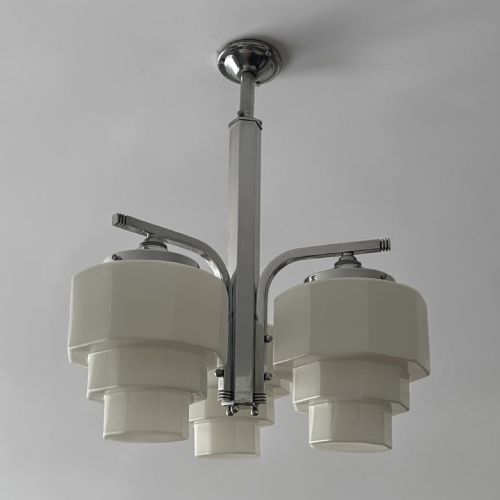
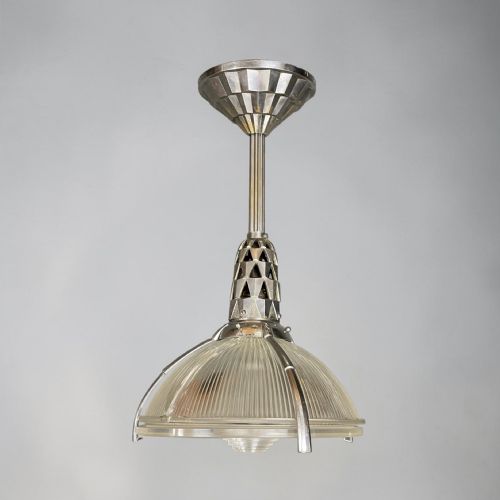
The most common lighting examples on this page take the form of Art Deco pendant lights and hanging star lanterns. They utilise structured metallic frames paired with glass elements to create sharp, angular silhouettes overhead.
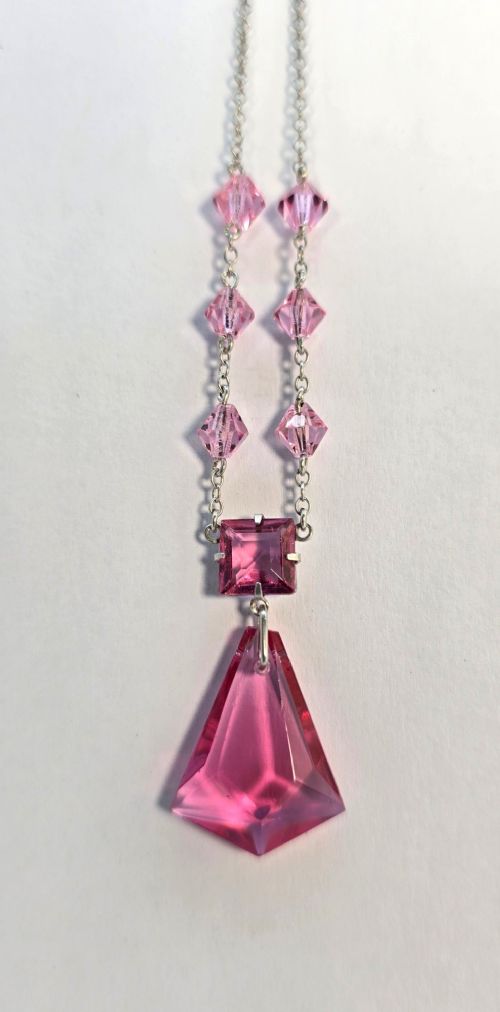
Alongside hanging lights, the selection includes personal ornaments like crystal necklaces and modernist silver-plated earrings. These smaller items translate the same angular vocabulary into wearable pieces.
How they were made
Maker construction relies heavily on combinations of glass and metal, utilising brass, chrome, copper, bronze, nickel-plated metal, and wrought iron for structural frames. These metallic components support frosted, bevelled, pink hand-cut, or green glass panels secured within the framework.
Lighting fixtures employ specialised lanterns and plafonnier ceiling configurations, while jewellery pieces integrate cut crystals and coloured glass into silver or silver-plated settings. Artisans of the period shaped these materials to emphasise strict geometric symmetry and clean industrial lines.
Geometric Glass Pendant Retail Price Guide 2026
Typical asking prices for geometric glass pendant among the pieces listed under this phrase on Sellingantiques today, from the lower quarter to the upper quarter. They describe what is for sale here now, not the wider market.
Materials utilised across the available inventory include frosted glass, bevelled glass, brass, copper, chrome, and wrought iron.
What varies in quality
The distinction between standard examples and the finest pieces lies in the precision of the metalwork and the clarity of the glass. Superior items exhibit heavier gauge metals, substantial bronze or brass framing, and meticulously bevelled or hand-cut glass panels that catch the light cleanly.
Workmanship in the framing joints and the finish of the nickel or chrome plating also signal better production standards. Pieces bearing attribution to notable designers like Émile-Jacques Ruhlmann demonstrate advanced mastery in balancing proportion and material.
Émile-Jacques Ruhlmann
The Geometric Glass Pendant Glossary
- Plafonnier
- A ceiling light fixture designed to sit flush or very close to the ceiling surface. This French term typically describes shallow bowl-shaped glass shades held by metal mounts.
- Bevelled glass
- Glass panes featuring angled edges cut and polished to a specific angle. This technique creates prismatic light refractions along the perimeter of the panel.
- Moravian star
- A multi-pointed geometric star lantern constructed with numerous glass panes set into a metal frame. They originate from traditional German Moravian craft and gained popularity as hanging lights.
- Opaque glass
- Non-translucent glass that diffuses light softly rather than allowing direct visibility through the pane. It is frequently utilised in twentieth-century ceiling lamps to reduce glare.
- Arts and Crafts
- A design movement emphasising handcraftsmanship and simple structural forms over mass production. Pieces from this tradition prioritize honest materials and utility.
Geometric Glass Pendant: Frequently Asked Questions
How do I hang a heavy geometric glass pendant?
Suspension requires securing the fixture directly into ceiling joists using appropriate hooks and brackets rated for the weight of the metal and glass. Consulting a professional electrician ensures the electrical box safely supports the load.
Heavier items, such as large brass-framed star lanterns, demand robust ceiling fixings to prevent strain on the wiring and ensure secure placement in hallways or living spaces.
Can I use modern LED bulbs in these antique lights?
Modern LED bulbs function well within these vintage fixtures provided the wattage and physical dimensions match the interior space of the glass shade. LEDs emit less heat, which helps preserve historical metal finishes and delicate frosted glass.
Care should be taken to select warm colour temperatures that replicate the soft glow originally produced by early twentieth-century electric lighting.
How do I clean frosted and bevelled glass shades?
Maintenance involves removing the glass components from their metal frames whenever possible and washing them gently with lukewarm water and mild soap. A soft cloth prevents scratching the frosted or bevelled surfaces during cleaning.
Harsh chemical cleaners should be avoided, as they can damage antique chrome plating, brass patinas, or silver-plated metal components adjacent to the glass.
What is the difference between Art Deco and Arts and Crafts lighting?
Art Deco lighting embraces sleek industrial materials like chrome, polished brass, and geometric symmetry designed for modern urban interiors. These fixtures often feature streamlined glass panels and stark modernist profiles.
Arts and Crafts lighting focuses on visible craftsmanship, heavier hand-wrought metals, and traditional construction methods that highlight the inherent qualities of the materials used.