

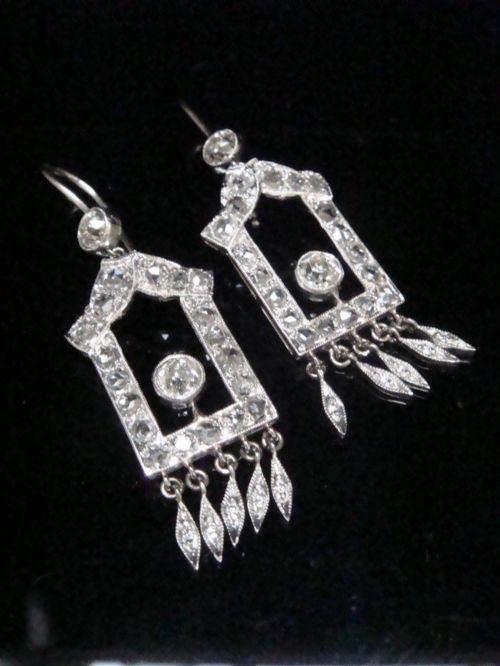


Geometric Chandelier
A geometric chandelier brings clean lines and architectural brilliance into a room, offering the sharp angles and symmetrical forms that define the period.
Geometric Chandelier
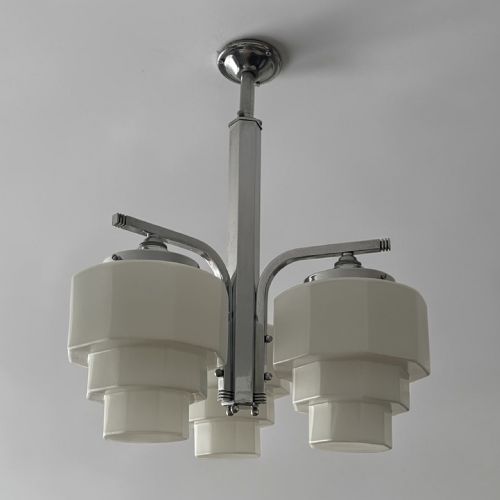
A geometric chandelier brings together clean lines, structured forms, and symmetrical arrangements that define early twentieth-century design. When you search for a geometric chandelier, you are looking at overhead lighting and ceiling fixtures that favor architectural shapes over organic curves.
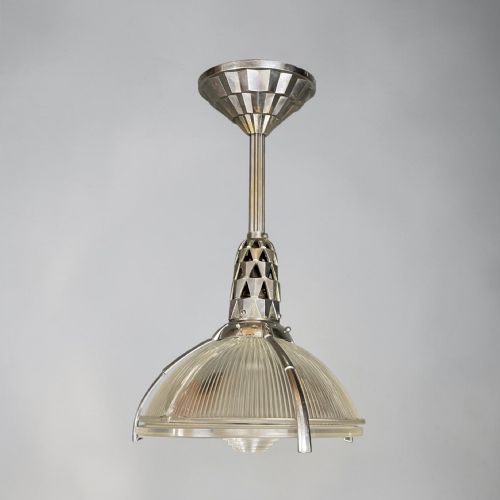
The examples most commonly met on this page date from the Art Deco period and the 1930s, alongside Edwardian designs. These pieces often take the form of ceiling lights, pendant lights, and hanging lamps constructed with metallic frames and glass panels.
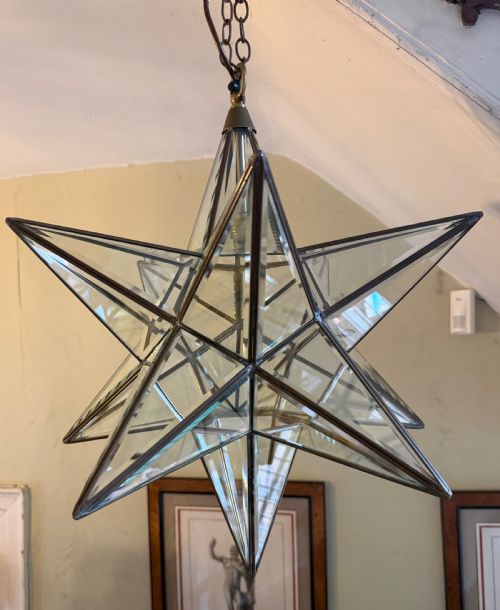
Alongside actual chandeliers, the listings include related ceiling lighting such as star lanterns and pendant lights sharing the same vocabulary of straight lines and angles. Every piece reflects the shift towards industrial modernity and geometric discipline in domestic interiors.
How they were made
Makers constructed these fixtures using robust metals such as chrome, nickel-plated metal, and wrought iron to form the structural framework. These metallic elements provided the necessary strength to support glass components while maintaining a sleek, modern finish.
Glass played a central role, utilising moulded glass and frosted glass to diffuse light through structured, geometric patterns. Craftsmen combined these materials to create hanging lights and ceiling fixtures that balanced industrial durability with refined decorative appeal.
Geometric Chandelier Retail Price Guide 2026
Typical asking prices for geometric chandelier among the pieces listed under this phrase on Sellingantiques today, from the lower quarter to the upper quarter. They describe what is for sale here now, not the wider market.
Listings combine nineteen-twenties and nineteen-thirty pieces in chrome, wrought iron, and frosted glass.
What varies in quality
The distinction between standard production and finer work lies in the precision of the metalwork and the clarity of the glass. Superior pieces display crisp angles, secure joints, and well-finished chrome or iron surfaces that hold their lustre over time.
Design ambition also separates the ordinary from the exceptional, with better examples incorporating sophisticated frosted or moulded glass panels that interact deliberately with the metal frame. The integration of structural elements demonstrates the maker's mastery over the geometric idiom.
Émile-Jacques Ruhlmann
The Geometric Chandelier Glossary
- Art Deco
- A design style characterised by sleek lines, geometric shapes, and a modern aesthetic popular during the nineteen-twenties and nineteen-thirties. This movement rejected traditional ornamentation in favour of machine-age symmetry and abstraction.
- Chrome
- A metallic plating finish applied to iron or steel to provide a bright, corrosion-resistant surface. It became a defining material for twentieth-century industrial and domestic fixtures.
- Moulded glass
- Glass formed by pressing molten material into a metal matrix or mould to create decorative patterns and precise shapes. This technique allowed manufacturers to produce consistent geometric designs for lighting panels.
- Frosted glass
- Glass treated to scatter light, producing a translucent surface that softens illumination while obscuring the internal bulbs. It appears frequently in twentieth-century ceiling lamps to reduce glare.
- Pendant light
- A single light fixture suspended from the ceiling by a cord, chain, or metal rod. These fixtures concentrate illumination directly beneath them rather than spreading it across a wide area.
Geometric Chandelier: Frequently Asked Questions
What periods do these chandeliers come from?
The lighting fixtures and related items span the Edwardian era, the nineteen-twenties, and nineteen-thirty.
These dates place them firmly within the Art Deco movement and early twentieth-century design periods.
What materials were used to make them?
Makers relied heavily on chrome, nickel-plated metal, and wrought iron for the structural frameworks of these lights.
Glass elements typically consist of moulded glass and frosted glass to shape and diffuse the illumination.
How do I style a geometric chandelier?
These fixtures suit spaces that benefit from architectural lines and industrial or modern twentieth-century character.
They pair well with high ceilings and rooms featuring clean, uncluttered interior design schemes.
Are these fixtures suitable for low ceilings?
While traditional chandeliers hang low, many pendant lights and ceiling lamps in this category offer more compact drops.
Checking the overall drop measurement ensures the fixture fits comfortably within your specific room dimensions.