



Gentlemans Weapon Cane
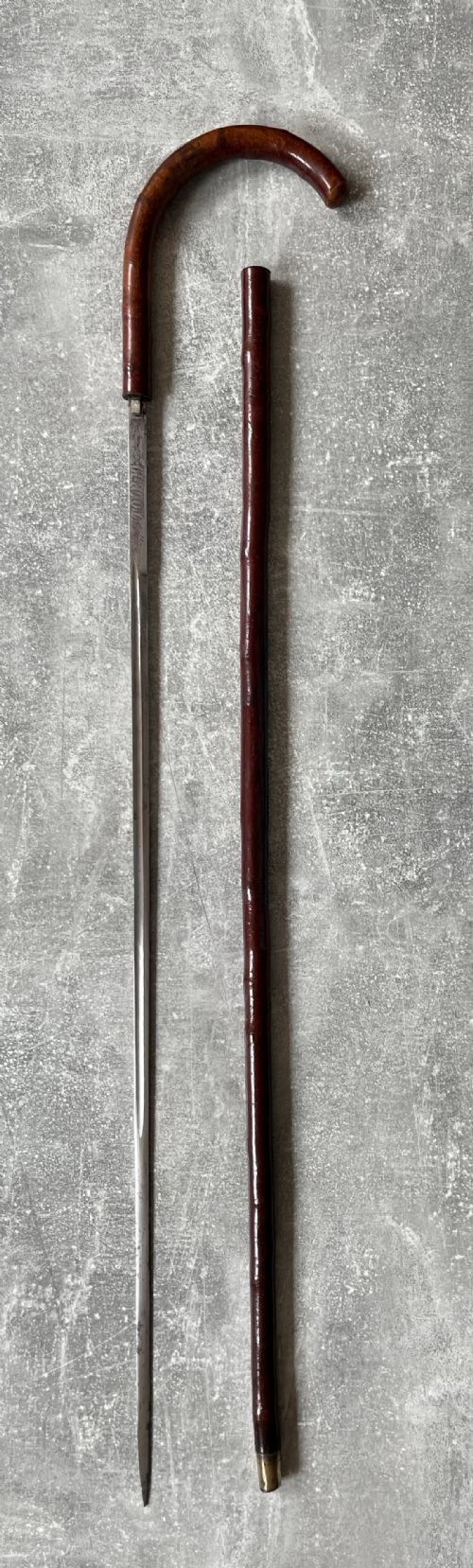
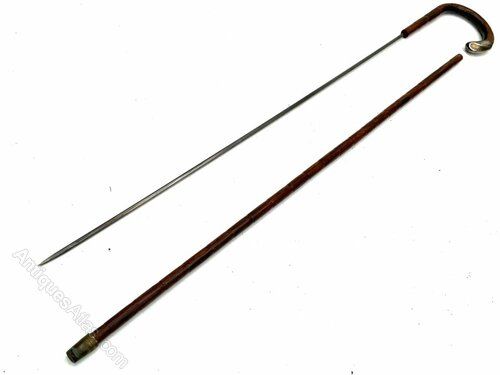
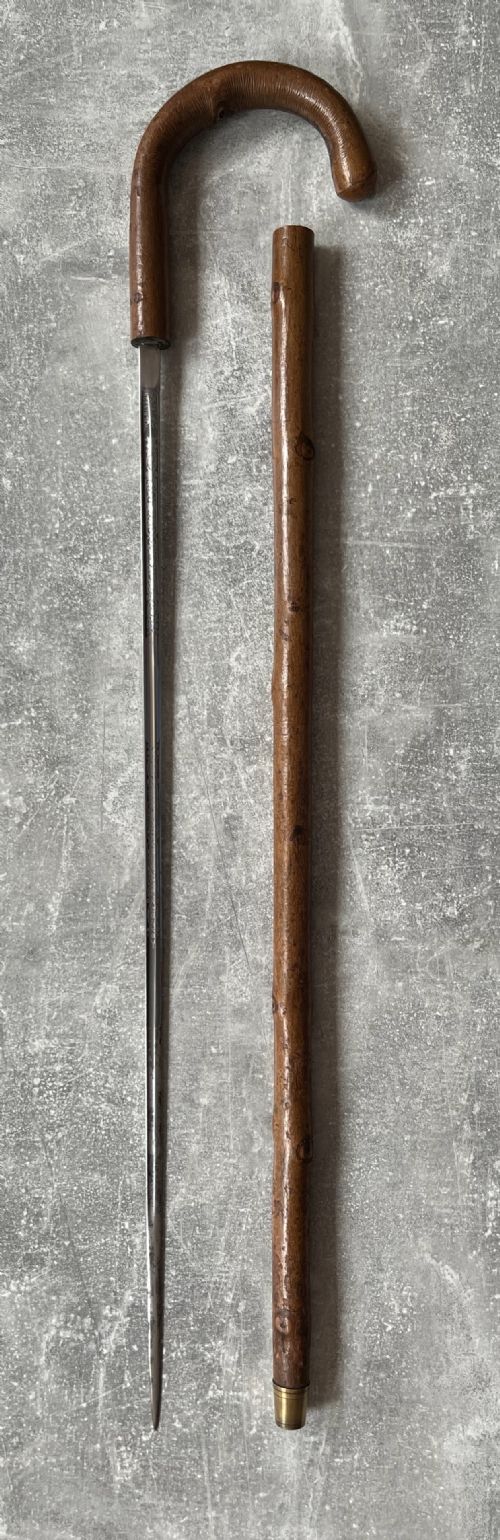
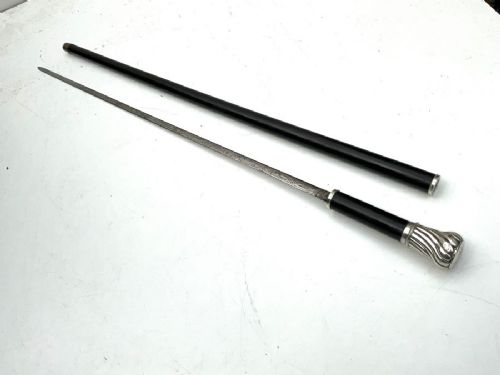
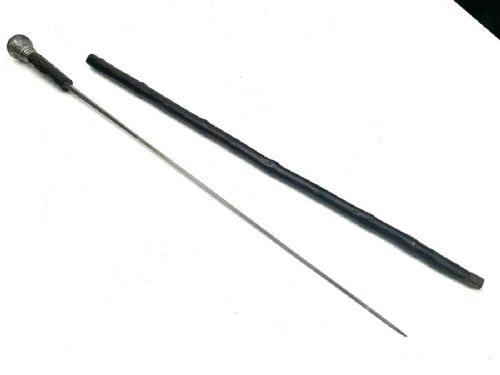
A gentlemans weapon cane combines the daily utility of a walking stick with a concealed steel blade, offering discreet personal defence for the Victorian walker.
Gentlemans Weapon Cane
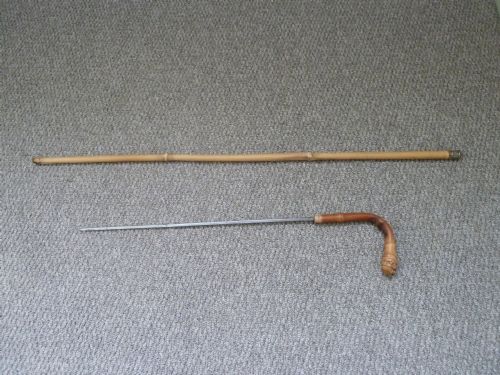
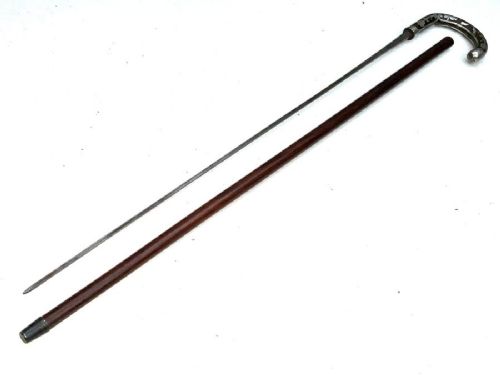
A gentlemans weapon cane appears as a conventional walking stick or sword stick upon first inspection, serving the dual purpose of support and defence. These pieces primarily date from the Victorian era through to the early twentieth century, spanning periods such as 1890, 1900, 1910, and 1920.
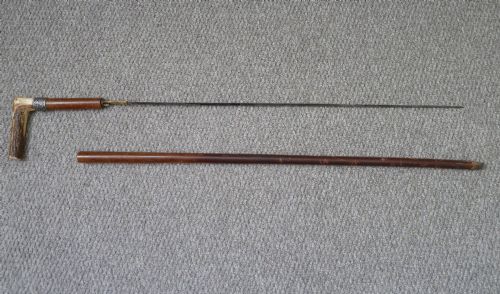
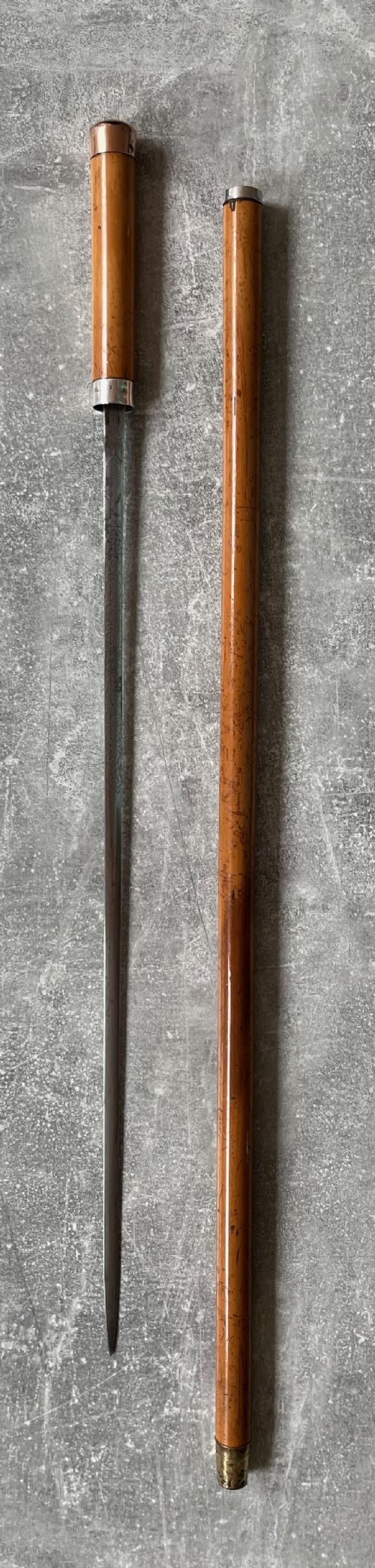
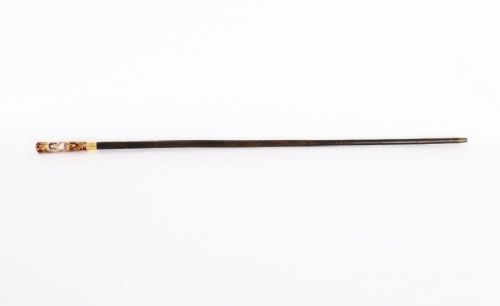
The most common versions on this page are fashioned from malacca cane or various hardwoods like cherrywood, partridge wood, holly wood, chestnut, and rosewood. Handles vary significantly, featuring materials such as horn, silver, brass, antler, porcelain, and root wood formations.
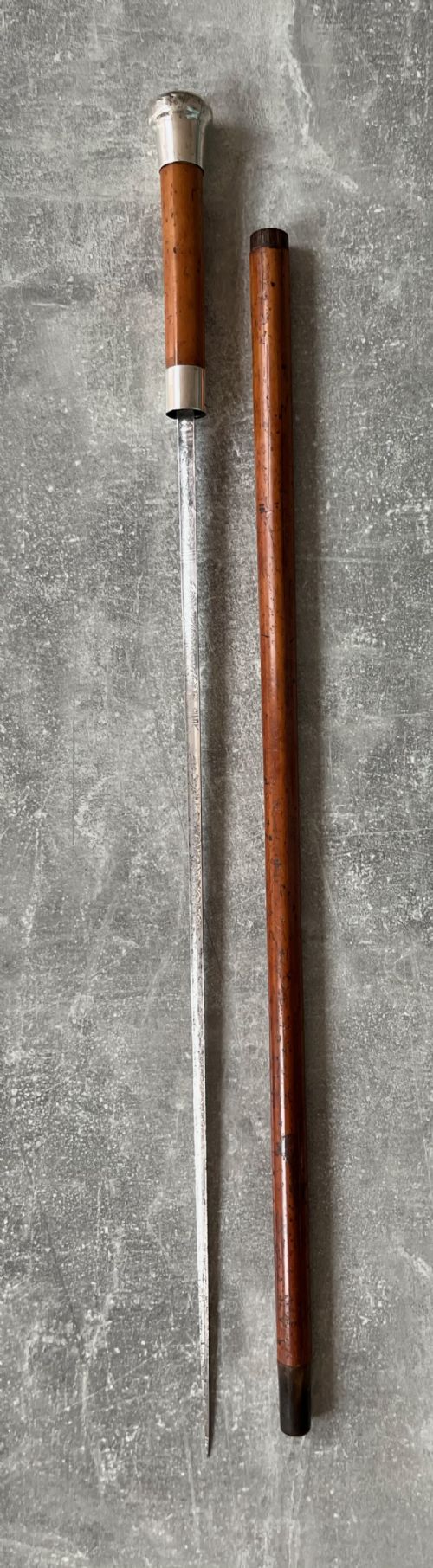
Concealed blades form the defining characteristic of these items, with notable examples housing Wilkinson or Toledo blades released via buttons or simple friction fits. Mounts in silver or gold frequently adorn the collars and pommels of these sophisticated items.
Materials and construction
Craftsmen utilised sturdy shafts of malacca, exotic hardwoods, or leather-covered wood to house the internal steel blades safely. Metals such as brass and silver formed decorative collars, knops, and mounts to reinforce the structure.
Blades were forged from steel, often originating from renowned makers like Wilkinson or Toledo, and fitted securely within the wooden or cane scabbard. Handles carved from horn, antler, or root wood were then attached to complete the walking stick.
Gentlemans Weapon Cane Retail Price Guide 2026
Typical asking prices for gentlemans weapon cane among the pieces listed under this phrase on Sellingantiques today, from the lower quarter to the upper quarter. They describe what is for sale here now, not the wider market.
Listings feature malacca cane, various hardwoods, and metals including steel, brass, and silver across Victorian and Edwardian periods.
Assessing quality and craftsmanship
Quality in a gentlemans weapon cane rests upon the origin and execution of the internal blade, particularly those bearing maker marks from Wilkinson or Toledo. Superior pieces display finely etched steel and precise button release mechanisms that secure the blade firmly inside the shaft.
The choice of handle and exterior materials also distinguishes finer examples, with carved horn, silver mounts, and Sevres porcelain indicating higher status. Sound construction of the wooden or malacca haft ensures the cane remains straight and conceals the blade seamlessly.
Wilkinson·Toledo
The Gentlemans Weapon Cane Glossary
- Sword stick
- A walking cane containing a concealed steel blade within its shaft. It functions both as a traditional walking aid and a hidden weapon.
- Malacca
- A type of rattan cane featuring distinctive brownish markings and smooth joints, prized for flexibility and strength in walking sticks.
- Knop
- A rounded knob or pommel forming the handle at the top of a cane. It is often cast in silver or brass.
- Wilkinson blade
- A steel blade produced by the esteemed British sword-making firm, known for high quality and durability.
- Toledo blade
- A steel blade forged in the Spanish city of Toledo, historically renowned for exceptional metalworking traditions.
Gentlemans Weapon Cane: Frequently Asked Questions
What materials were used for the shafts?
Shafts are predominantly constructed from malacca cane or dense hardwoods such as rosewood, chestnut, holly, and partridge wood. Certain examples feature leather coverings or snakeskin wrapped around the wooden core.
Handles display an even wider array of materials, including horn, antler, root wood, silver, and porcelain. These natural materials contribute to the distinct weight and balance of each individual stick.
How do I date these walking sticks?
Dating relies heavily on stylistic markers, hallmarks on silver mounts, and known periods such as the Victorian era or Edwardian years. Hallmarks on silver collars provide precise London assay dates where applicable.
Construction techniques and the presence of specific blade signatures also help narrow the manufacturing window. Comparing the materials and handle styles against documented pieces establishes the approximate decade of origin.
Are these pieces suitable for daily use?
While originally designed for walking support and personal protection, antique weapon canes require careful handling today. The internal wooden scabbard and locking mechanisms deserve gentle treatment to preserve their structural integrity.
Displaying the cane safely or using it for light strolls is common among collectors who appreciate the historical utility. Regular maintenance of the wood and metal parts helps keep the piece in stable condition.