




Gemstone Trilogy Ring
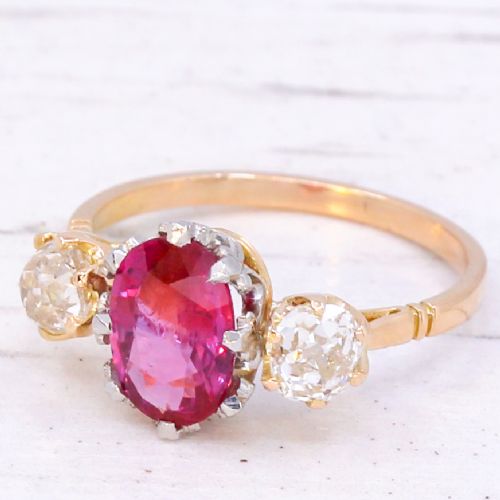
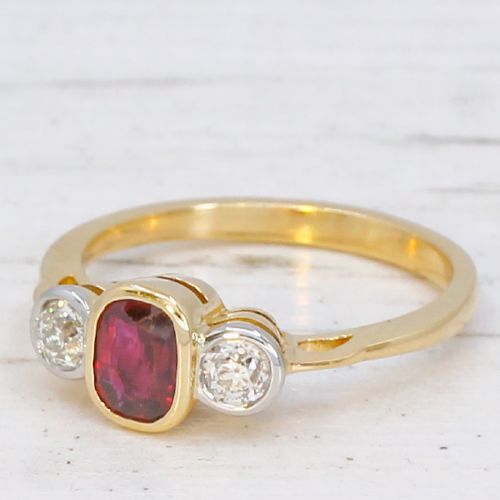
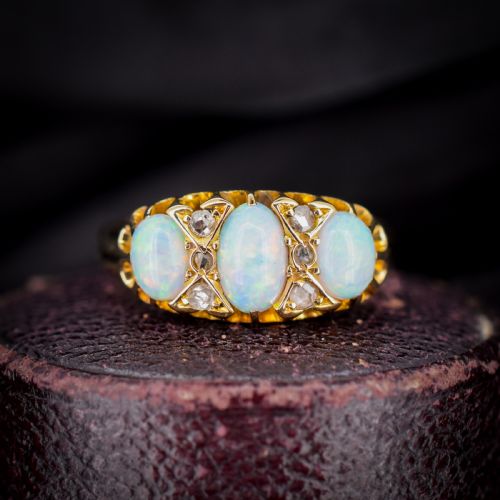
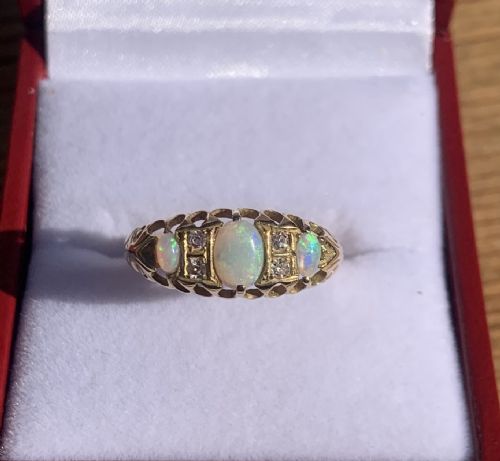
A gemstone trilogy ring brings together three stones on a precious metal band, offering a meaningful design defined by longevity.
Gemstone Trilogy Ring
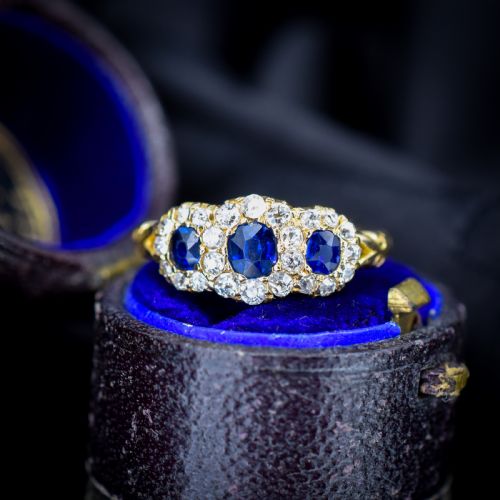
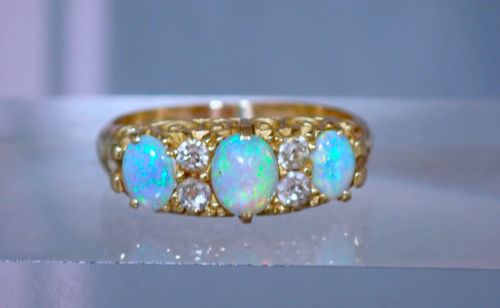
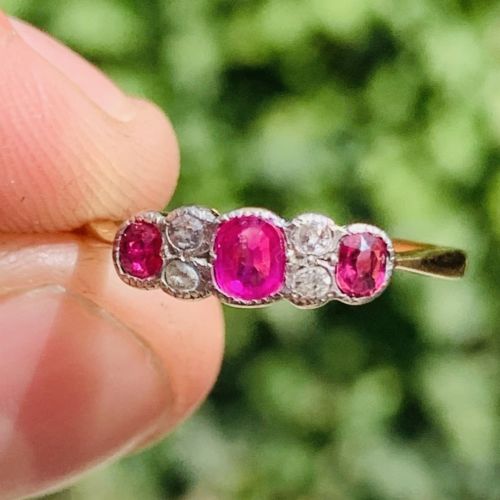
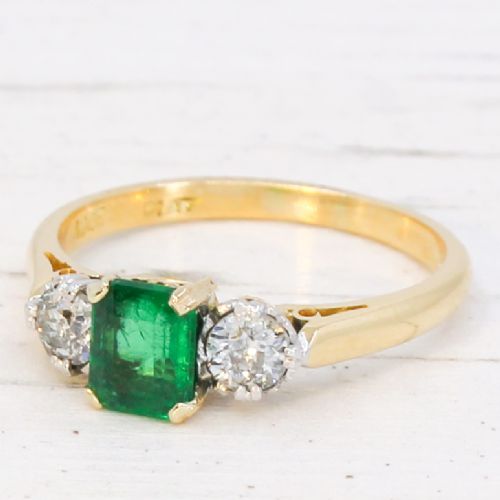
The selections span the late nineteenth century through the mid-twentieth century, capturing shifts from ornate yellow gold settings to sleek platinum mounts. Most examples rely on durable eighteen-carat gold or platinum to securely house the three principal stones.
How they were made
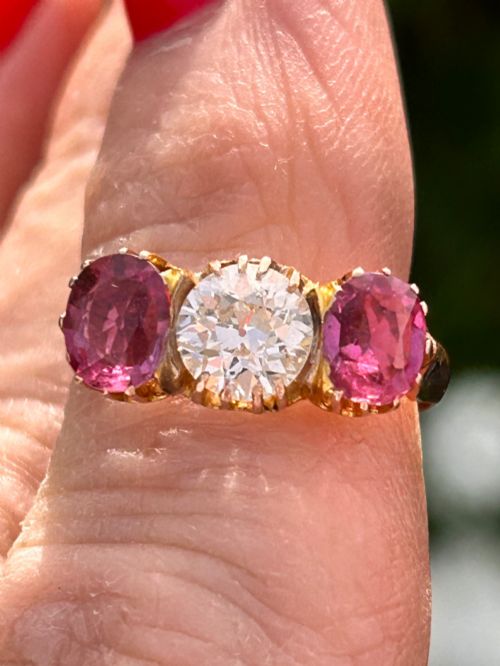
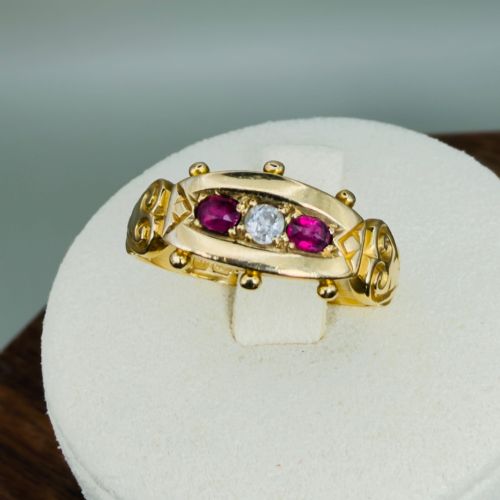
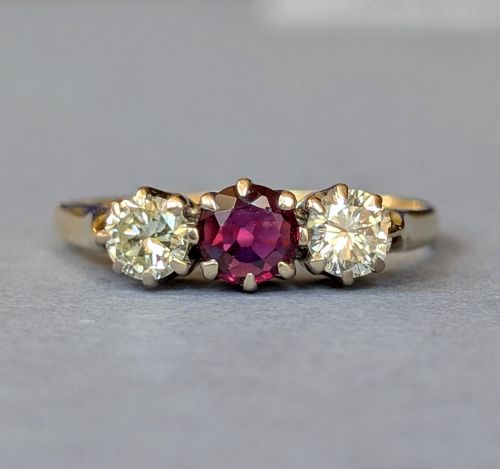
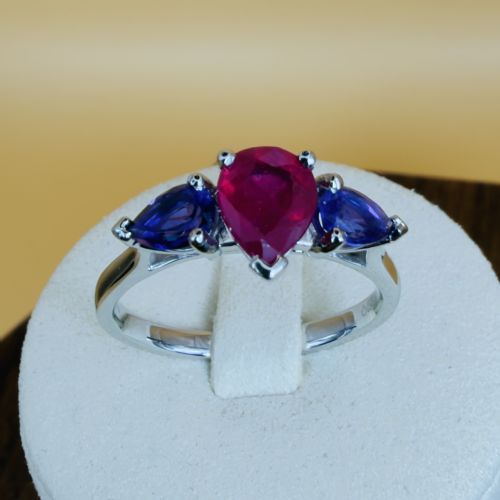
Goldsmiths utilised eighteen-carat yellow gold and platinum to fabricate the bands and settings, often combining both metals to display white diamonds against a yellow gold shank. Stones were hand-cut into old cuts, pear cuts, or emerald cuts before being secured in claw, starburst, or cluster formations.
Makers constructed these mountings by hand, integrating pierced galleries or engraved shoulders that reflect the distinct stylistic periods from the Victorian era to the mid-twentieth century.
Listings feature periods spanning from the Victorian era through the mid-twentieth century, utilising platinum and eighteen-carat gold.
What varies in quality
The grade of the central gemstone dictates the distinction between standard and superior pieces, particularly regarding natural origin treatments, weight, and clarity in rubies, emeralds, and sapphires. Better examples combine substantial diamond weights with well-matched side stones that maintain proportional harmony across the finger.
Construction integrity separates masterwork output from ordinary production, visible in the weight of the metal and the precision of the setting work that holds the stones securely without excessive bulk.
The Gemstone Trilogy Ring Glossary
- Trilogy ring
- A ring set with three stones, traditionally symbolising the past, present, and future. These pieces appear frequently across Victorian and Edwardian periods.
- Old cut
- A hand-faceted diamond shape common in antique jewellery before modern machine cutting standardised proportions. These stones display smaller tables and high crowns.
- Platinum
- A dense, white precious metal utilised in Edwardian and Art Deco mountings for its strength and ability to hold delicate claw settings securely.
- Carat
- The unit of weight used for gemstones and diamonds. Heavier stones typically command higher attention among collectors.
- Gypsy ring
- A style where stones are flush-set directly into the heavy metal band rather than held in raised claws. This secure setting method gained popularity during the nineteenth century.
Gemstone Trilogy Ring: Frequently Asked Questions
What does a gemstone trilogy ring symbolise?
The three stones traditionally represent the past, present, and future of a relationship. This enduring symbolism made them popular choices for both engagement and anniversary pieces.
The layout typically places a larger central gem between two smaller matching stones, creating a balanced silhouette across the hand.
How do I care for antique trilogy rings?
Gentle cleaning with warm soapy water and a soft brush maintains the metal and stones. Avoid harsh chemical dips, especially when softer gems like opals or pearls are present.
Regular checks by a jeweller ensure the claws holding the three stones remain secure and undamaged through daily wear.
Are these rings suitable for daily wear?
Robust materials like eighteen-carat gold and platinum provide the durability needed for regular use. Harder gemstones such as rubies, sapphires, and diamonds withstand everyday activities remarkably well.
Pieces containing softer materials like opal require extra care to prevent impact damage or scratching during routine tasks.
How can I tell the period of a ring?
Design characteristics, metal choices, and gemstone cuts offer strong clues to a piece's era. Edwardian pieces often feature platinum and delicate filigree, while Victorian examples lean towards yellow gold.
Hallmarks stamped inside the band provide official assay office symbols and date letters that pinpoint the exact year of manufacture.