


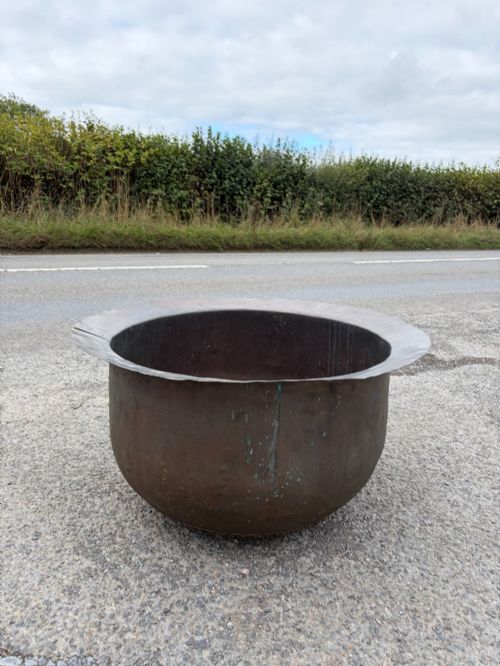


Garden Copper Pot
These garden copper pot pieces bring industrial warmth and generous scale to outdoor spaces.
Garden Copper Pot
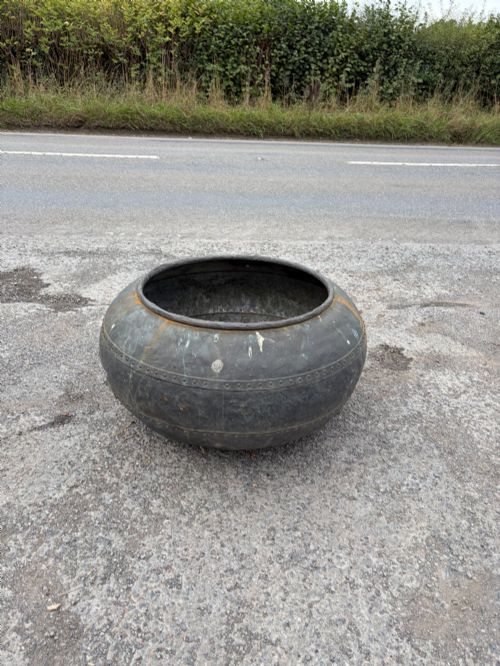
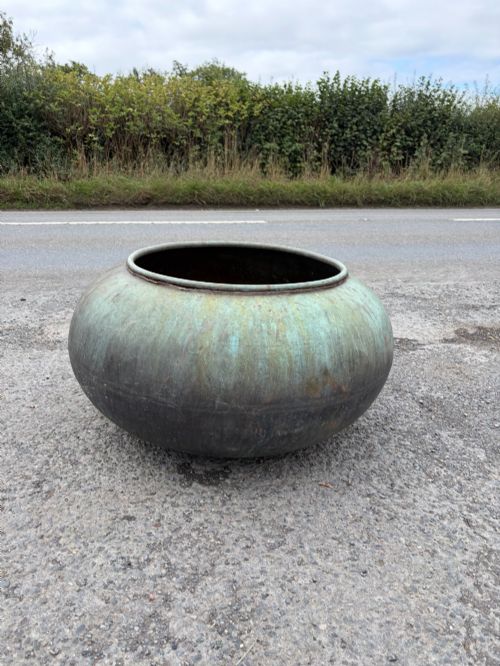
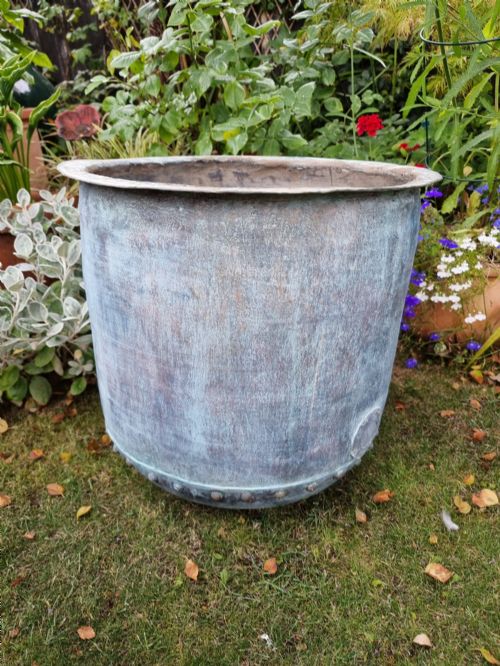
A garden copper pot brings utilitarian warmth to outdoor and indoor spaces, taking the form of large planters, log bins, boilers, and cauldrons. When searching for a garden copper pot, buyers encounter substantial vessels designed originally for heavy domestic or agricultural labour rather than mere decoration.
Most examples originate from the nineteenth century, including specific dates such as 1850, 1860, and 1890, alongside Victorian pieces. These items span styles like Victorian Utility, rustic farmhouse, and French country, functioning equally well as garden planters or indoor log baskets.
Materials and construction methods
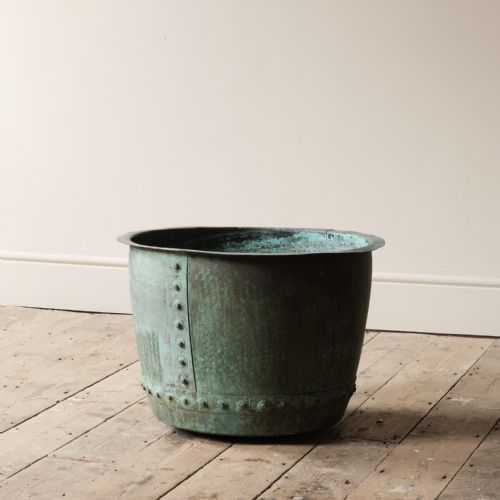
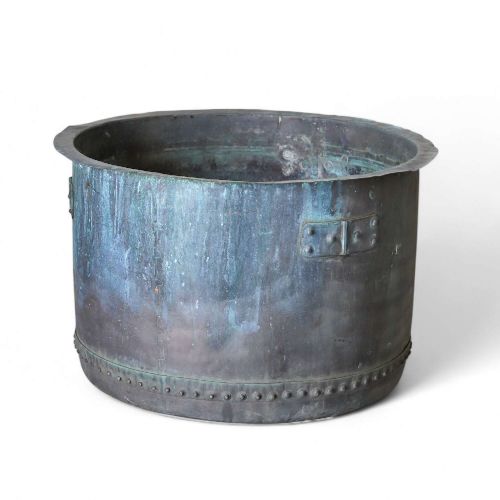
Makers constructed these vessels primarily from heavy sheet copper, frequently joining the seams with hand-riveted construction that ensures lasting structural integrity. Iron and wrought iron frequently appear in sturdy swing handles, while brass components and cast iron details reinforce the heavier boilers and planters.
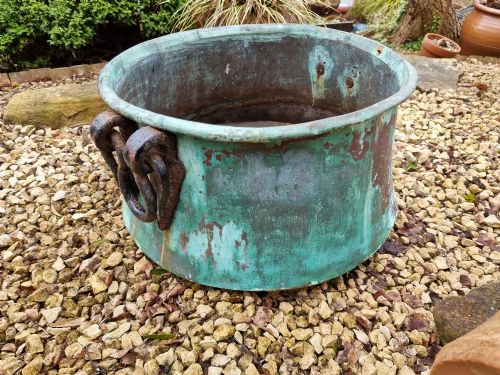
Surfaces display natural ageing processes, including rich patinas and verdigris finishes developed through exposure and time. Occasional painted elements or steel additions complete the material palette recorded across these nineteenth-century items.
Garden Copper Pot Retail Price Guide 2026
Typical asking prices for garden copper pot among the pieces listed under this phrase on Sellingantiques today, from the lower quarter to the upper quarter. They describe what is for sale here now, not the wider market.
Materials span copper, wrought iron, brass, cast iron, paint, and steel.
Factors of quality and presence
Quality rests in the heaviness of the metal gauge and the integrity of the hand-riveted seams. Vessels with substantial wrought iron swing handles and well-preserved structural proportions command greater presence in a garden setting.
The character of the surface finish dictates visual appeal, where rich natural patinas and authentic verdigris oxidation distinguish superior examples from plain or overly polished alternatives.
The Garden Copper Pot Glossary
- Verdigris
- A green patina or crust of basic copper carbonate formed on copper through atmospheric weathering. This finish develops naturally over decades outdoors.
- Riveted
- Joined together using metal bolts or pins hammered flat to secure overlapping sheets. Hand-riveted joints are typical of nineteenth-century utilitarian metalwork.
- Cauldron
- A large metal pot used traditionally for boiling or brewing over an open fire. These deep vessels now serve effectively as prominent garden planters.
- Patina
- The surface sheen and colour alteration produced by age, wear, and exposure. A rich patina indicates long-term environmental interaction.
- Swing handle
- A movable bail handle attached on opposing pivots that swings freely. Wrought iron versions provide robust lifting support for heavy pots.
Garden Copper Pot: Frequently Asked Questions
How were garden copper pots used originally?
These robust vessels served demanding functional roles in domestic and agricultural settings, handling boiling water, laundry, or bulk storage before finding new life as planters and log bins.
Their heavy copper construction and iron fittings were engineered for daily utility rather than display, which accounts for their enduring physical strength.
Can I leave a copper pot outside all year?
Copper withstands outdoor elements effectively, developing a protective verdigris finish over time when exposed to rain and varying temperatures.
Ensure adequate drainage if planting directly inside them during freezing winter conditions to prevent potential stress on the metal seams.
How do I identify a nineteenth-century piece?
Nineteenth-century examples display distinct hand-riveted construction methods and heavy metal gauges that differ from lighter modern reproductions.
Look for authentic surface wear, traditional wrought iron swing handles, and period-specific proportions associated with Victorian utility items.