


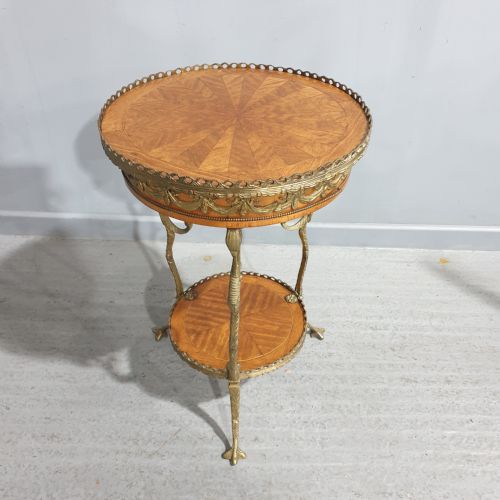


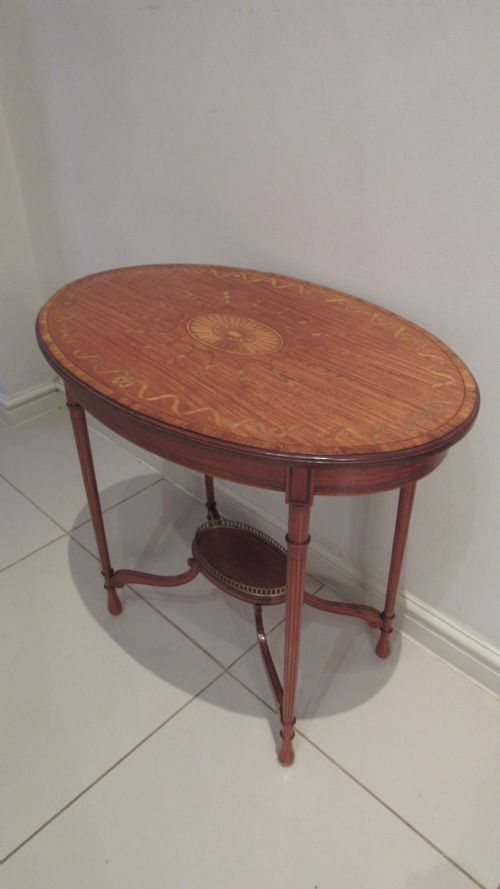
Gallery Tier Lamp Table
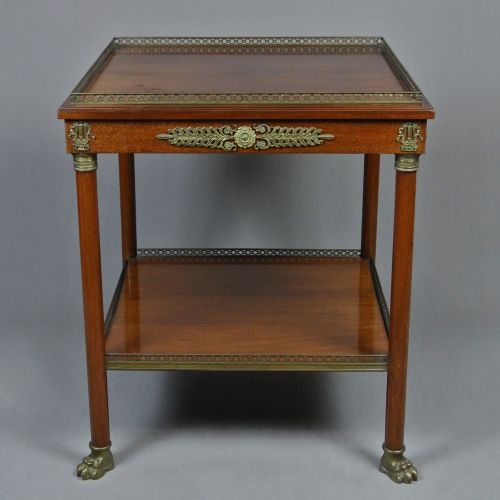
A gallery tier lamp table offers tiered surfaces and raised edges to hold lighting or display decorative items with refined elegance.
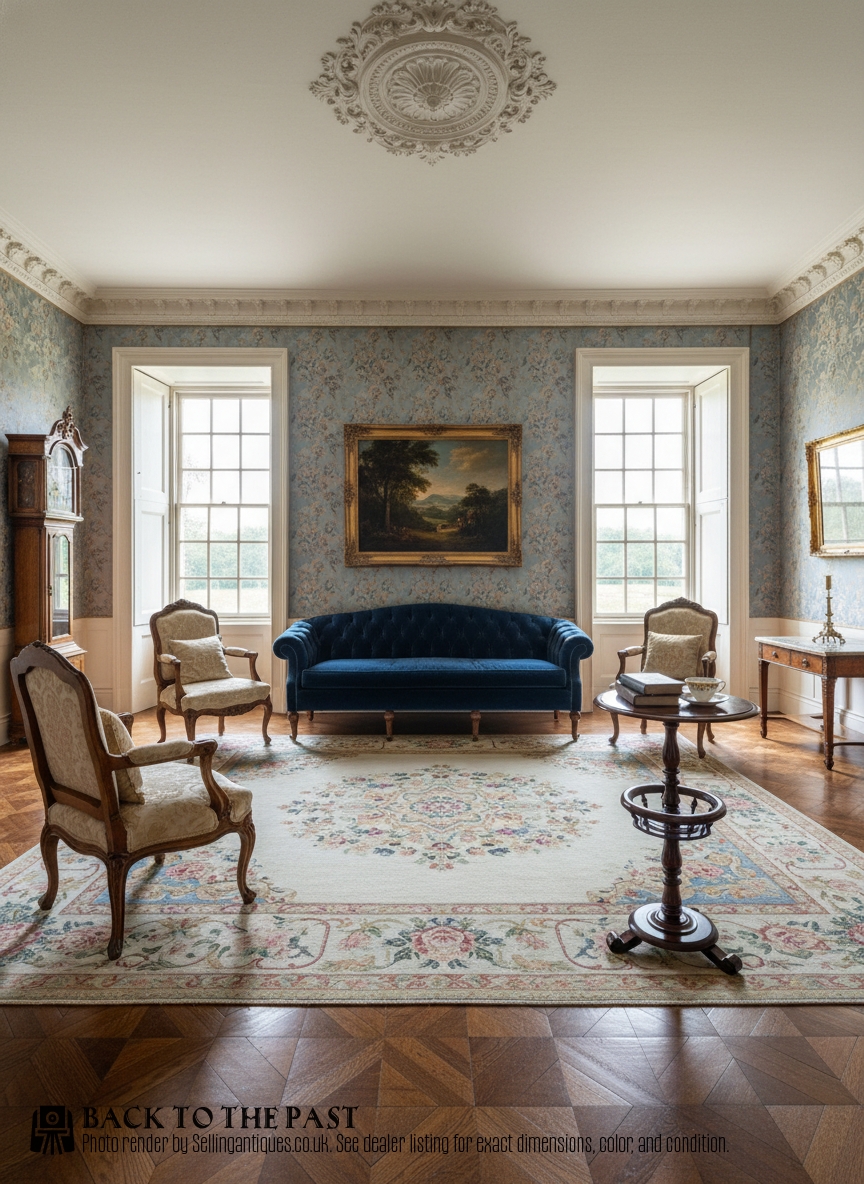
Gallery Tier Lamp Table
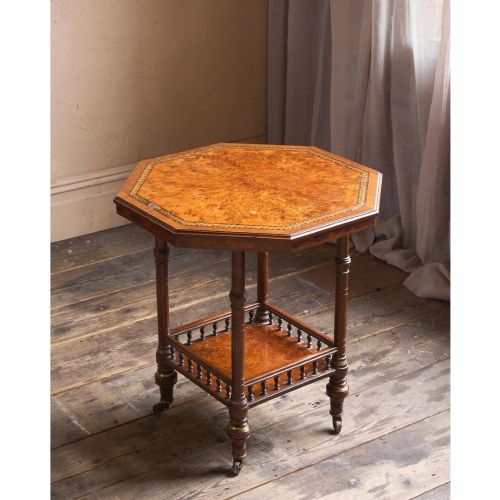
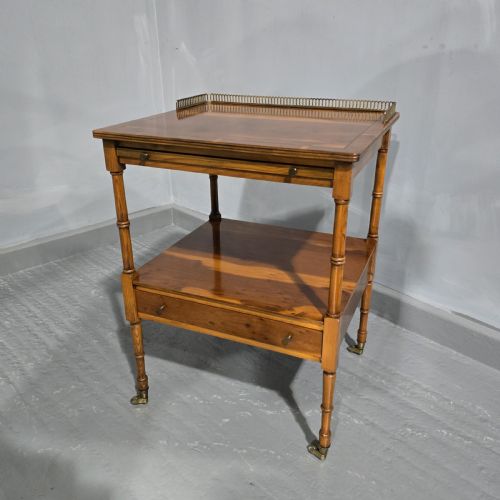
A gallery tier lamp table functions primarily as an occasional or side piece designed to hold lamps while offering additional shelving via multiple tiers. These tables frequently incorporate a raised border, known as a gallery, to secure objects placed upon the surface.
The selections span several distinct periods including the Georgian, Regency, Victorian, and Edwardian eras, alongside early twentieth-century interpretations. Common forms include side tables, occasional tables, and etageres alongside multi-tiered variants.
Makers utilised diverse construction approaches, yielding rectangular, circular, and multi-level configurations suited to drawing rooms and parlours. These items emerge in styles ranging from straightforward classical revivals to ornate aesthetic movement designs.
Materials and Construction Methods
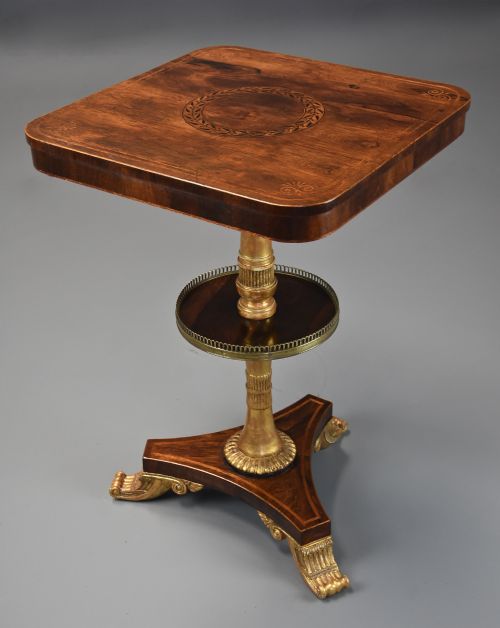
Cabinet makers constructed these tables using a variety of robust timbers, notably mahogany, rosewood, walnut, satinwood, and yew wood, sometimes enhanced with amboyna veneer or parcel gilt accents.
Surface decoration frequently involved marquetry inlay, parquetry, and painted details, particularly on satinwood and mahogany pieces from the nineteenth and early twentieth centuries. Structural elements occasionally integrated brass fittings and gilt brass components to support tiered etagere designs.
Some tables include tiny raised railings specifically designed to stop stray teacups from escaping during lively Victorian parlour debates.
Factors of Quality
The distinction between tiers rests upon the selection of timbers and the precision of veneer work, such as amboyna or figured mahogany. Superior examples display meticulous attention to inlay patterns and the integration of delicate gallery railings.
Structural integrity of the tiered supports and the finesse of turned or parcel-gilt legs dictate the overall calibre of each piece. Tables bearing maker labels or attributed workshop styles often reflect elevated levels of craftsmanship.
Gillows·George Bullock·Haentgos Freres Paris
The Gallery Tier Lamp Table Glossary
- Gallery
- A raised miniature railing or border fitted around the edge of a table top to prevent items from sliding off. This feature appears frequently on tiered lamp tables and etageres.
- Etagere
- A piece of furniture consisting of a set of open shelves or tiers for displaying small objects. These structures emerged prominently during the nineteenth century.
- Marquetry
- Decorative veneer applied to furniture in geometrical patterns or pictorial designs using various coloured woods. It requires considerable skill from the artisan.
- Parquetry
- A geometric mosaic of wood pieces used for decorative floors and table surfaces. This technique creates repeating patterns such as cubes or squares.
- Parcel Gilt
- A term describing an object that is partially gilded with gold leaf or gold paint. This technique highlights specific architectural details or carved mouldings.
Gallery Tier Lamp Table: Frequently Asked Questions
What is a gallery tier lamp table?
A gallery tier lamp table is a multi-level surface featuring a raised border designed to hold lighting and decorative objects securely. These furnishings combine practical tiers with ornamental woodwork.
They appear in various timber selections such as mahogany, rosewood, and satinwood across multiple historical periods.
How were these tables used originally?
These tables served primarily in sitting rooms and parlours to support heavy oil lamps or early electric lighting. The extra tiers provided convenient storage for books, tea accessories, or small ornaments.
Their movable nature allowed them to be positioned beside seating areas as needed throughout the home.
Where should I place a lamp table?
A lamp table fits naturally beside sofas, armchairs, or in reading corners where additional surface space is required. The raised gallery helps keep items secure in high-traffic areas.
Their compact footprints make them versatile additions to both traditional and contemporary interiors.
How do I identify the period?
Period identification relies upon examining the underlying timber, construction techniques, and stylistic markers such as Regency curves or Edwardian inlay. Cabinet-making standards shifted from heavier architectural proportions in the nineteenth century to lighter forms later on.
Specific design revivals, including Louis XVI and Sheraton influences, provide additional chronological clues.