


Frosted Glass Globe
These frosted glass globe fixtures bring soft, diffused illumination to any interior, spanning styles from Victorian oil lamps to sleek Art Deco pendants.
Frosted Glass Globe
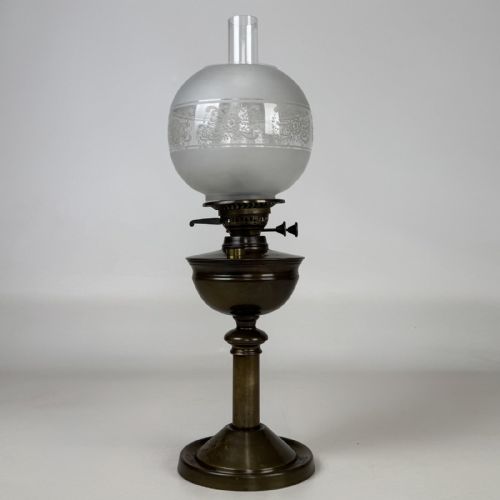
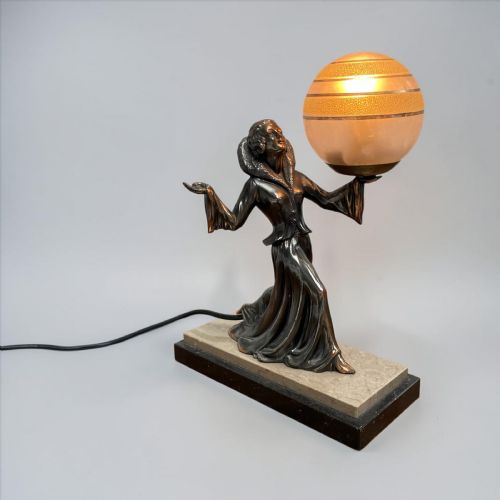
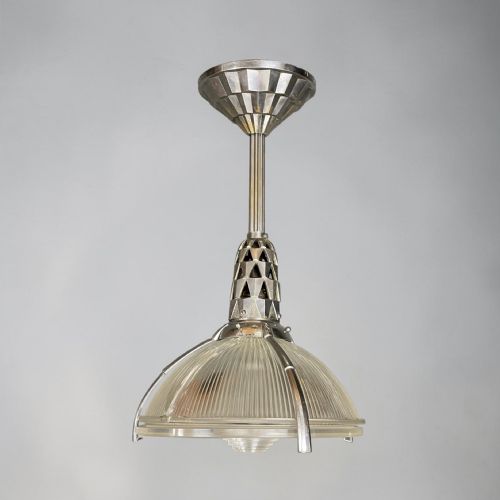
When searching for a frosted glass globe, collectors encounter lighting fixtures and lamps spanning the Victorian era through to the 1930s. The selection ranges from hanging ceiling pendants and domes to figural table lamps and converted oil lamps.
The most frequent examples on this page date from the 1920s and 1930s, reflecting the geometric and streamlined aesthetics of Art Deco design. These pieces often pair the distinctive glass globes with bronze, chrome, or patinated metal mounts.
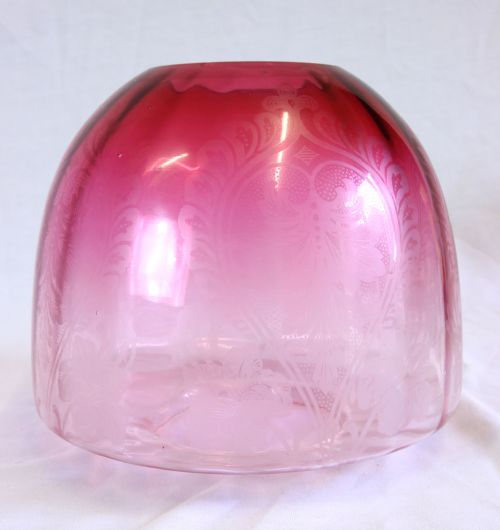
Earlier iterations from the Victorian and Edwardian periods appear as oil lamp shades and lantern forms. These items utilise coloured or etched glass alongside brass and ceramic components to achieve their period character.
How they were made
The construction of these pieces relies heavily on glass manipulation combined with metalwork. Artisans used techniques such as acid etching and sandblasting to achieve the characteristic opaque, frosted finish on the glass globes.
Mounts and bases incorporate a variety of materials including cast brass, chrome, patinated metal, and marble. Bronze and spelter feature in figural table lamps, supporting the glass elements securely.
Materials recorded across the selection include brass, bronze, marble, chrome, and frosted glass.
What varies in quality
Quality differences emerge in the weight and purity of the glass used for the globe, alongside the crispness of any etched or moulded patterns. Thicker, heavier glass and refined surface textures distinguish superior examples from simpler utilitarian items.
The craftsmanship of the supporting metalwork dictates the overall standard of the piece. Finely chased bronze, solid brass stands, and well-executed figural castings elevate the status of the lamp or pendant far above standard commercial production.
Émile-Jacques Ruhlmann·Messengers·Harrods
The Frosted Glass Globe Glossary
- Frosted glass
- Glass treated to scatter light and reduce transparency, creating a soft matte surface. This finish is achieved through acid etching or sandblasting.
- Spelter
- An alloy of zinc used as a cost-effective alternative to bronze for decorative figures and lamp bases. It is frequently painted or patinated to imitate bronze.
- Pendant light
- A hanging lighting fixture suspended from the ceiling by a cord, chain, or metal rod. These often feature large glass globes or domes.
- Patinated metal
- Metal treated with chemicals or heat to produce a coloured surface layer. This process enhances the visual depth of bronze and brass fixtures.
Frosted Glass Globe: Frequently Asked Questions
How do I clean a frosted glass globe?
Wash the glass gently using warm water and a mild soap solution. Avoid abrasive scourers that might damage the frosted surface.
Dry the globe thoroughly with a soft cloth before reinstalling it onto the lamp or ceiling fixture.
Are these lamps still wired for modern use?
Many antique and vintage lamps have been rewired for contemporary electrical standards. It remains sensible to have a qualified electrician inspect older wiring before use.
Converted oil lamps often retain their original burners adapted to house modern bulb fittings.
How do I distinguish Art Deco from Victorian globes?
Art Deco pieces typically feature geometric lines, stylised figures, and chrome or mottled opaline glass. They date predominantly from the 1920s and 1930s.
Victorian items lean towards floral motifs, cranberry or green glass, and heavy brass or ceramic bases dating from the nineteenth century.
Can I hang a ceiling globe from a standard ceiling?
Most hanging pendants require secure anchorage to a ceiling joist due to the weight of the glass and metal components. Professional installation ensures the fixture supports the load safely.
Check the drop length and ceiling clearance before purchasing a pendant light.