



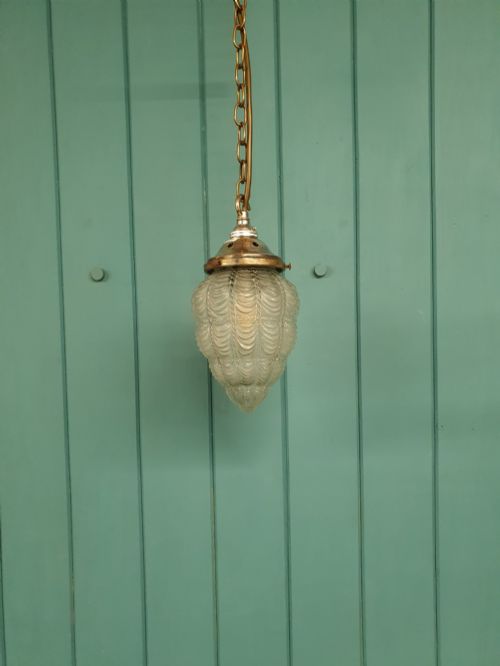
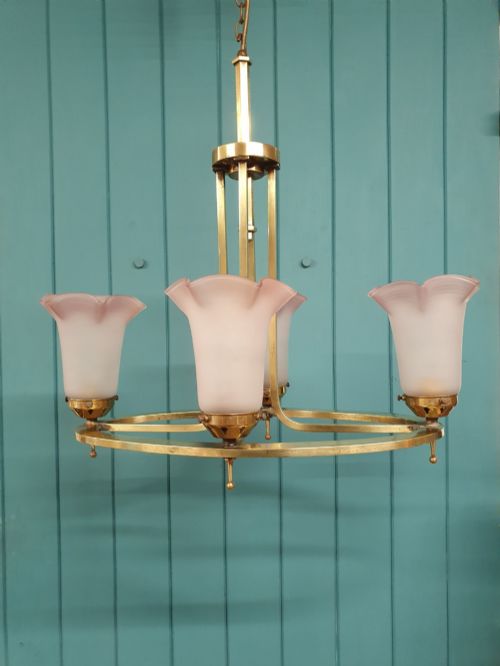


Frosted Glass Fixture
A frosted glass fixture diffuses harsh illumination into a soft, atmospheric glow that flatters any room.
Frosted Glass Fixture
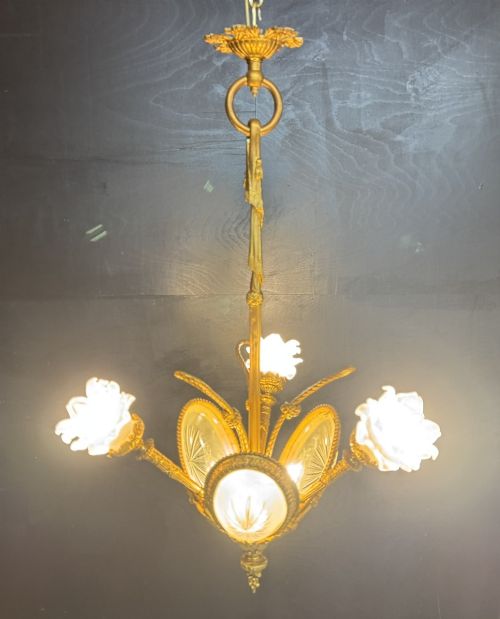
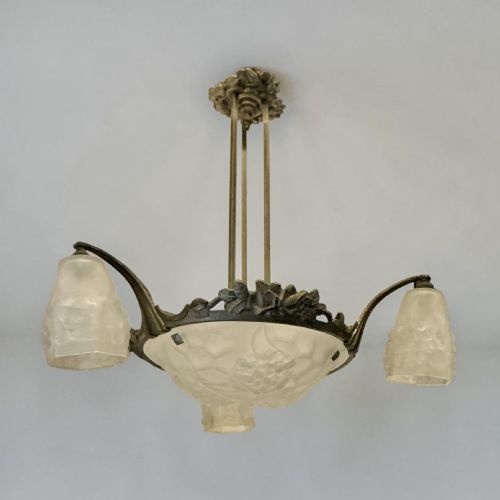
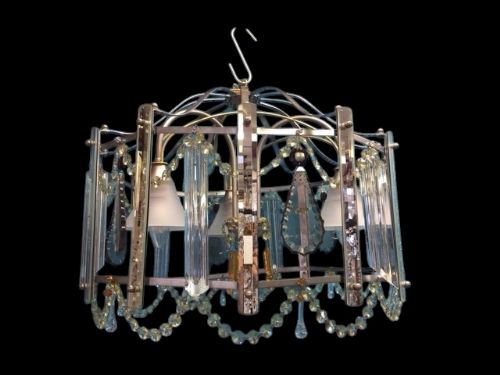
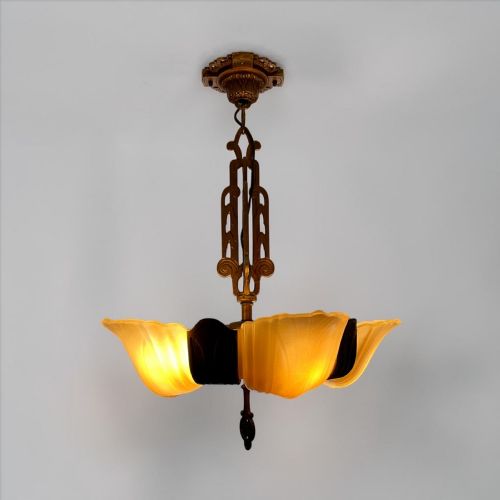
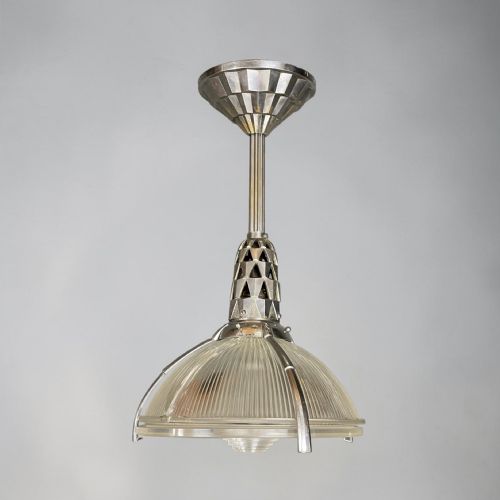
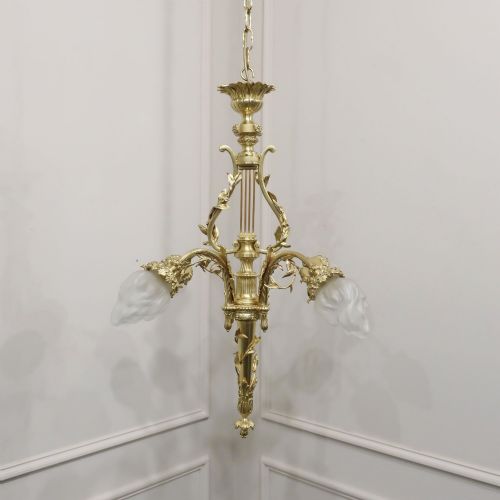
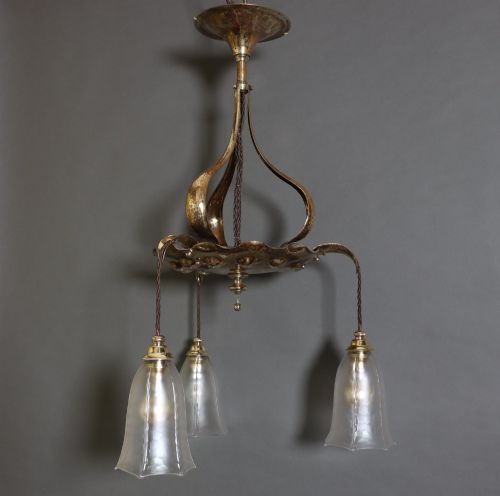
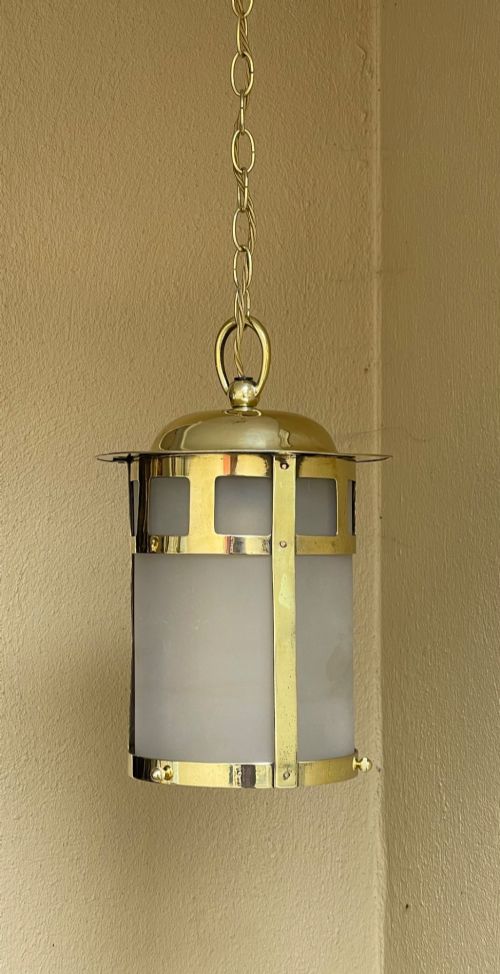
When you search for a frosted glass fixture, you encounter a wide array of lighting forms ranging from wall sconces and pendant lights to grand chandeliers spanning multiple periods. The most prevalent examples on this page date from the Art Deco era of the 1920s and 1930s, alongside Victorian and Edwardian iterations.
These pieces encompass ceiling lights, hall lanterns, and table lamps designed to transform the character of interior spaces. Makers employed styles stretching from Arts and Crafts and Art Nouveau to French Empire and Gothic Revival, adapting the diffusing quality of frosted glass to diverse aesthetic movements.
How they were made
The primary materials combine frosted, pressed, or satin glass with supportive frameworks of brass, bronze, chrome, copper, and wrought iron. Artisans shaped the glass surfaces through acid etching, sandblasting, or pressing to achieve the characteristic opaque texture that softens the bulb underneath.
Metal components were cast, beaten, or forged to create the structural cages, suspension chains, and wall brackets that hold the heavy glass shades. Metal finishes range from polished brass and gilt bronze to patinated copper and chrome, reflecting the prevailing taste of each manufacturing decade.
Frosted Glass Fixture Retail Price Guide 2026
Typical asking prices for frosted glass fixture among the pieces listed under this phrase on Sellingantiques today, from the lower quarter to the upper quarter. They describe what is for sale here now, not the wider market.
Listings span periods from the 1880s through the Art Deco height of the 1930s, incorporating brass, bronze, chrome, and crystal.
What varies in quality
Quality reveals itself in the depth and uniformity of the glass frosting, as well as the thickness and weight of the glass shades. Superior examples display crisp moulding or delicate etching that remains sharp even across large pendant bowls and slip shades.
The standard of metalwork dictates the overall calibre of the fixture, visible in the weight of the bronze or brass frames and the integrity of the joins. Better pieces integrate decorative details such as cherub arms or finely chased mounts that demonstrate deliberate artistic intent rather than mass production.
Degué·Émile-Jacques Ruhlmann·F and C Osler·Lalique
The Frosted Glass Fixture Glossary
- Slip shade
- A moulded glass insert that fits directly into a metal frame to form a ceiling light or sconce. These panels often feature geometric Art Deco motifs.
- Satin glass
- Glass treated to have a dull, soft surface texture resembling satin fabric. It provides an even diffusion of light without glare.
- Hall lantern
- An enclosed hanging light traditionally positioned in entrance hallways. They utilise glass panels held within a brass, copper, or iron frame.
- Gilt bronze
- Bronze coated with a thin layer of gold or gold paint. This technique imparts a rich, warm metallic lustre frequently seen in French lighting.
- Colza hanging light
- An early form of suspension lamp designed to burn colza oil. These fixtures predate widespread domestic electricity.
Frosted Glass Fixture: Frequently Asked Questions
How do I clean frosted glass?
Wash the glass gently using warm water and a mild detergent, avoiding harsh abrasives that might damage the textured surface. Dry thoroughly with a lint-free cloth before reassembling.
Take care with antique metal frames surrounding the glass, as commercial cleaning fluids can strip original patination or damage delicate brass and bronze surfaces.
Are these lights wired for modern use?
Many vintage and antique fixtures retain older wiring systems that require updating to comply with current safety standards. A qualified electrician can easily rewire most ceiling lights and wall sconces.
Retaining the original sockets and mounting hardware is often possible while upgrading the internal wiring to ensure safe daily operation in your home.
What rooms suit a pendant light?
Pendant lights work effectively in spaces with adequate ceiling height, such as central hallways, dining areas, or above kitchen islands. Their downward illumination provides focused functional light.
Selecting a piece with frosted glass ensures the downward beam remains softened and glare-free, creating an inviting atmosphere in living spaces.
How do I date a glass fixture?
Examine the stylistic markers, such as geometric stepped motifs characteristic of the Art Deco period or ornate scrolling typical of Victorian and Edwardian designs. The manufacturing methods of the metal frame also offer clear chronological clues.
Heavier cast brass and bronze generally point towards nineteenth-century or early twentieth-century origins, whereas chrome and tubular steel frequently indicate later Art Deco production.