



Frosted Etched Glass Shade
A frosted etched glass shade filters light softly through textured patterns, bringing character to period lighting.
Frosted Etched Glass Shade
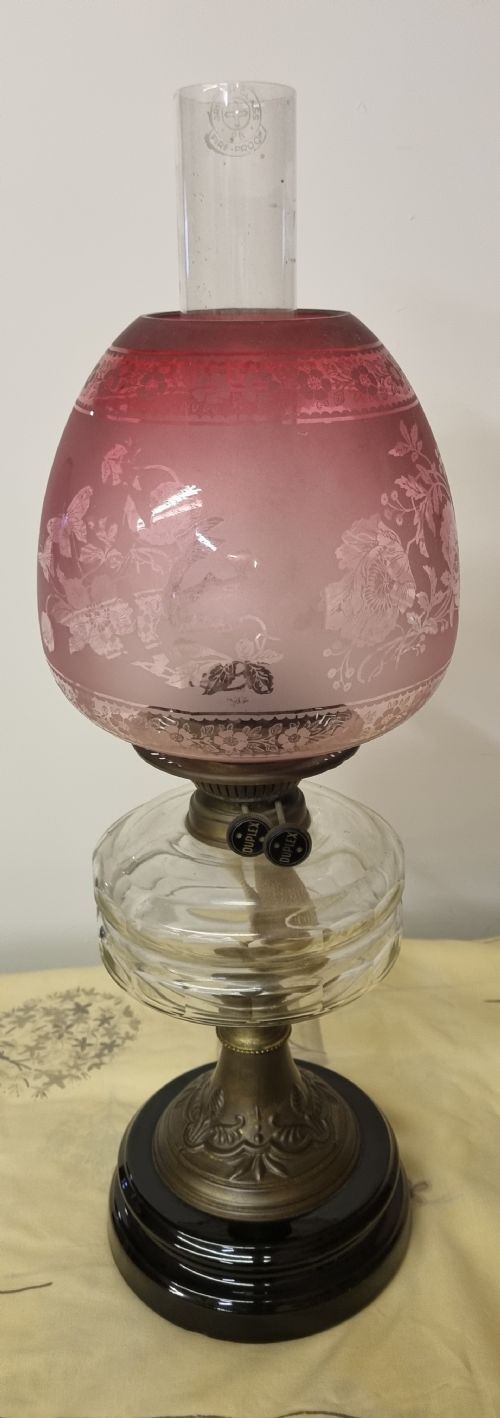
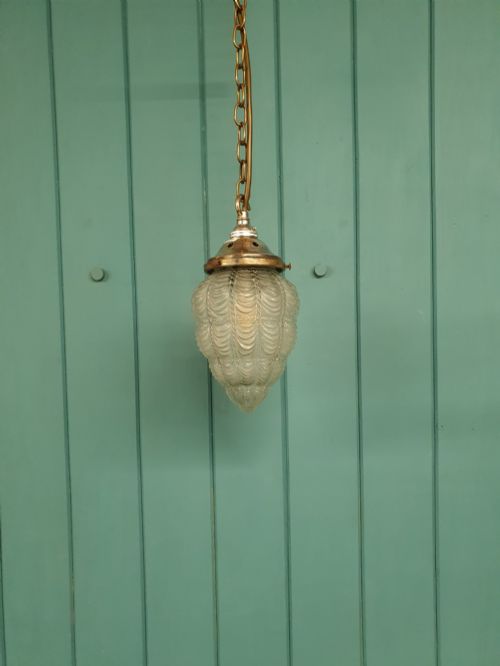
When you search for a frosted etched glass shade, you encounter functional light fixtures and replacement globes from the Victorian, Edwardian, and Art Deco periods. These pieces include oil lamp globes, pendant lights, and wall light fittings designed to diffuse harsh glare.
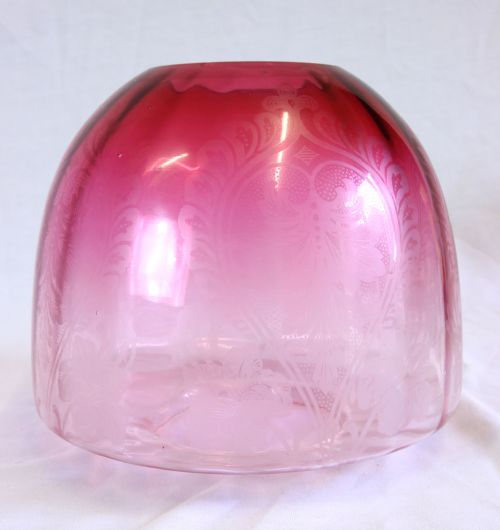
The selections span standard Victorian oil lamp shades in green or pale cranberry glass alongside later Edwardian and 1930s variations. They appear mounted on brass or bronze bases or suspended as ceiling pendants.
How they were made
Makers produced these shades using blown glass treated with acid or sandblasting to create the signature matte frosted finish. Craftsmen then used wheel-cutting or chemical etching techniques to carve floral, geometric, or foliate designs into the surface.
Mountings and associated fittings typically combine cast brass, copper, or silver-plated metal, matching the weight and thermal requirements of the period glass.
Listings feature brass, bronze, and copper paired with cranberry, green, and crystal glass across Victorian and Art Deco eras.
What varies in quality
The depth and clarity of the etched motifs separate ordinary production items from finer studio work. Crisp, undercut details in the glass demonstrate superior craftsmanship compared to shallow, mechanically pressed patterns.
The substance of the supporting metalwork also indicates standard; heavy cast brass and substantial crystal or cameo glass denote better manufacture than thin, lightweight alternatives.
The Frosted Etched Glass Shade Glossary
- Etched glass
- Glass decorated by applying acid to eat away exposed portions of the surface. This method creates permanent decorative patterns.
- Frosted glass
- Glass treated to achieve a cloudy, non-transparent finish that scatters light evenly. It softens illumination in domestic interiors.
- Font
- The oil reservoir of a lamp, often made of coloured or cut glass. It sits atop the metal base beneath the burner and shade.
- Cameo glass
- Glass formed with multiple layers of different colours carved away to create a raised design. Gallé utilised this technique extensively.
Frosted Etched Glass Shade: Frequently Asked Questions
How do I clean an etched shade?
Wash the glass gently in warm soapy water using a soft cloth, avoiding harsh scouring pads that might scratch the matte surface.
Dry the shade thoroughly with a lint-free towel before reinstalling it on the brass or bronze fitting.
Will these shades fit modern lamps?
Many period shades possess standard fitter rim diameters that sit securely inside traditional brass galleries. You should measure the opening of your existing holder to match the base rim of the replacement shade.
Some antique fixtures require specific adapter rings to accommodate contemporary bulb holders safely.
Are these shades original to the lamps?
Lamps and shades were frequently separated or replaced over decades of domestic use. Finding matching period components depends on the scale, collar size, and decorative style.
Inspect the collar edges for minor chipping where the glass meets the metal gallery during assembly.
How do I date an etched glass shade?
Stylistic motifs provide primary clues, with naturalistic florals appearing in Victorian and Art Nouveau examples, and geometric lines dominating 1930s pieces.
The weight of the glass and manufacturing technique also help distinguish nineteenth-century work from later reproductions.