

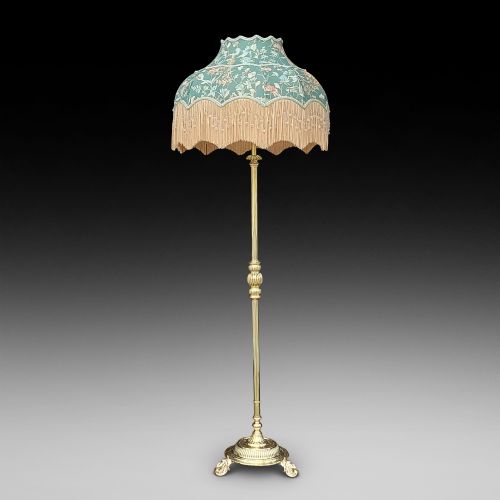
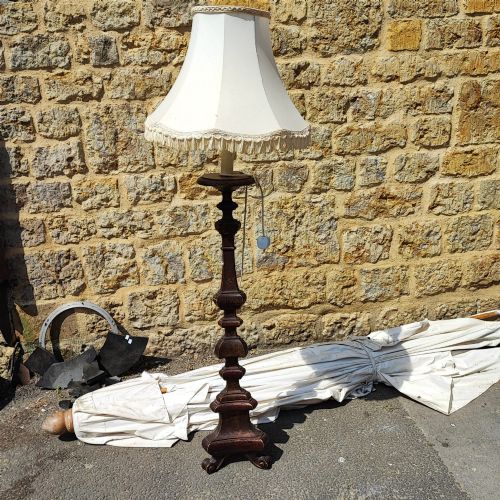
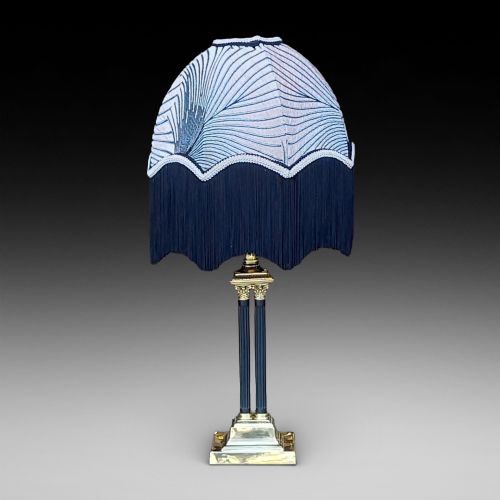
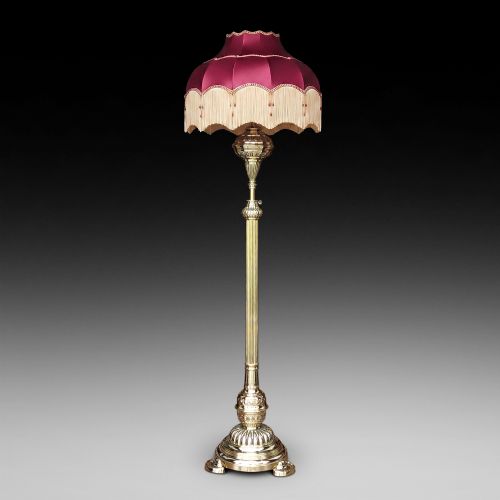




Fringed Lampshade
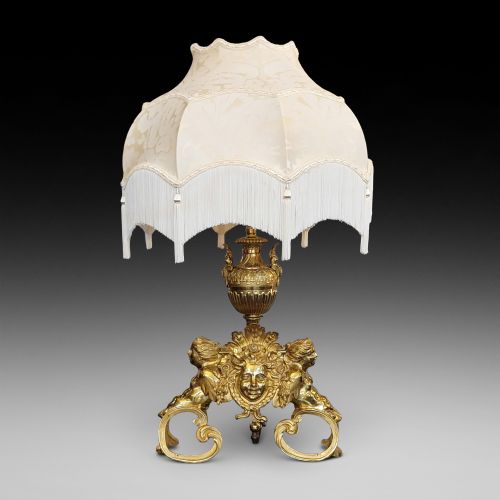
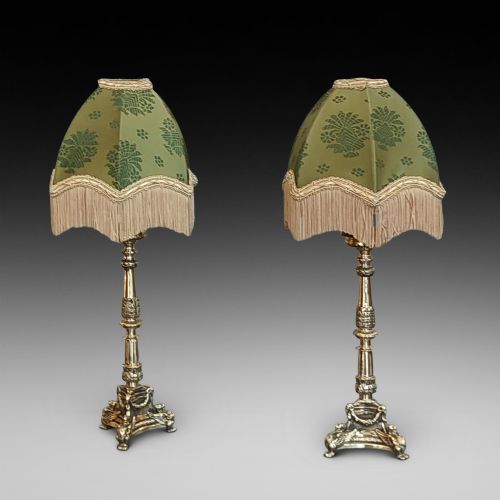
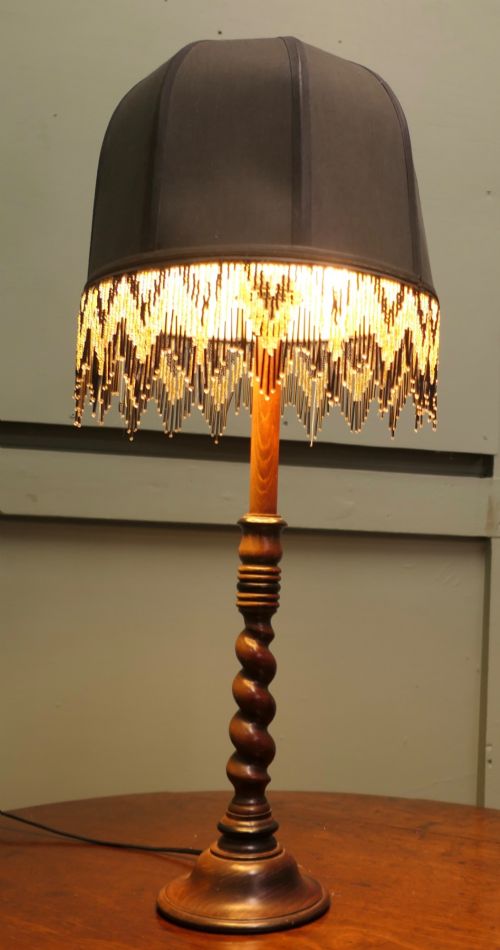
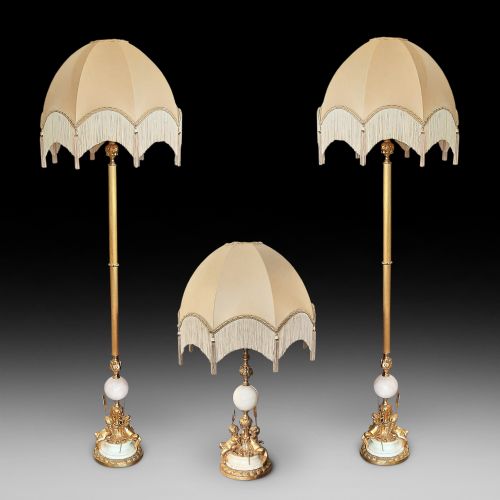
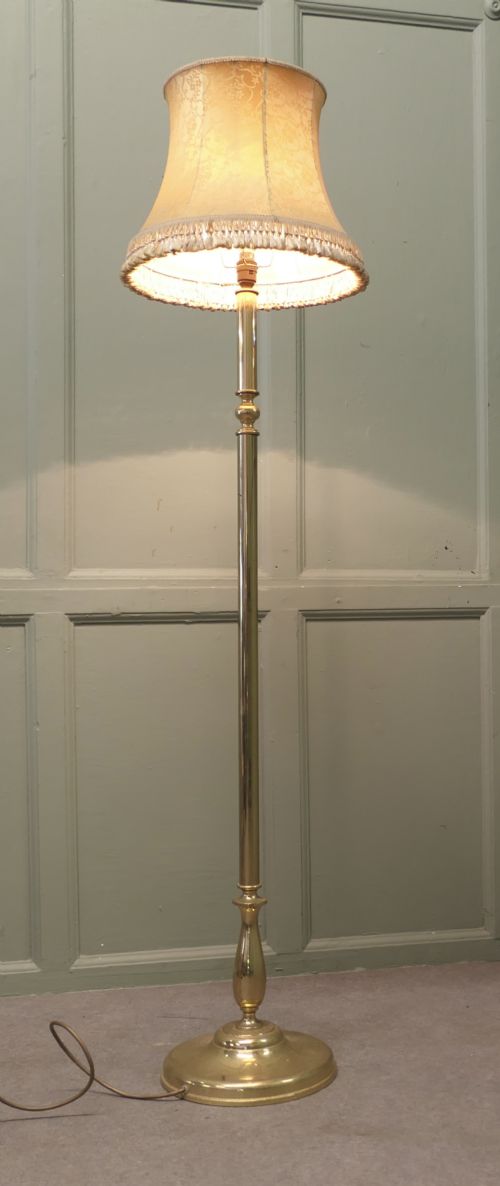
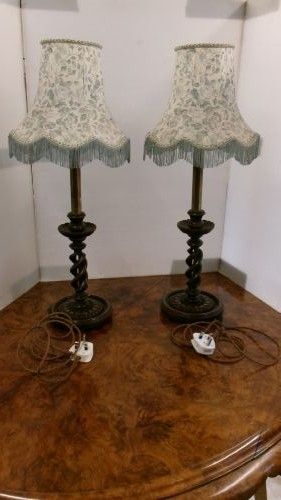
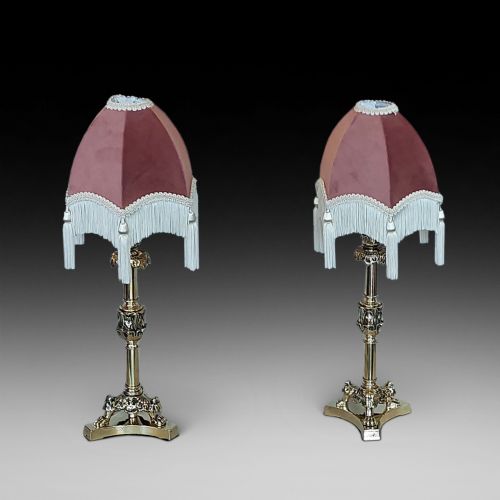
A fringed lampshade tops an antique base to diffuse light with period texture, bringing character and soft illumination to a room.
Fringed Lampshade
A fringed lampshade tops lighting fixtures that span from the Victorian and Edwardian eras into the early twentieth century. You will encounter these shades paired with standard lamps, table lamps, and converted oil lamps.
The designs draw on styles ranging from Art Nouveau and Arts and Crafts to Gothic Revival and French Chateau. Each combination of base and shade reflects the decorative priorities of its original decade.
How they were made
The construction relies on traditional materials including fabric, silk, thread, and glass beads to form the shade itself. These soft elements complement structured bases built from brass, copper, gilt metal, ceramic, and wood.
Maker techniques involve beaten copper work, pressed brass shaping, and detailed carving applied to mahogany and rootwood. Many surviving examples integrate older candlesticks or oil lamps adapted for electrical wiring.
Fringed Lampshade Retail Price Guide 2026
Typical asking prices for fringed lampshade among the pieces listed under this phrase on Sellingantiques today, from the lower quarter to the upper quarter. They describe what is for sale here now, not the wider market.
Listings feature materials including silk, glass beads, brass, and carved wood across Victorian and early twentieth-century forms.
What varies in quality
The distinction lies in the integrity of the materials and the refinement of the decorative detail. Heavy cast brass, substantial timber, and hand-beaten copper represent superior manufacture compared to lighter pressed alternatives.
Execution of style sets examples apart, seen in crisp Corinthian capitals, finely turned wooden standards, and complex textile arrangements on the shade. The harmony between the base and its shade governs the overall visual impact.
The Fringed Lampshade Glossary
- Standard lamp
- A tall floor-standing lighting fixture designed to illuminate a room from a corner or beside furniture. These frequently feature adjustable stems or heavy weighted bases.
- Corinthian column
- A classical architectural column form utilised for lamp standards and candlesticks, characterised by ornate leaf-carved capitals. This design appears frequently in Victorian brass lighting.
- Gothic Revival
- A nineteenth-century design style drawing inspiration from medieval architecture and ecclesiastical metalwork. Pieces in this manner often display heavy brass construction and architectural motifs.
- Boudoir lamp
- A smaller scale reading lamp intended for intimate spaces such as dressing rooms or bedside tables. They typically offer softer, directional illumination.
Fringed Lampshade: Frequently Asked Questions
What periods do these lamps come from?
The pieces span from the nineteenth century through the Edwardian era and into nineteen-twenty. Victorian and early twentieth-century examples dominate the selection.
Design characteristics shift across these decades, moving from ornate classical columns toward Arts and Crafts simplicity and Art Nouveau curves.
Were these always electric lamps?
Many examples began life as oil lamps, candlesticks, or torchere vases before later conversion to electricity. This adaptation allows historic metalwork and woodwork to function in modern interiors.
Original oil lamp mechanisms and standard fittings remain visible on several surviving standard and table lamps.
How do I identify an Arts and Crafts lamp?
Arts and Crafts pieces emphasise visible handcrafting, particularly through beaten copper or unadorned timber surfaces. These designs reject mass-produced ornamentation in favour of honest construction.
They often appear alongside simpler forms and functional adjustments suited to reading.